Residents can access metal recycling services Box Elder County to sell valuable scrap like copper, aluminum, and brass by separating materials into ferrous and non-ferrous categories. Local centers also provide specialized processing for e-waste and tires; this helps maximize payouts while ensuring environmentally responsible disposal of industrial and household metals.
Cluttered yards and overflowing job sites in Box Elder County represent more than just a logistical headache; they often hide significant untapped value. Whether you are a homeowner clearing out a garage or a contractor managing a demolition site, determining what to do with accumulated scrap metal can feel overwhelming. At Jolley Recycling, we understand that your time and space are valuable. Proper metal recovery is essential for both your bottom line and our local environment. In this guide, we provide a professional overview of how to navigate the recycling process. You will learn how to distinguish between ferrous and non ferrous materials using simple tests, understand the current market factors influencing local scrap prices, and ensure your disposal practices remain fully compliant with Utah state laws. Let us help you turn your surplus metal into a streamlined asset for your business or household.
Why Metal Recycling Matters for Box Elder County Homes and Businesses
Box Elder County possesses a unique landscape where vast agricultural lands meet growing residential communities in Brigham City and Tremonton. This mix creates specific demands for metal recycling services Box Elder County that differ from the industrial hubs of Salt Lake City or Ogden. For homeowners and business owners, metal recovery offers two distinct advantages; it provides significant environmental reduction and immediate economic return. Instead of paying disposal fees at a landfill, you can transform scrap into revenue while ensuring that finite resources like copper and aluminum remain in the manufacturing cycle.
At Jolley Recycling, we focus on supporting a local circular economy. Much of the waste generated here, from old irrigation pipes on a farm to steel offcuts at a new construction site, is fully recoverable. When these materials are diverted from the Box Elder County Landfill, they are processed and returned to the supply chain as raw materials for new products. This process reduces the need for invasive mining and lowers the carbon footprint of production. By providing reliable recycling services tailored to the specific needs of our county, we help residents and contractors manage their waste streams more efficiently. If you have questions about a specific cleanup project, you can contact our team to discuss the best recovery options for your materials.
The Magnet Test: Understanding Ferrous vs Non Ferrous Metals
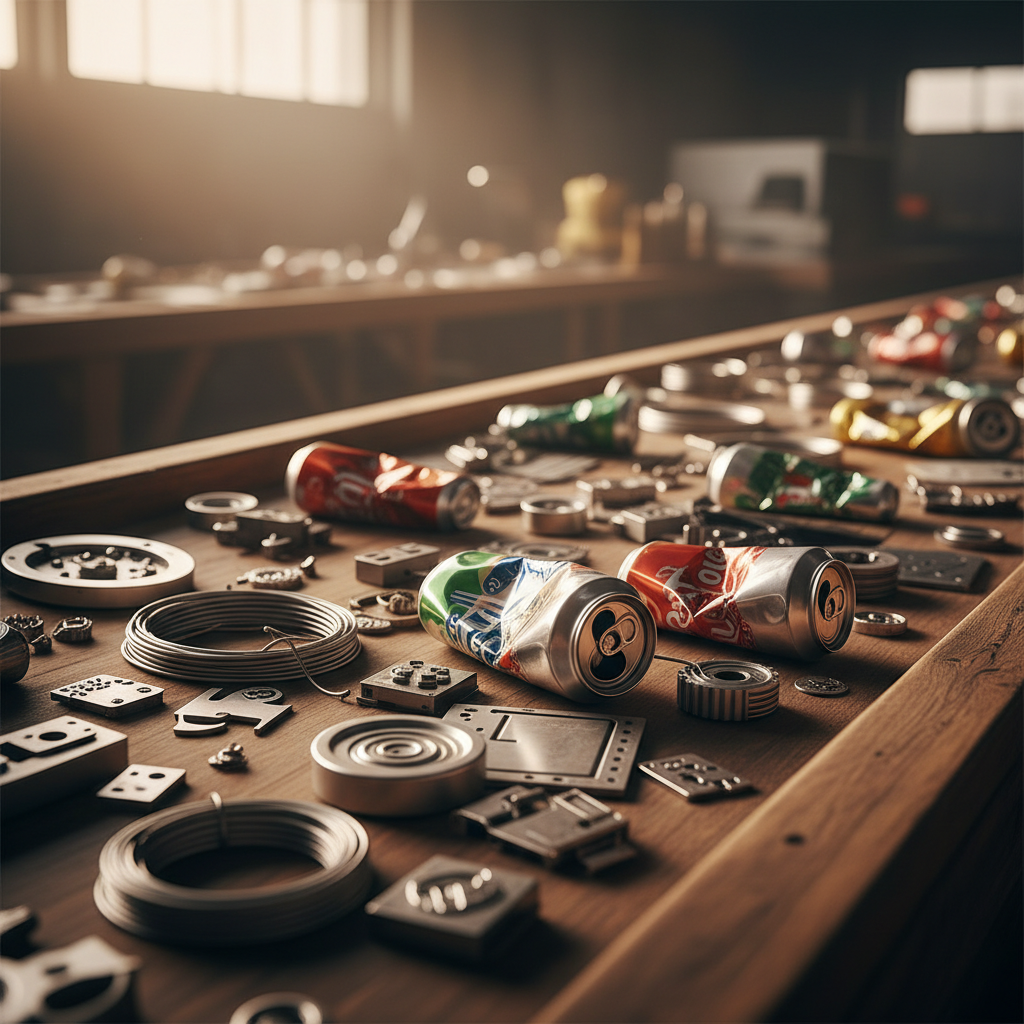
Understanding how to sort materials is the first step toward maximizing the value of your haul. The most effective tool for this task is not a complex sensor; it is a simple handheld magnet. This tool allows you to instantly categorize your scrap into two primary groups: ferrous and non-ferrous.
If the magnet sticks to the metal, you have a ferrous material. These metals contain iron and are the most common materials found in Box Elder County, particularly in the form of heavy equipment, farm machinery, and structural steel. If the magnet does not stick, the metal is non-ferrous. These materials, including copper, aluminum, and brass, are highly sought after because they do not degrade during the recycling process and are naturally resistant to corrosion.
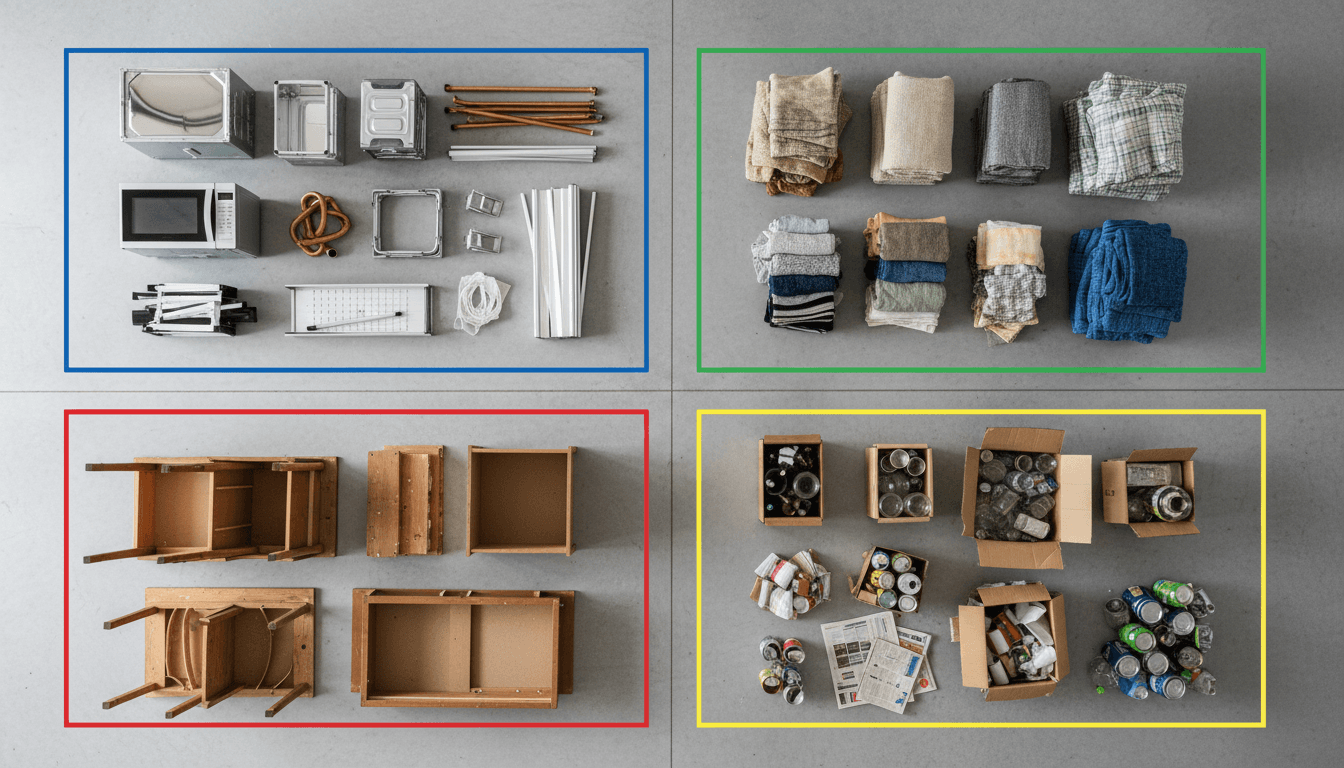
The primary difference between these categories is their market value. Non-ferrous metals are generally worth significantly more per pound than ferrous ones. By using the magnet test to separate these materials at your job site or home, you ensure that high-value items are not lost in a pile of cheaper steel. This organization is a key part of utilizing the metal recycling services Box Elder County residents rely on for efficient material recovery.
Metal Type | Magnet Reaction | Common Examples |
|---|---|---|
Ferrous | Sticks | Steel rebar, cast iron pipes, tin roofing, old mower decks |
Non-Ferrous | Does Not Stick | Copper tubing, aluminum gutters, brass plumbing fixtures, lead |
While stainless steel is a common exception that can sometimes show a weak magnetic pull depending on its grade, the magnet test remains the gold standard for quick field sorting. If you find yourself with a large volume of mixed materials, you can contact our team to discuss the best way to prepare your load for our reliable recycling services.
Common Household Scrap Metal: What Homeowners Can Recycle
Identifying common household items is the next step for residents cleaning out a garage or finishing a basement remodel. Aluminum beverage cans are the most recognizable recyclable; however, significant value often hides in renovation debris. Old copper piping from a DIY plumbing repair or brass faucets replaced during a bathroom update are highly valuable non-ferrous materials. Stainless steel kitchen sinks, while bulky, are durable and excellent candidates for material recovery.
Homeowners often ask what belongs in a standard curbside bin versus what requires professional assistance. Curbside programs in Box Elder County are generally designed for light packaging like soda cans and rinsed food tins. These systems cannot process heavy fixtures, long pipes, or sharp building materials that could damage automated sorting equipment. For these larger or high-value items, using professional reliable recycling services ensures the metal is weighed accurately and handled safely.
If you are starting a large-scale home cleanout or a one-time material recovery project, you can contact our team to determine if your haul requires a specialized drop-off rather than the standard bin. Utilizing the metal recycling services Box Elder County residents trust for their construction and renovation waste helps keep high-value materials out of the general waste stream while providing a practical solution for bulky scrap.
Construction and Demolition Metal Recycling for Local Contractors
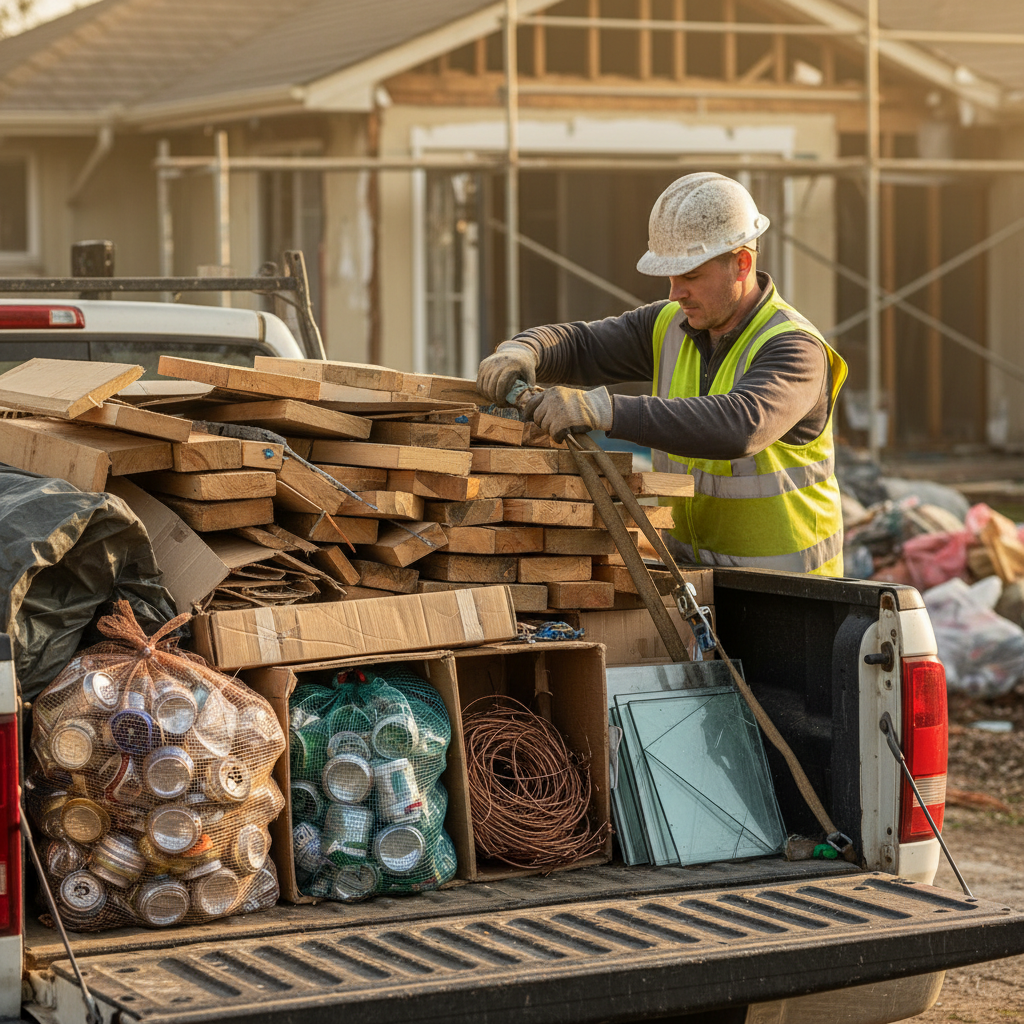
Contractors operating in Brigham City, Tremonton, or Perry often face high disposal fees for mixed waste. Implementing a recovery plan for construction and demolition debris turns these costs into a revenue stream. Job sites are rich in high-value non-ferrous materials that are frequently overlooked. Insulated copper wire is a prime example. While we accept wire with the coating, taking the time to strip the insulation significantly increases the payout. Recyclers pay more for bare bright copper because it removes the labor and weight discrepancy associated with the plastic casing.
Aluminum siding and steel rebar are also common in local residential builds. While rebar is a ferrous metal and fetches a lower price per ton, its weight adds up quickly on large foundations. HVAC contractors should prioritize salvaging copper coils and aluminum fins from old units. These components are among the most valuable items found in renovation projects.
Organized sorting on-site is the most effective way to maximize returns from reliable recycling services. If copper, aluminum, and steel are tossed into a single bin, the entire load may be valued at the price of the least valuable metal. By maintaining separate piles or containers for different grades, contractors ensure they receive the full market rate for each material. This practice also reduces the volume sent to municipal landfills, lowering overall tipping fees. For large-scale demolition or new builds, contact our team to coordinate efficient pickup or drop-off schedules that keep your job site clear and profitable. Utilizing the metal recycling services Box Elder County professionals rely on streamlines your waste management while padding your bottom line.
Industrial and Agricultural Scrap: Managing Large Scale Material Recovery
Box Elder County is defined by its agricultural heritage and industrial footprint. This scale of operation generates scrap metal that far exceeds the capacity of a standard residential bin or even a small construction dumpster. Large-scale material recovery often involves retired farm equipment like harvesters, plows, and tractors. These machines are massive sources of heavy melting steel and cast iron. Additionally, aluminum irrigation pipes are a staple of local agricultural scrap. Because these pipes are non-ferrous, they hold higher value; however, their length makes them difficult to transport without specialized equipment.
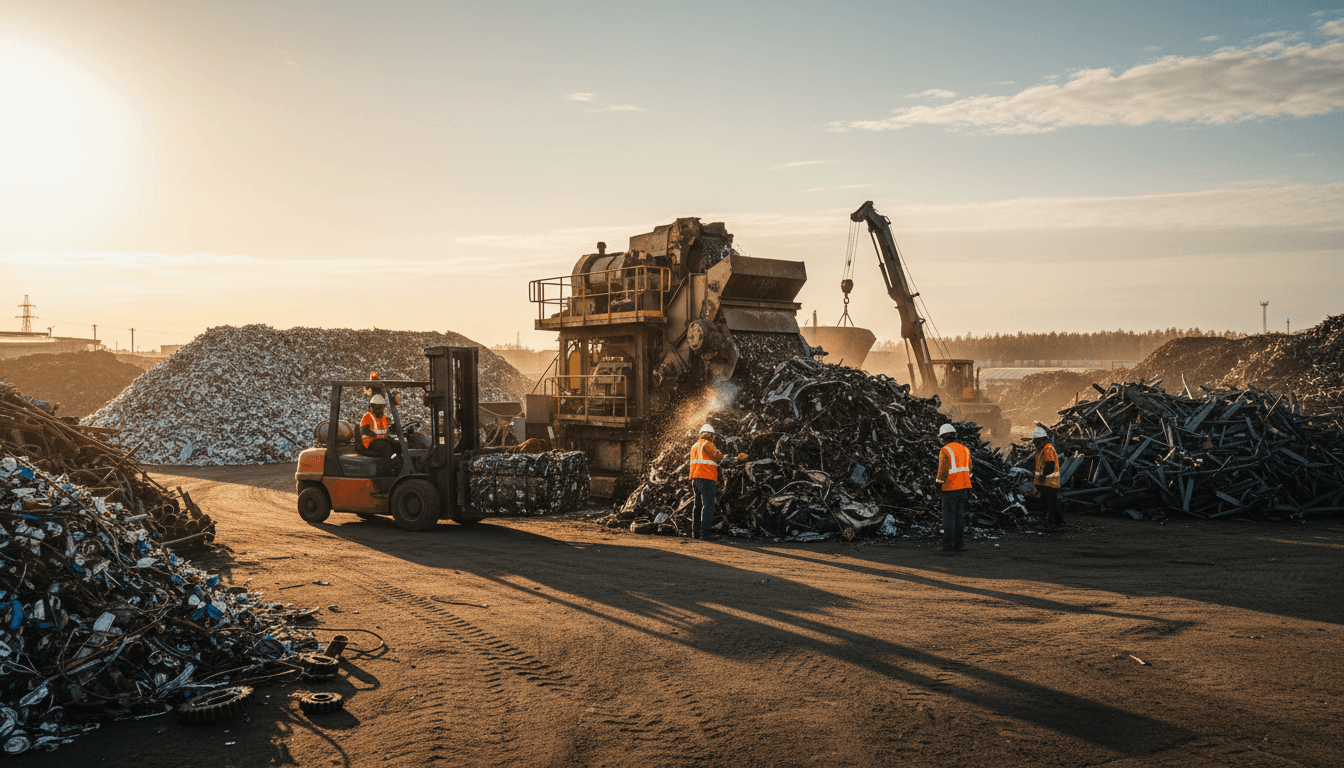
Industrial facilities in the region frequently accumulate bulkier waste such as heavy-duty shelving, pallet racking, and decommissioned machinery. Managing these items requires a hands-on approach. Jolley Recycling provides reliable recycling services designed for these one-time recovery projects. When a facility undergoes a cleanout or a farm updates its infrastructure, the volume of metal can be overwhelming. We coordinate solutions for materials that are too large or heavy for municipal waste systems, ensuring that even the most cumbersome industrial components are processed correctly. If you have a site filled with oversized scrap, you can contact our team to discuss how we can assist in the recovery and removal process. This specialized focus on the industrial sector is a core part of the metal recycling services Box Elder County businesses utilize to maintain clean, efficient operations.
What is Scrap Metal Worth? Factors Affecting Local Market Prices
Translating large-scale recovery into actual revenue requires an understanding of how scrap is valued at the scale. Pricing is not a fixed number; it fluctuates based on global supply and demand for raw materials. Locally, the specific condition of your material, often referred to as purity, plays a major role in the final payout. In the recycling industry, we distinguish between clean and dirty metal. Clean metal is free of attachments like plastic, rubber, insulation, or other alloys. For example, a copper pipe with brass fittings still attached is graded as dirty, fetching a lower price because it requires additional labor to separate.
When prioritizing what to collect, metals generally follow a value hierarchy. Copper typically sits at the top, followed by brass, then aluminum, and finally steel. While steel is common in agricultural and construction settings, its lower price per pound means significant weight is needed for a high payout. To get an accurate assessment of your materials, you can contact our team for current market context. Our professional sorting at the facility ensures each item is categorized correctly, preventing high-value non-ferrous items from being priced as mixed scrap. Utilizing the metal recycling services Box Elder County residents trust ensures that your materials are graded by experts using calibrated equipment. For ongoing reliable recycling services, knowing these value factors helps you prepare your loads for the highest possible return.
Understanding Utah Scrap Metal Theft Laws and Compliance
Professional valuation is only part of a legitimate transaction. In Utah, specific laws govern the scrap industry to deter theft and ensure transparency. When utilizing metal recycling services Box Elder County residents should expect a standardized intake process. Following the Utah Pawnshop and Secondhand Merchandise Transaction Information Act, we require all sellers to present a valid government-issued photo ID.
For high-value materials, such as large loads of copper or industrial machinery, we also record the make, model, and license plate number of the delivery vehicle. These steps are not just administrative; they are legal requirements designed to protect the local community and verify the ownership of recycled goods. By maintaining strict compliance with state regulations, Jolley Recycling provides reliable recycling services that homeowners and contractors can trust. If you are preparing a large haul and have questions about the necessary documentation for a smooth transaction, you can contact our team for guidance on current compliance standards.
Where Does Your Metal Go? The Local Processing Journey
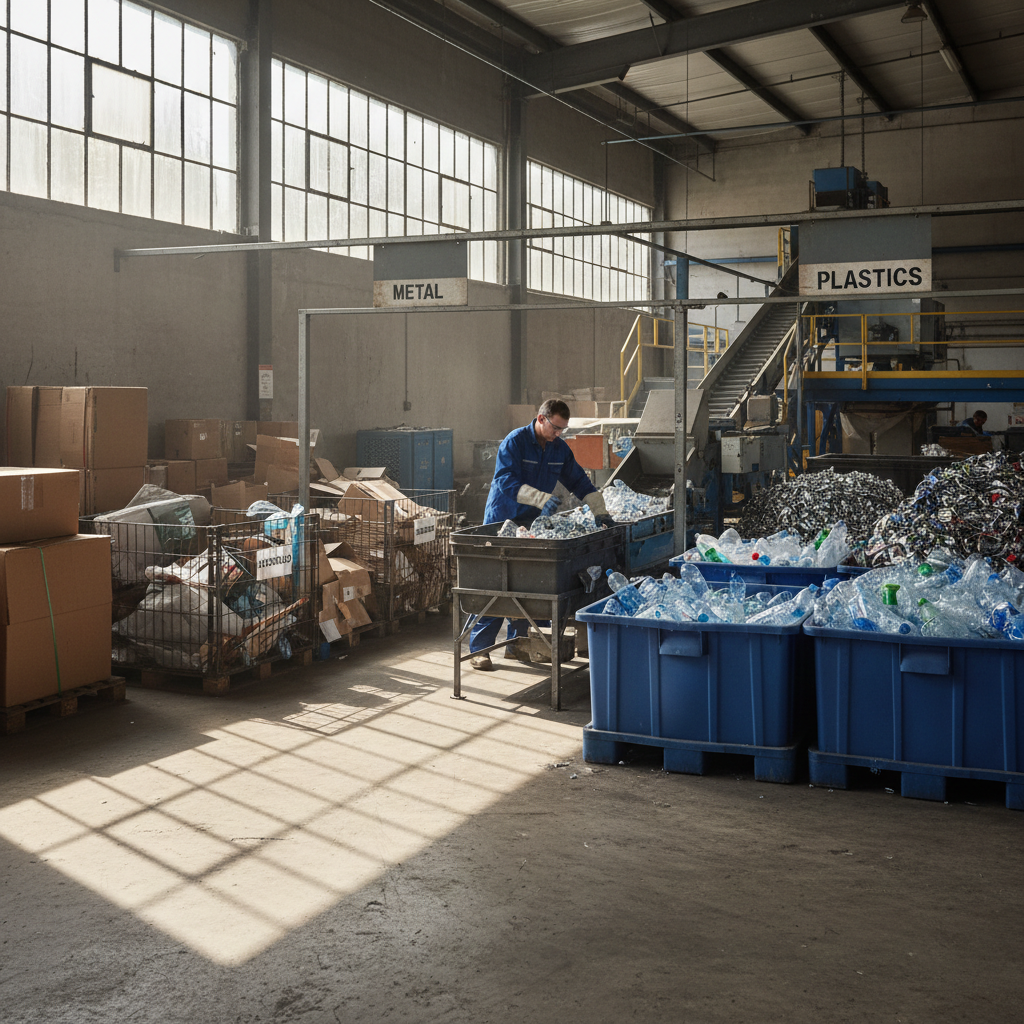
Compliance ensures a safe entry into our facility, but the real work begins once the metal is off the scale. At Jolley Recycling, we take a hands-on approach that differs from large national corporations. Every load is carefully sorted to separate ferrous and non-ferrous materials; we remove contaminants like plastic or wood to meet the strict purity standards required by mills.
Materials then undergo mechanical processing to prepare them for the furnace. Aluminum and copper are often baled into dense, manageable cubes, while heavier steel may be sheared or shredded. This preparation optimizes logistics for transport to foundries and refineries. Once melted down, these recycled metals regain their original properties without any loss in quality. Your old farm equipment or renovation debris might eventually return to the market as structural beams for a new building in Brigham City, components for modern kitchen appliances, or precision parts for the automotive industry. By utilizing reliable recycling services, you ensure your scrap completes this cycle efficiently. To learn more about our specific processing methods, you can contact our team regarding our metal recycling services Box Elder County capabilities.
Recycling metal in Box Elder County is a great way to earn extra cash while helping the environment. By properly sorting your copper, aluminum, and steel, you ensure a smoother process for everyone involved. While handling your own scrap is rewarding, the logistics can sometimes become overwhelming for busy residents or businesses. If you want expert help managing your materials, we invite you to explore our Services for a more streamlined experience. Our team is always ready to simplify the process for you.