Residents and businesses can participate in cardboard recycling by visiting the Brigham City Compost and Recycling Facility or the Box Elder County Landfill during standard operating hours. To prepare materials, ensure all boxes are flattened and free of packing supplies; clean pizza boxes are also accepted if they contain no food residue or liners.
You likely have a growing mountain of shipping boxes taking up valuable space in your garage or warehouse right now. Dealing with cardboard waste often feels like a secondary chore; yet, improper handling leads to cluttered sites and contaminated recycling streams that hinder our local processing efforts. For Box Elder County businesses and residents, effective waste management is more than just a convenience. It is a critical component of maintaining an efficient and sustainable community. In this guide, we provide a definitive look at the logistics of local cardboard disposal. You will learn how to distinguish between different material grades, master the proper preparation techniques, and identify the best recycling sites in the county. We will also address common pitfalls like the pizza box dilemma and provide specialized strategies to help local contractors streamline their commercial waste operations.
Quick Guide to Local Cardboard Disposal
Residents in Box Elder County have several reliable options for immediate cardboard disposal. For those handling household volumes, the Brigham City Compost and Recycling Facility located at 820 N. Watery Lane offers dedicated bins. Another primary option is the Box Elder County Landfill, which accepts recyclable materials during their standard operating hours. To ensure your materials are accepted and processed efficiently, follow three non-negotiable rules: keep the cardboard clean, keep it dry, and flatten every box.
Contamination remains the biggest hurdle for local processing centers. This means removing all plastic film, Styrofoam, and packing peanuts before arriving at a drop-off point. While small amounts of tape are typically managed during industrial processing, flattening boxes is essential for maximizing bin space and transport efficiency. For contractors or businesses managing larger volumes that exceed these residential drop-off points, Jolley Recycling provides more structured, professional solutions. Learning about our local mission helps clarify why these small prep steps make a significant impact on the efficiency of cardboard recycling across our county.
Understanding Recyclable Cardboard: Corrugated versus Paperboard
Identifying the right materials is the first step toward efficient cardboard recycling. Most residents and contractors encounter two distinct categories: corrugated cardboard and paperboard. Corrugated cardboard is easily recognized by its three layers, featuring a wavy, fluted middle section sandwiched between two flat outer liners. This specific design provides structural strength and contains high quality, long wood fibers. Because of these durable fibers, corrugated boxes are highly valuable and widely accepted at processing facilities throughout Box Elder County.
Paperboard, often referred to as chipboard, is the thinner, single layer material used for cereal boxes, shoe boxes, and snack packaging. While paperboard is recyclable, it consists of shorter fibers and is processed differently than heavy duty corrugated containers. Mixing large amounts of paperboard into corrugated loads can sometimes affect the processing stream, so knowing the difference helps maintain the quality of the raw material.
Local residents often search for big box retailers like Home Depot as potential drop-off points. However, these stores generally do not offer public cardboard recycling services in Utah. For reliable disposal, residents should look to dedicated municipal sites or professional commercial recycling services for higher volumes. Using specialized local facilities ensures your materials are sorted correctly and stay within the regional circular economy.
Step by Step: How to Properly Prep Boxes for Recycling
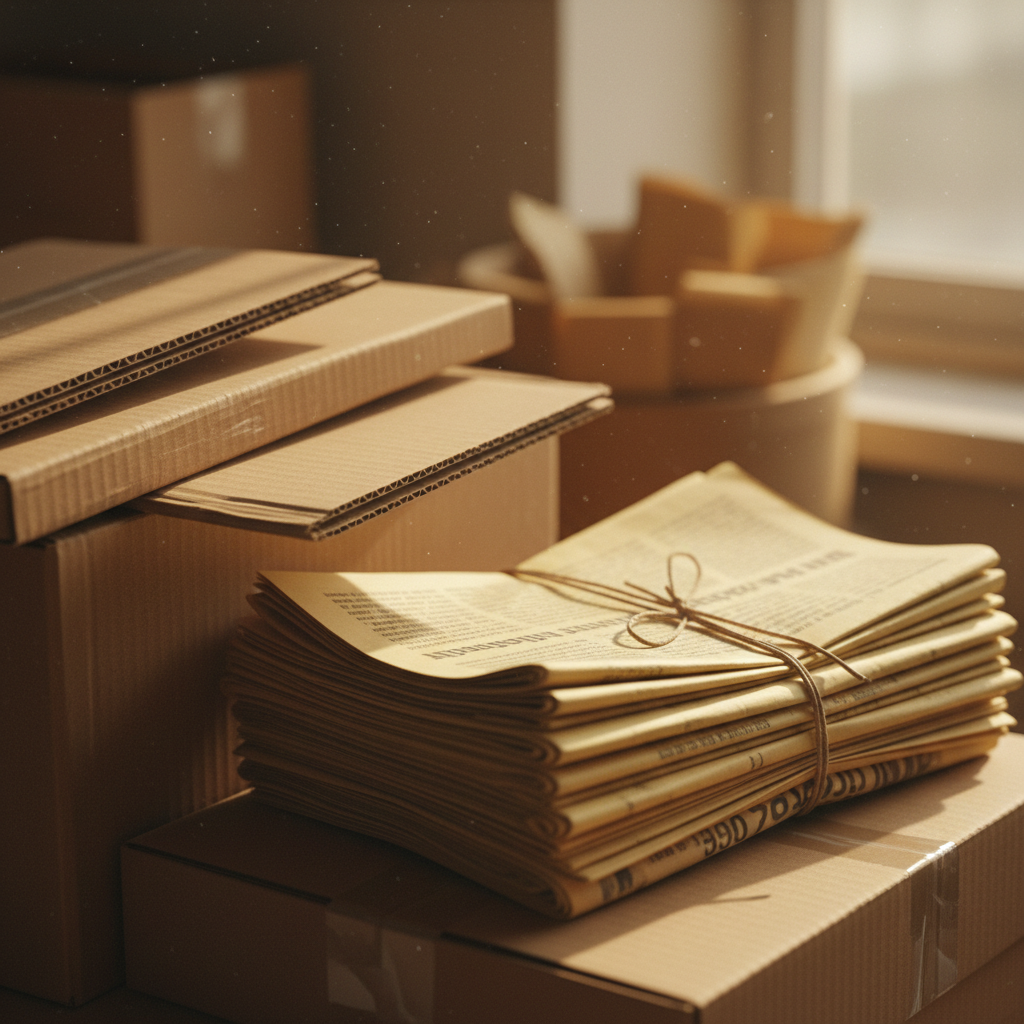
Proper preparation ensures that materials move through the sorting facility without delay and maintain their market value. To handle your boxes correctly and ensure your cardboard recycling efforts are effective, follow these three practical steps:
Empty the box completely. Remove all non-paper materials, including Styrofoam inserts, plastic film, and packing peanuts. These items are common contaminants that cannot be processed with wood fibers and must be disposed of separately.
Flatten the box. Use a utility knife to cut the tape along the seams rather than just crushing the box. Flattening boxes is essential because it maximizes the capacity of recycling bins and transport trucks. In Box Elder County, where transport distances can be significant, efficient loading reduces the number of trips required and lowers the overall environmental impact of the collection process.
Keep it dry. Cardboard fibers weaken significantly when they become saturated, and moisture often leads to mold growth that can ruin an entire batch of material. Given the heavy snow and seasonal rain common in Northern Utah, store your boxes in a dry area like a garage or shed until you are ready to drop them off at a facility.
While industrial pulping machines are designed to filter out small amounts of clear packing tape and standard shipping labels, removing large amounts of heavy-duty reinforced tape is a best practice. Taking this extra step helps the local processing stream stay efficient and reduces the residue left behind during the recycling process. If you have questions about specific preparation requirements for large volumes or industrial materials, you can contact Jolley Recycling for professional guidance.
The Pizza Box Problem: What to Do with Greasy Cardboard
Pizza boxes are one of the most misunderstood items in cardboard recycling. If you search online, you will find conflicting advice; some municipalities accept them whole, while others reject them entirely. In the Box Elder County processing stream, the deciding factor is grease. When cardboard is recycled, it is mixed with water to create a slurry. Because oil and water do not mix, the grease from a pizza box creates spots and holes in new paper products, potentially ruining an entire batch of material.
To handle this properly, use the rip and flip method. Inspect the box after your meal. The lid is almost always clean and free of food residue. Tear the lid off and place it in your recycling bin. The bottom half, which usually contains cheese, sauce, and soaked-in oils, should be placed in your regular trash or added to a home compost pile. By separating these two halves, you recover the high-quality fibers from the top while preventing contamination from the bottom. This small, extra effort ensures that local cardboard recycling programs remain viable and efficient. For larger waste management questions or specialized material recovery, you can contact Jolley Recycling to discuss your specific needs.
Where to Recycle Cardboard in Box Elder County
For residents handling standard household volumes, the Brigham City Compost and Recycling Facility is a primary resource. Located at 820 N. Watery Lane, this site provides dedicated bins for corrugated material. Another central option is the Box Elder County Landfill. If you plan to drop off materials there, keep in mind their standard operating hours are Monday through Friday, 7:30 a.m. to 4:30 p.m. These municipal sites are excellent for managing the occasional stack of shipping containers or cereal boxes.
Public drop-off points, however, are not always the best fit for every situation. High-volume users like retailers, contractors, and warehouse managers often find that city bins fill up too quickly or require too many individual trips. For these larger requirements, professional commercial recycling services offer a more organized approach. Jolley Recycling serves as a local partner for projects that exceed residential limits, such as office cleanouts or industrial material recovery. By choosing a dedicated service, you avoid the logistical bottleneck of public bins while ensuring your materials are processed through efficient, local systems. This distinction ensures that every user in the county has a disposal method suited to their specific volume.
Streamlined Cardboard Solutions for Local Businesses and Contractors
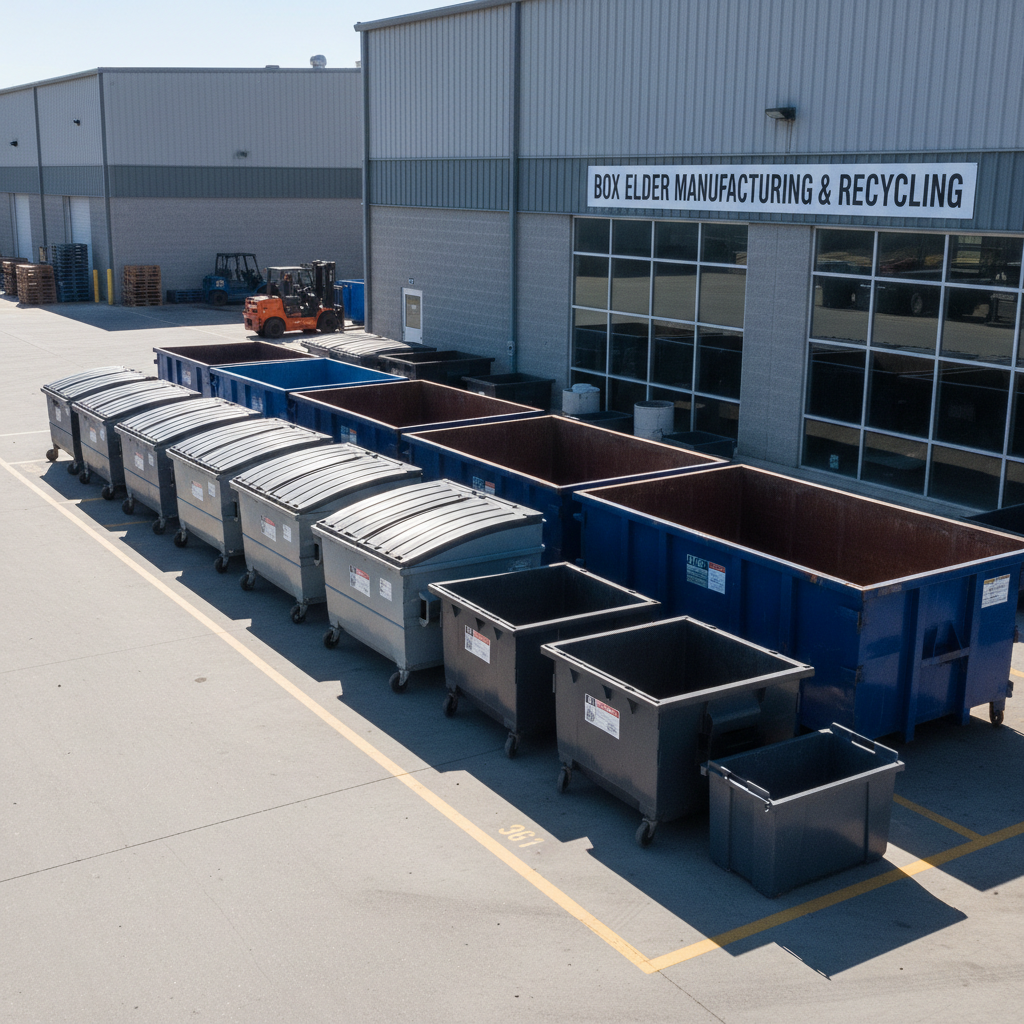
Retailers and warehouses across Brigham City and Tremonton often generate more corrugated material in a single afternoon than a residential drop-off bin is designed to handle. For these high-volume users, relying on public facilities at Watery Lane creates a logistical bottleneck. It forces staff to spend valuable hours breaking down massive stacks of boxes and making multiple trips to municipal sites. Professional cardboard recycling for businesses requires a more scalable, organized approach that integrates directly into a company’s workflow.
Jolley Recycling supports local commercial operations by providing streamlined collection systems tailored to the specific volume of each facility. This is particularly useful for contractors managing large construction sites or businesses undergoing significant office moves. Rather than letting bulk shipments of cardboard clutter a warehouse floor or job site, we offer material recovery for one-time projects. This hands-on, local service ensures that your workspace remains clear and safe without the bureaucratic delays often associated with national waste conglomerates.
By utilizing our commercial recycling services, local businesses can maintain their environmental responsibility without sacrificing operational efficiency. We focus on practical, regional solutions that keep recyclable materials out of our county landfill and back into the production cycle. If you are preparing for a large delivery or need a reliable partner for ongoing material management, you can contact Jolley Recycling to establish a plan. This specialized support allows Box Elder County businesses to focus on their core work while we handle the heavy lifting of material processing.
Common Mistakes That Contaminate Box Elder County Recycling Streams

Even with organized systems in place, the quality of the raw material determines the success of the process. One of the most frequent errors involves wax-coated boxes, typically used for shipping heavy produce or frozen goods. You can identify these by scratching the surface; if a waxy residue comes off under your fingernail, the box belongs in the trash. Similarly, juice and milk cartons often contain hidden plastic or aluminum liners. While these look like paperboard, they require specialized pulping that standard cardboard recycling lines in Box Elder County are not always equipped to handle.
Many residents and warehouse staff members practice "wish-cycling," which is the act of placing questionable items in the bin hoping they will be recycled. This undermines the efficiency of our local systems by increasing sorting costs and potentially ruining clean batches of corrugated material. It is also critical to keep hazardous waste, such as oily rags or chemical containers, and electronics out of these streams. These items pose safety risks to local workers and can damage processing equipment. If you are unsure about a specific material or are managing a cleanup that involves mixed debris, you can contact Jolley Recycling for expert advice. Understanding these nuances is a core part of about our local mission to provide practical waste solutions for our Northern Utah community.
Why Recycling Cardboard Matters for Our Utah Environment
Keeping cardboard out of the local waste stream directly impacts the longevity of our regional resources. In Box Elder County, where the landscape stretches from the wetlands near the Great Salt Lake to the peaks of the Wellsville Mountains, responsible material management is a practical act of stewardship. When local businesses and residents prioritize cardboard recycling, they significantly reduce the volume of material buried in the county landfill, preserving the surrounding natural terrain and reducing the long term environmental footprint of regional commerce.
This effort fosters a sustainable cycle where materials are recovered rather than discarded. By taking the time to properly prep a box, you contribute to a coordinated community effort that keeps Northern Utah clean. These small, disciplined actions are fundamental to about our local mission of providing reliable, hands-on waste solutions. Every flattened box represents a shared investment in maintaining the beauty and health of our county for both current residents and future generations.