Plastic recycling numbers are Resin Identification Codes that identify the chemical resin used to manufacture a product, ranging from 1 to 7. These symbols help sorting facilities categorize materials, although the presence of a code does not always mean an item is locally recyclable or accepted in curbside bins.
Standing over a recycling bin with a plastic container in hand often leads to a moment of hesitation. You see the chasing arrows symbol and assume the item is recyclable, yet that number inside the triangle is actually a resin identification code rather than a guarantee of local processing. This distinction is critical for residents and businesses across Box Elder County, as placing the wrong materials in your bin causes contamination that compromises the entire recovery stream. At Jolley Recycling, we prioritize transparency and efficiency in our local waste management efforts. In this guide, we will decode symbols one through seven, clarify which plastics are accepted by Brigham City and surrounding municipalities, and explain how proper preparation prevents the common pitfalls of wish cycling. You will gain the specific, practical knowledge needed to ensure your plastic waste contributes to a sustainable Utah landscape.
The Truth Behind the Triangle: Why Plastic Recycling Numbers Can Be Deceiving
Most residents and business owners in Box Elder County see the "chasing arrows" triangle on a container and immediately assume it belongs in the recycling bin. However, that symbol is one of the most misunderstood icons in modern waste management. The small number inside the triangle is not a guarantee of recyclability; rather, it is a Resin Identification Code (RIC).
The plastics industry developed these codes in the late 1980s to provide a uniform system for identifying the specific type of plastic resin used in a product. The original intent was to help professional sorters at recovery facilities distinguish between chemical compositions like polyethylene and polypropylene. It was never designed as a consumer guide for what is accepted at the curb. For the end user, these plastic recycling numbers often create a false sense of environmental security.
While there are seven standard codes, the presence of a number does not mean the item has value in the current market or that local machinery can process it. In Utah, the reality of what actually gets recycled is dictated by regional infrastructure and sorting technology. Placing items in a bin simply because they display a triangle leads to contamination, which can jeopardize the efficiency of the entire system.
Jolley Recycling provides reliable recycling services by focusing on practical solutions that work for our specific community. Taking a hands-on, local approach means looking past the symbol and understanding the raw material. Before tossing that container, it is vital to recognize that the triangle identifies the chemistry, but local facility capabilities determine if that material will actually be recovered.
Decoding Resin Identification Codes: A Breakdown of Numbers 1 through 7
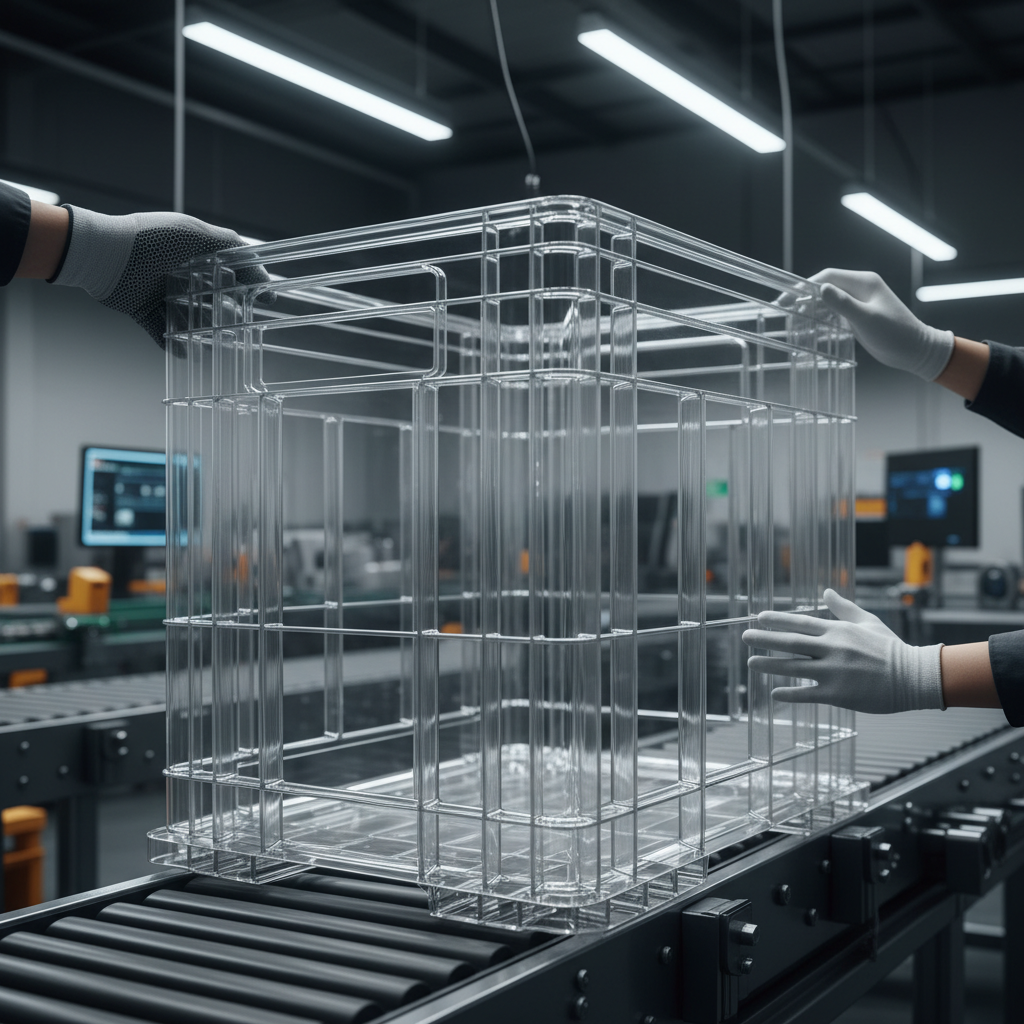
Understanding the chemical makeup of these materials helps explain why some items are valuable commodities while others are considered contaminants. In Northern Utah, processing facilities categorize these plastics based on their chemical stability, market demand, and ease of sorting. Breaking down these seven categories reveals the practical realities of waste management in our region.
#1: Polyethylene Terephthalate (PETE) This is the most common plastic for single use food and beverage containers, such as water bottles, soda bottles, and peanut butter jars. PETE is the gold standard for recycling because it is easily crushed, sorted, and reprocessed into new polyester fiber or food grade containers. It is almost universally accepted across Utah.
#2: High-Density Polyethylene (HDPE) Similar to #1, HDPE is highly sought after by domestic manufacturers. You will find this number on milk jugs, laundry detergent bottles, and shampoo containers. Because of its durability and high recovery rate, it is a staple of our reliable recycling services. These two plastics represent the vast majority of successfully recycled post consumer material.
#3: Polyvinyl Chloride (PVC) PVC is used in plumbing pipes, wire jacketing, and some medical equipment. It is rarely accepted in residential or commercial bins. The primary reason is its chemical composition; PVC contains chlorine and other additives that can release toxins if processed with other plastics, effectively ruining the batch. It also has a very low market value for reprocessors.
#4: Low-Density Polyethylene (LDPE) This resin is used for plastic film, grocery bags, and bubble wrap. While the material is technically recyclable, LDPE is the primary cause of mechanical failure at sorting facilities because it tangles in rotating screens and gears. Residents should never put plastic film in curbside bins. Instead, these items should be taken to dedicated grocery store drop off points where they are handled separately.
#5: Polypropylene (PP) Historically, #5 was difficult to recycle, but the landscape is shifting. Used in yogurt tubs, margarine containers, and syrup bottles, #5 is becoming increasingly accepted in Northern Utah facilities as new markets emerge. Its heat resistance and strength make it valuable for new automotive parts and industrial tools.
#6: Polystyrene (PS) Commonly known as Styrofoam, this material is used for coffee cups and egg cartons. It has almost no market value because it is 95 percent air. It is also extremely brittle, breaking into small beads that contaminate other recyclable paper and glass streams.
#7: Other This category is a catch all for resins that do not fit the first six categories, including BPA, polycarbonate, and bio plastics. Identifying and sorting these materials requires a hands-on, local approach to ensure that only high quality feedstock enters the recovery stream. Because of the mixed nature of #7 plastics, they are almost never accepted in standard municipal programs.
Plastic Recycling in Box Elder County: What Brigham City and Local Municipalities Accept
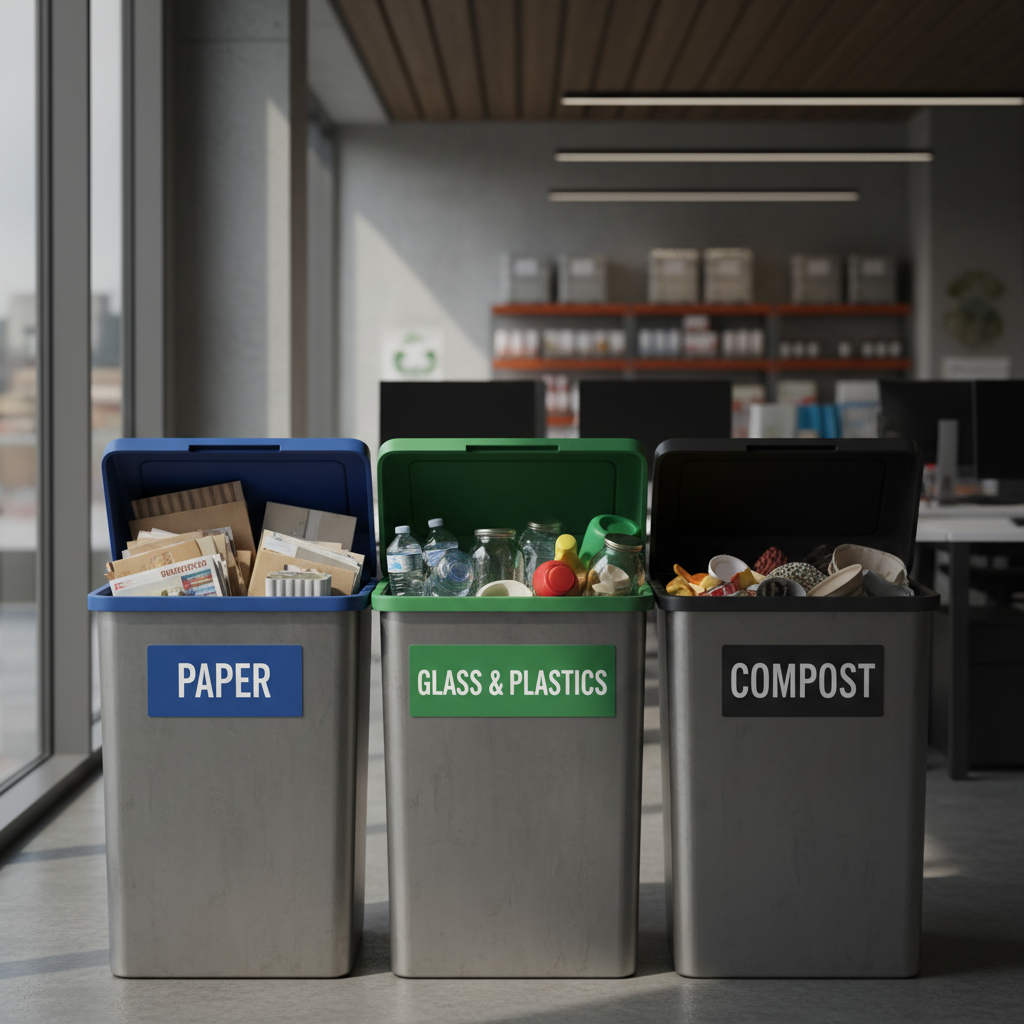
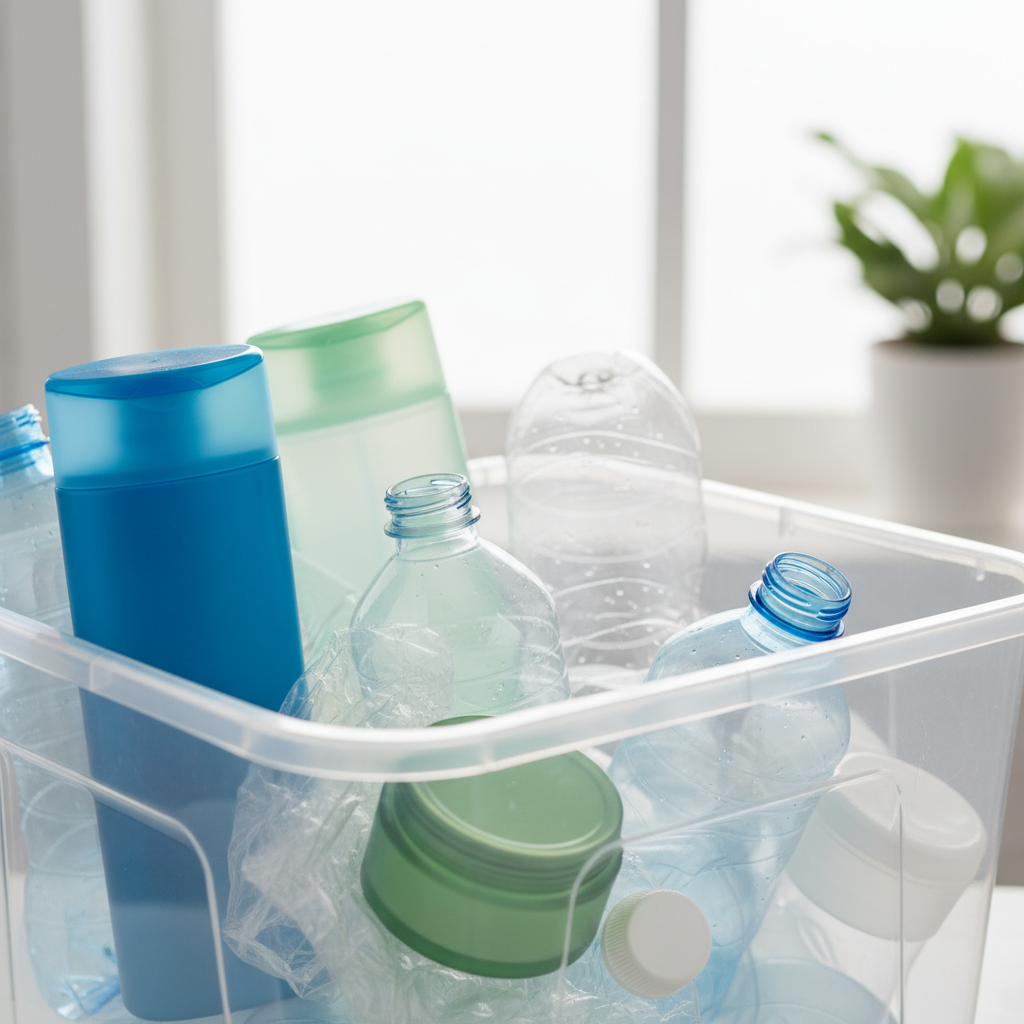
In Box Elder County, the local infrastructure determines the fate of your discarded materials more than the symbol on the package. Residents in Brigham City and surrounding municipalities often encounter a discrepancy between what a product label suggests and what the curbside bin actually accepts. The general rule for residential programs in our region is specific: focus on plastic bottles and jugs. This usually covers #1 and #2 plastics where the neck is smaller than the base of the container.
Confusion often arises when comparing Box Elder County to more urban areas like Salt Lake City. While larger metropolitan systems might accept a wider range of plastic recycling numbers, rural and smaller municipality systems in our area have stricter requirements. These tighter standards are intentional; by limiting intake to high demand resins, local programs maintain low contamination levels and high processing efficiency. This ensures that the materials collected actually reach a secondary market rather than being diverted to a landfill due to sorting errors.
For residents, this means that even if a yogurt tub or a clear clamshell container displays a triangle, it might not be accepted in your specific curbside program. The current processing equipment used by many local municipalities is optimized for containers with a specific shape and density. Always prioritize items like milk jugs, soda bottles, and laundry detergent containers.
Jolley Recycling understands these logistical hurdles. We provide reliable recycling services that support the broader infrastructure of Northern Utah. While municipal bins handle the household basics, our hands-on, local approach focuses on assisting commercial and industrial clients who need to manage larger, more complex volumes of plastic waste. Understanding these local limitations is the first step toward a more efficient waste management system for everyone in Brigham City and the surrounding communities.
Why Wish Cycling Hurts Utah Recycling Facilities
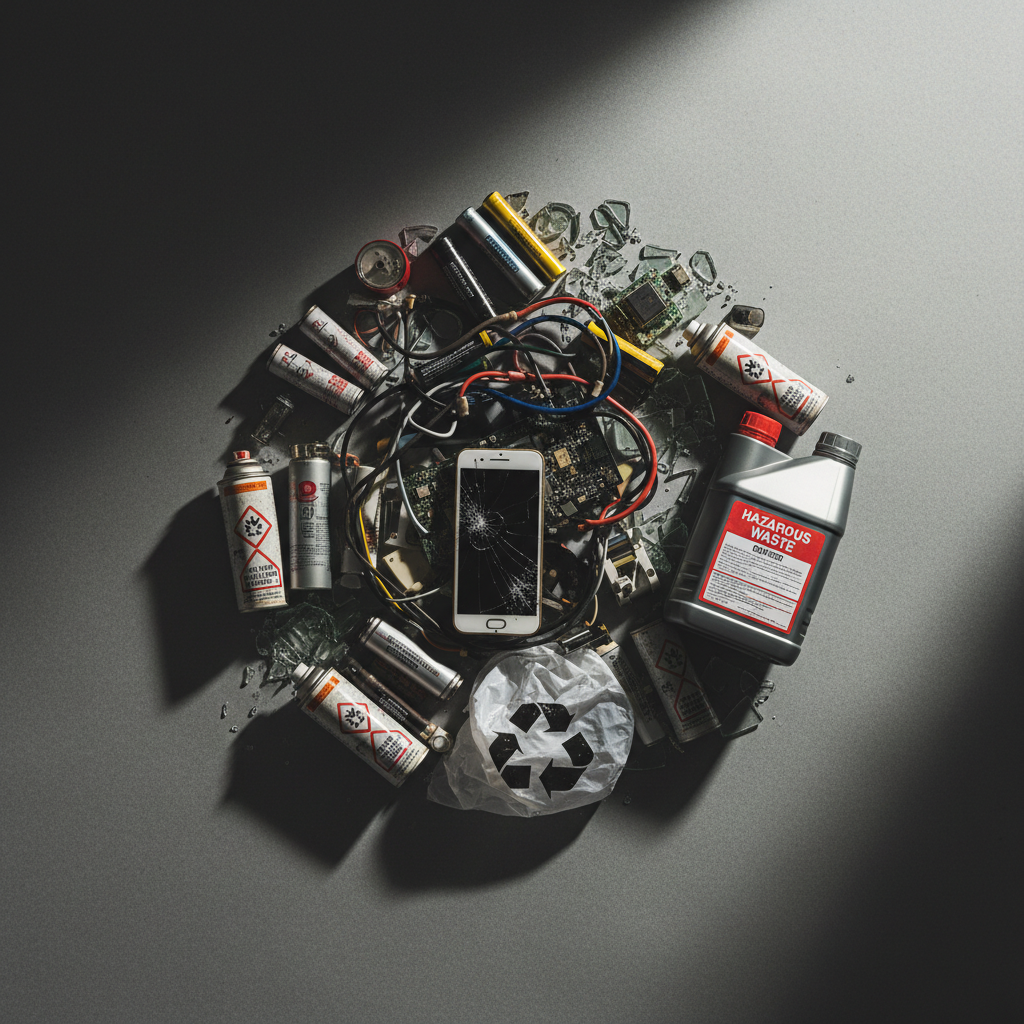
Mistaking the "chasing arrows" for a universal green light leads to wish-cycling. This is the practice of tossing non-recyclable items into a bin with the hope that a facility will somehow find a way to process them. While well-intentioned, this behavior creates significant operational hurdles for Utah recovery facilities. When a load contains too many non-recyclables, the entire batch is often deemed contaminated and diverted to a landfill, wasting the effort of everyone who recycled correctly.
Wish-cycling also drives up costs for municipalities and businesses by increasing labor and disposal fees. When people ask what plastic recycling numbers cannot be recycled, they are often looking for a simple list; however, the answer usually depends on the physical shape as much as the resin. In Box Elder County, common culprits that jam machinery or degrade material quality include:
Plastic bags and film (which wrap around rotating sorting screens and cause system shutdowns)
Small lids (which fall through gaps in the sorting line and contaminate other material streams)
Clear plastic clamshells (which often use resins that do not mix with standard bottle streams)
Sorting machinery is calibrated for specific dimensions and weights. Items that do not fit these parameters can cause expensive mechanical failures. By choosing a hands-on, local approach, we focus on quality over quantity to ensure our reliable recycling services remain sustainable. For specific questions about industrial volume materials, contact our team for expert guidance.
Preparing Your Plastics: Clean and Dry is the Standard
Successful recovery depends entirely on the condition of the material when it enters the stream. Food residue is the primary enemy of efficient processing. A single half-full soda bottle or a yogurt tub smeared with residue can contaminate an entire load of paper or cardboard in a mixed bin. Even when you identify the correct plastic recycling numbers, the physical state of the item determines its ultimate fate. To ensure your items are processed, you must rinse all containers thoroughly. Beyond rinsing, ensure they are dry before disposal; moisture trapped in a bin can lead to mold and degrade the quality of nearby materials.
When looking at the physical components, labels are typically acceptable as they are removed during the high-heat filtration process. However, caps require more attention. Loose caps often fall through sorting screens and end up in the landfill. In Box Elder County, the best practice is either to remove them entirely or screw them on tight so they stay attached to the bottle. Our hands-on, local approach shows that these small steps significantly increase the marketability of the materials we handle. By following these practical standards, you help us maintain reliable recycling services for the whole community.
Commercial and Industrial Plastic Recovery Projects
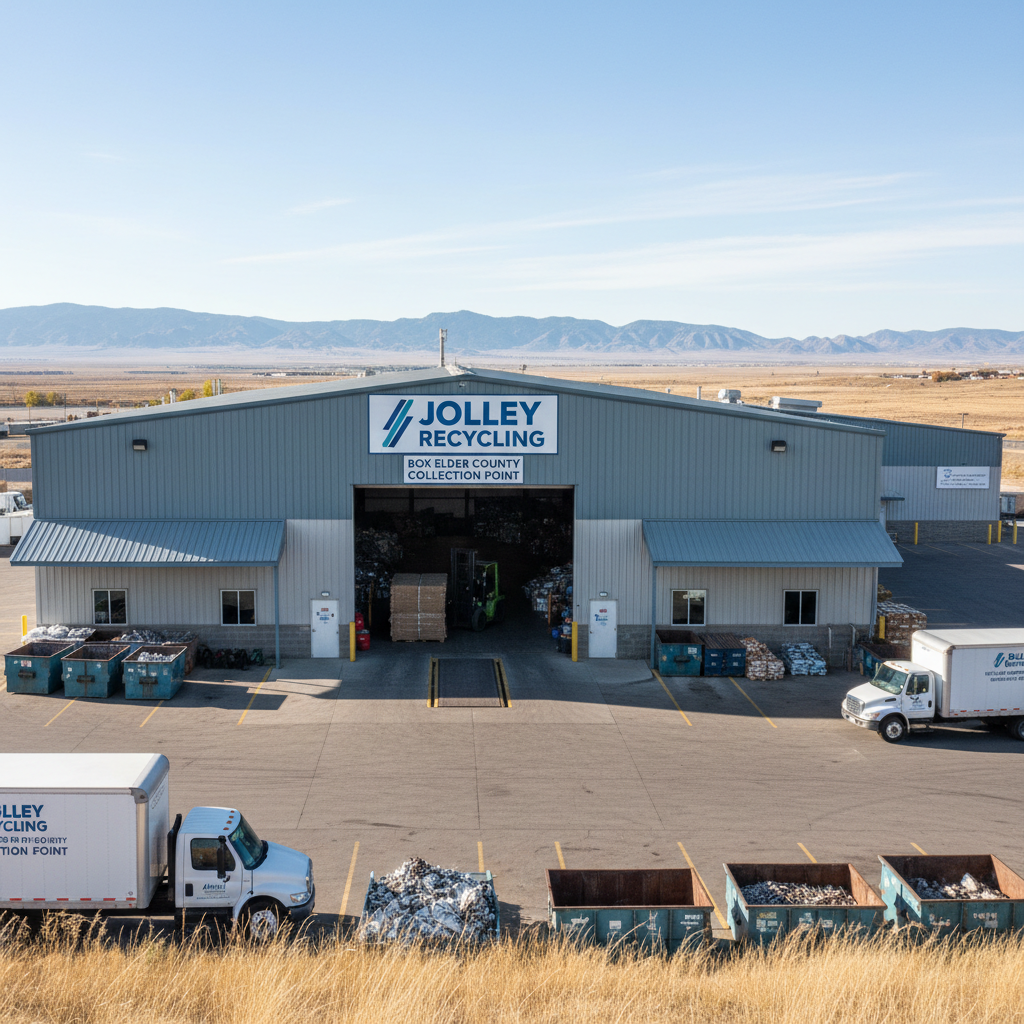
For commercial operations in Box Elder County, managing waste goes beyond identifying plastic recycling numbers on a few lunch containers. Industrial sites and contractors generate high volumes of specific materials that residential programs cannot accommodate. Large scale quantities of LDPE pallet wrap or heavy duty HDPE industrial drums require specialized handling to ensure they enter the correct recovery stream. Jolley Recycling provides reliable recycling services tailored to these larger footprints; focusing on efficiency and material purity at the source.
We support both one time material recovery projects, such as clearing out warehouse overstock or construction site debris, and ongoing recycling programs for manufacturing facilities. Our hands-on, local approach allows us to analyze a business waste stream and identify which resins can be diverted from the landfill. If your facility produces consistent volumes of film, rigid plastics, or specialized industrial containers, contact our team to establish a collection system that works for your specific operational needs. This professional management ensures that industrial plastics are processed correctly rather than contributing to local landfill growth.