Residents of Box Elder County can access glass recycling near me by using designated drop-off points or private collection services that accept glass jars and bottles. While glass often cannot go in standard curbside bins, these specialized locations ensure materials are properly processed for use in new containers or construction aggregate.
Staring at a growing pile of glass bottles can be frustrating when your local curbside bin strictly prohibits them. In Box Elder County, glass recycling requires a more intentional approach because mixing fragile containers with paper and plastic often leads to contamination and damaged sorting equipment. Understanding where and how to dispose of these materials is not just a matter of convenience; it is essential for ensuring that glass reaches a processing facility rather than a landfill. This guide provides the practical expertise you need to navigate local recycling options. You will learn which specific glass items are accepted, where to find reliable drop off locations, and why separating glass is the most effective way to support a sustainable regional economy. From identifying recyclable cullet to understanding the lifecycle of your waste, we cover every detail required for responsible disposal.
Why Glass is Handled Separately in Box Elder County
In Box Elder County, the shift toward separated glass collection is a practical response to the mechanical failures of single-stream recycling. When glass is tossed into a standard bin alongside paper, cardboard, and plastic, it inevitably breaks during transit and sorting. These resulting tiny shards, often called fines, become deeply embedded in softer materials. Once a load of cardboard is contaminated with glass slivers, it cannot be safely processed into new paper products because the glass damages industrial pulping equipment. Consequently, instead of being repurposed, the entire contaminated batch often ends up in a landfill.
This reality is why modern standards in our region favor dedicated glass collection. By removing glass from the mixed waste stream, we protect the integrity of every other material. Older methods prioritized convenience at the expense of quality; however, the modern approach focuses on material recovery that actually works. At Jolley Recycling, we emphasize clean material streams for both residential and one-time material recovery projects. Our goal is to ensure that every ton of material collected is fit for its intended secondary market rather than being rejected due to cross-contamination.
When residents look for "glass recycling near me," they are participating in a system designed for high efficiency. Separating glass at the source ensures that the silica stays pure and the paper stays clean. This hands-on, local approach allows us to provide reliable recycling services that fulfill the promise of environmental responsibility. By keeping glass in its own lane, we transform potential waste into a valuable resource for local manufacturing and industrial applications.
What Kind of Glass Can Be Recycled
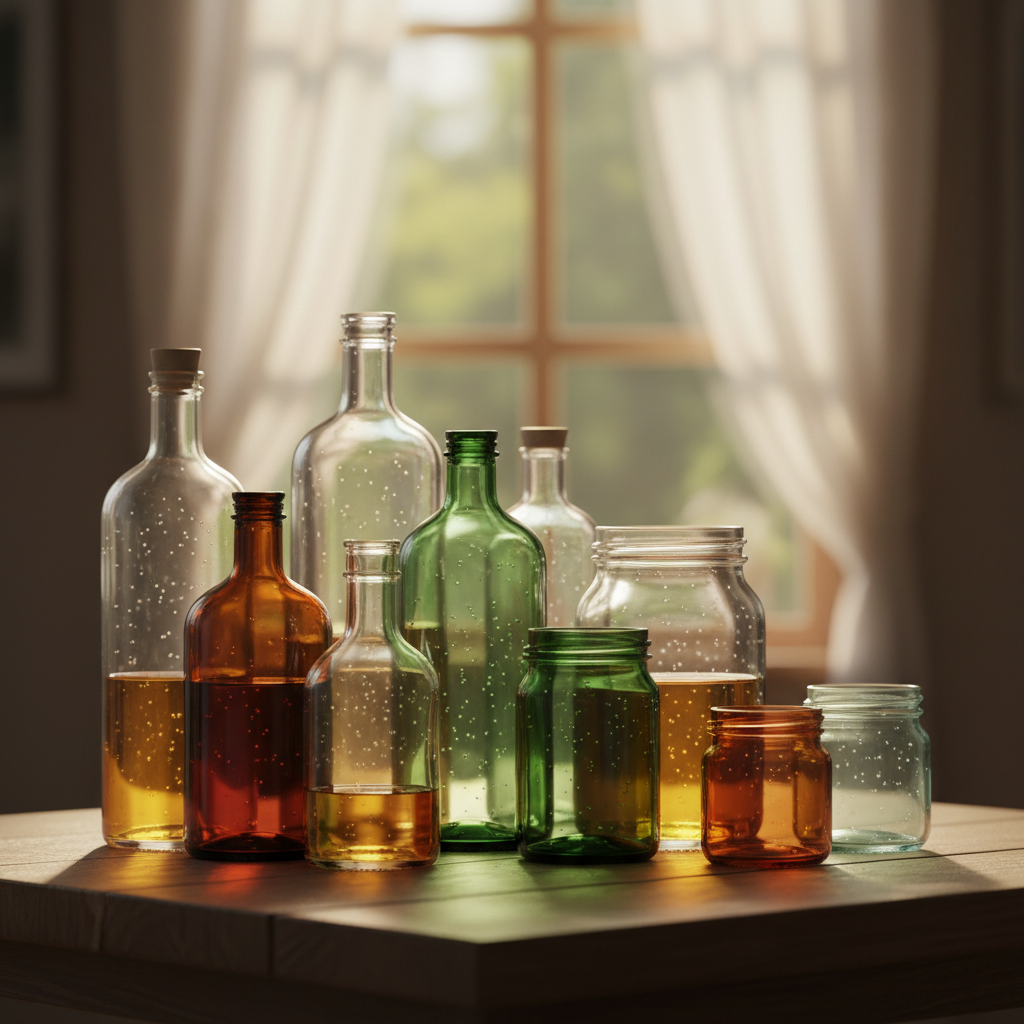
Identifying which items belong in a dedicated bin is the first step toward effective material recovery. In Box Elder County, the primary focus is on container glass. This category specifically includes items used for food and beverages. If the glass held something you could eat or drink, it is a candidate for high-quality recycling.
The following items are standard for glass recovery: - Soda, beer, and wine bottles - Spirit and liquor bottles - Food jars (pickle, jam, salsa, baby food, and condiment jars) - Vinegar and olive oil bottles
While clear, brown, and green glass are all accepted, they eventually undergo a rigorous sorting process. This is because glass colors are chemically distinct; you cannot produce a clear bottle from a mixture containing green shards. Once sorted, the glass is crushed into cullet, which serves as the primary feedstock for new manufacturing. Sorting by color ensures the resulting cullet meets the strict specifications required by glass plants. Clear glass, or flint glass, is the most versatile, but brown and green glass are equally valuable for the beverage industry.
For those managing one-time material recovery projects or looking for glass recycling near me, proper preparation ensures the material remains viable. Before drop-off, remove all metal or plastic lids. While paper or plastic labels can typically remain on the bottle, the container must be thoroughly rinsed of food residue. A quick rinse prevents odors and discourages pests at collection sites. For businesses or industrial sites with significant glass waste, you can contact our team to discuss organized collection strategies that maintain these clean material streams. Following these preparation steps helps us provide reliable recycling services that keep our local economy and environment healthy.
Glass Items That Do Not Belong in the Recycling Bin
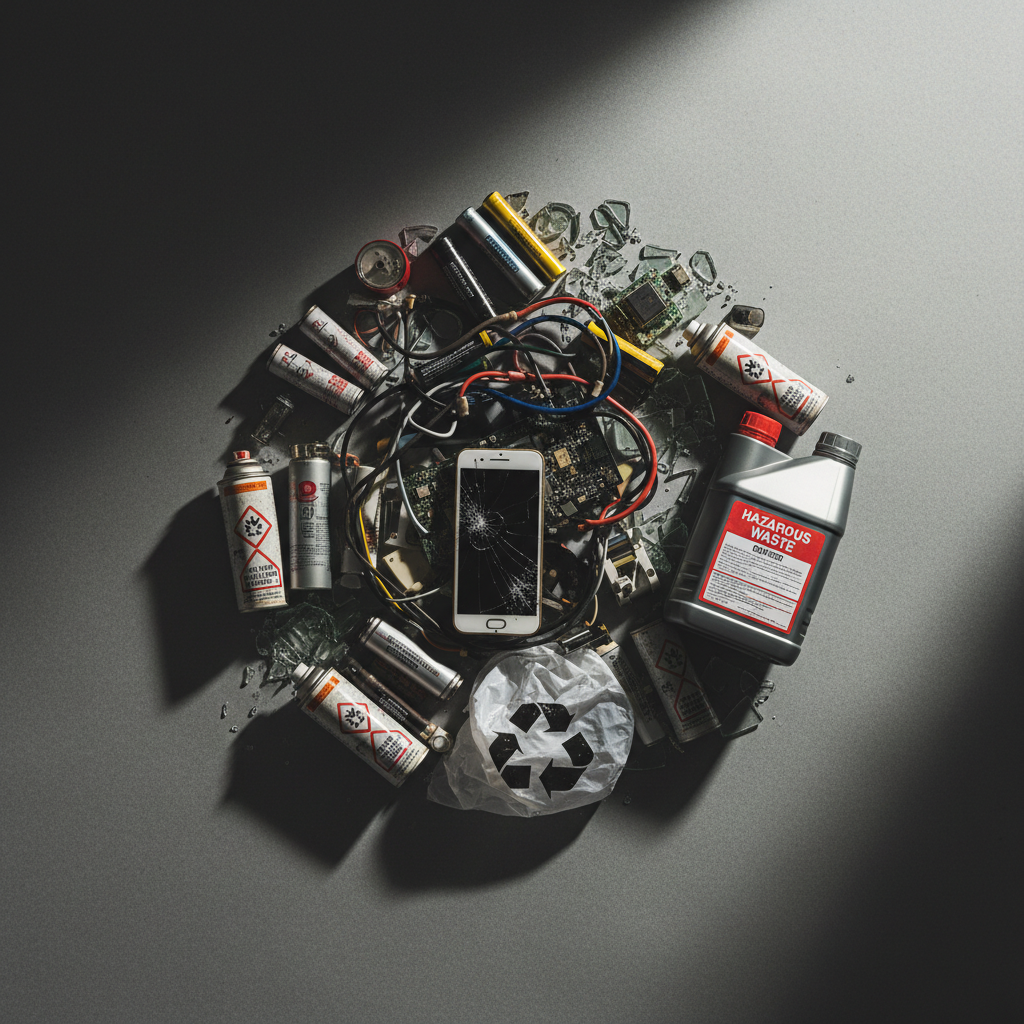
While understanding what is accepted is vital, knowing what to exclude is equally critical to maintaining a functional system. A common issue in the industry is "wish-cycling," which occurs when residents place non-recyclable items into collection bins hoping they will be processed. In reality, these items act as contaminants that can stall production or ruin entire batches of otherwise clean material.
One of the most frequent questions we encounter is, "Why can't Pyrex glass be recycled?" The answer lies in the chemical additives, such as boron, used to make the glass heat-resistant. This borosilicate glass is designed to withstand extreme temperature shifts without cracking, which gives it a much higher melting point than the standard soda-lime glass used for food jars and bottles. When Pyrex enters a standard glass furnace, it remains solid while the container glass melts around it. These unmelted pieces, often called "stones," create structural defects in new bottles, making the entire batch unusable. Even a single baking dish can compromise tons of recyclable cullet.
Other common household items that must stay out of the bin include:
Item Type | Reason for Exclusion |
|---|---|
Mirrors | Contain chemical backings and coatings that contaminate the melt. |
Window Panes | Often treated with laminates or chemicals to increase durability. |
Drinking Glasses | Frequently contain lead or other minerals to improve clarity and strength. |
Ceramics | Mugs and plates do not melt at glass furnace temperatures and clog machinery. |
Light Bulbs | Contain metal filaments and, in the case of CFLs, hazardous mercury. |
For those managing one-time material recovery projects or looking for "glass recycling near me" in Box Elder County, keeping these materials separate is a requirement for quality control. Mirrors and window glass require specialized disposal routes that differ from container glass processing. If your business or construction site is handling large volumes of these non-container materials, you can contact our team to discuss the best path for disposal. Maintaining these strict standards ensures that our reliable recycling services continue to turn local waste into high-quality raw materials for Utah manufacturers.
Where Does Your Recycled Glass Go
After leaving a local drop-off site in Brigham City or Tremonton, your glass is transported to a processing facility where it undergoes mechanical sorting and cleaning. The primary goal of this process is to produce cullet, which is crushed glass that has been screened for contaminants and is ready for the furnace. For many residents searching for glass recycling near me, the ultimate destination is a manufacturing plant where this cullet is melted alongside raw materials like sand and soda ash to form new containers.
This process is a prime example of a closed-loop system. A glass bottle dropped in a bin today can be processed, melted, blown into a new shape, and returned to a store shelf in as little as 30 days. This rapid turnaround is unique to glass because it does not degrade during the recycling process; it can be repurposed indefinitely without losing quality. Jolley Recycling supports this efficiency by managing one-time material recovery projects for industrial clients, ensuring high volumes of glass enter this loop rather than taking up space in Box Elder County landfills.
While bottle-to-bottle recycling is the most common path, Utah also utilizes glass in several secondary industrial applications. If the glass is too small to be sorted by color, it is often diverted for alternative uses:
Road Base (Glassphalt): Crushed glass is mixed with asphalt to create durable, reflective road surfaces.
Fiberglass Insulation: Cullet is a primary ingredient in the fiberglass insulation used in local residential and commercial buildings.
Landscaping: Tumbled glass creates decorative sand or gravel for xeriscaping, providing a sustainable alternative to quarried stone.
These local applications provide a functional fallback for materials that cannot meet the strict purity standards of food-grade containers, ensuring that our reliable recycling services maximize the utility of every pound collected.
Glass Recycling Near Me: Drop Off Locations and Service Options
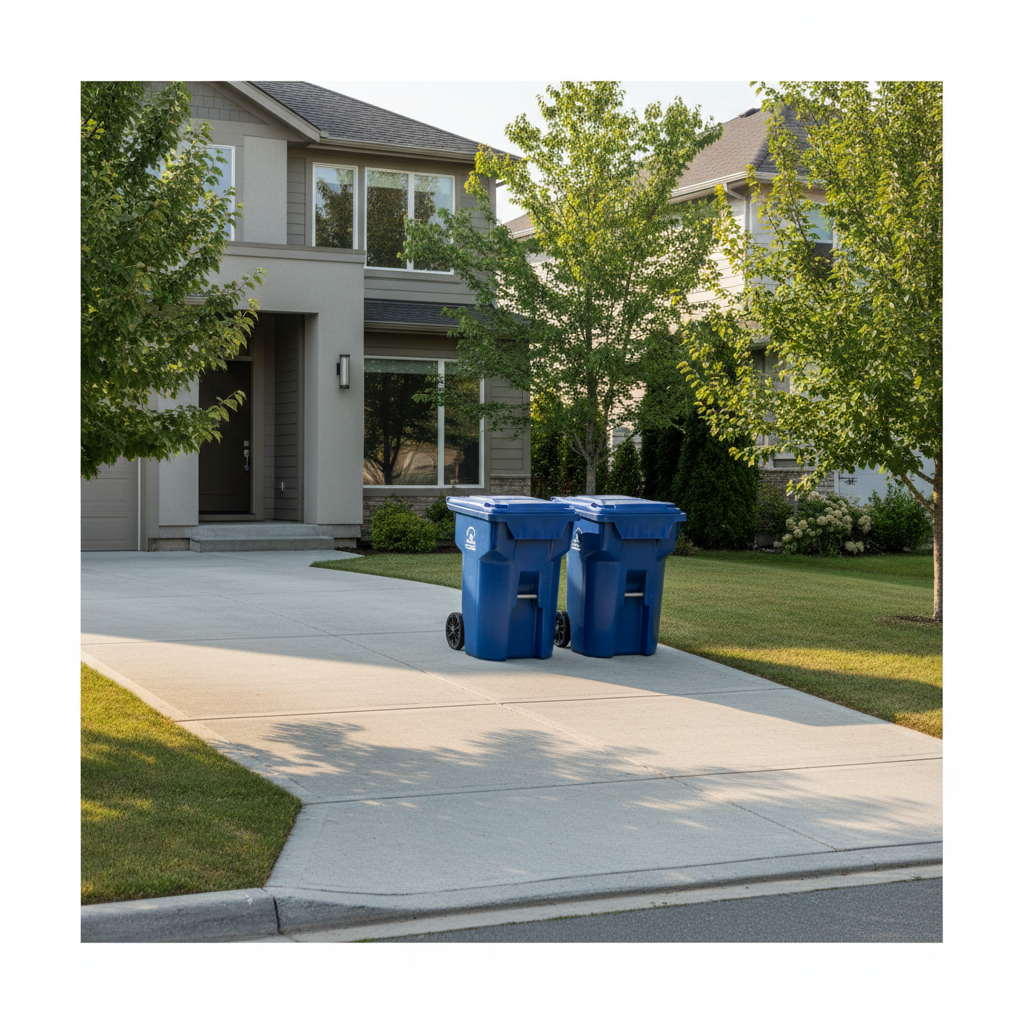
Connecting your glass waste to these local processing cycles depends on volume and location. For residents searching for glass recycling near me in Box Elder County, the most accessible options are the public drop-off bins located at strategic municipal sites and regional grocery stores. In Brigham City and Tremonton, these bins are often found in parking lots of major retailers or near public works facilities. These hubs are designed for household quantities, allowing individuals to deposit their rinsed bottles and jars at no cost. Using these communal bins keeps residential glass out of the landfill while ensuring the material remains clean enough for high-quality cullet production.
While public bins serve the general population, businesses and industrial sites require more robust infrastructure. A restaurant, hotel, or construction crew generates a volume of glass that can quickly overwhelm a public drop-off site. This is where Jolley Recycling provides specialized support. We focus on reliable recycling services for commercial clients who need a more organized approach to material management. Instead of manual drop-offs, we help businesses implement systems that capture glass at the source, preventing it from mixing with general waste or becoming a safety hazard on-site.
For contractors managing one-time material recovery projects, such as large-scale renovations or clear-outs, we offer the logistical oversight necessary to keep glass streams pure. Managing tons of material requires a different set of tools than a single bin at a grocery store. If your organization has high-volume recovery needs or requires a dedicated strategy for consistent glass disposal, you should contact our team to discuss a tailored solution. By matching the collection method to the scale of the project, we ensure that Box Elder County’s glass continues to move efficiently toward productive reuse.
The Economic and Environmental Benefits of Glass Cullet
Using recycled cullet is not just a logistical preference; it is a fundamental shift in manufacturing efficiency. When glass plants use cullet instead of raw sand, soda ash, and limestone, they reduce energy consumption by up to 40 percent. This occurs because cullet melts at a significantly lower temperature than the base minerals, leading to less wear on industrial furnaces and lower greenhouse gas emissions. For every ton of glass diverted from the waste stream, roughly 1.2 tons of raw material mining is avoided, which directly lessens the environmental footprint of the glass industry.
In Box Elder County, these benefits translate to prolonged landfill viability. Glass is inorganic and does not decompose; a bottle buried today will occupy the same volume for centuries. By extracting this heavy, non-biodegradable material, we preserve valuable space for materials that cannot be repurposed. For businesses managing one-time material recovery projects, this diversion is a critical component of professional waste management and corporate responsibility. If you are searching for glass recycling near me to improve your site's efficiency, the environmental payoff is immediate.
A common question regarding the economics of this process is, "Is recycled glass worth anything?" While the market price for cullet fluctuates based on supply and demand, its value is rarely measured by the commodity price alone. The true worth lies in the avoided costs of landfill tipping fees and the massive energy savings provided to manufacturers. This makes glass a permanent pillar of sustainable manufacturing regardless of market volatility. For organizations seeking to optimize their footprint through reliable recycling services, you can contact our team to discuss high-volume material recovery and logistics.
Proper glass recycling is a vital step toward a cleaner Box Elder County, as every bottle saved helps preserve our local landscape. While following these guidelines makes a difference, managing the logistics of waste reduction can feel like a daunting task. If you want expert help simplifying your recycling efforts, you can read more about our story and services to see how we support the community. We are dedicated to providing the resources you need to make your environmental goals achievable and stress free.