Establishing commercial recycling services for businesses in Box Elder County involves performing a waste audit to determine volume and partnering with a reliable local hauler for pickup. Businesses should also designate a recycling coordinator and install clearly labeled bins to ensure high staff participation. This structured approach helps companies reduce landfill waste while meeting local sustainability goals.
Managing waste in a growing Box Elder County business often feels like a losing battle against rising disposal fees and overflowing dumpsters. These inefficiencies do more than clutter your loading dock; they drain your operational budget and represent missed opportunities for cost recovery. At Jolley Recycling, we understand that a streamlined waste stream is a hallmark of a well run company. This guide offers a professional roadmap for Northern Utah businesses looking to implement effective commercial recycling services. We will walk you through the essential steps of conducting a comprehensive waste audit, selecting reliable regional service providers, and optimizing the collection of high volume materials like cardboard and scrap metal. From strategic bin placement to the long term economics of scrap management, you will discover how to transform your facility into a model of industrial efficiency and fiscal responsibility.
Why Box Elder County Businesses are Prioritizing Commercial Recycling
From the heavy industrial operations in Brigham City to the agricultural hubs and small businesses in Tremonton, Box Elder County businesses operate within a distinct economic landscape. Traditionally, many owners viewed recycling as an optional environmental perk. However, shifting landfill fees and rising disposal costs have transformed commercial recycling services for businesses into a logistical necessity. Managing corrugated cardboard, scrap metal, and industrial plastics is now a core component of waste cost management rather than an afterthought.
Operating in Northern Utah also brings a unique set of environmental responsibilities. Our proximity to the Great Salt Lake ecosystem means that local land use and waste diversion directly impact the health of our region. Reducing the volume of material sent to local landfills helps preserve the natural beauty and resource stability of the Bear River Valley, ensuring that our growth does not come at the expense of our local environment.
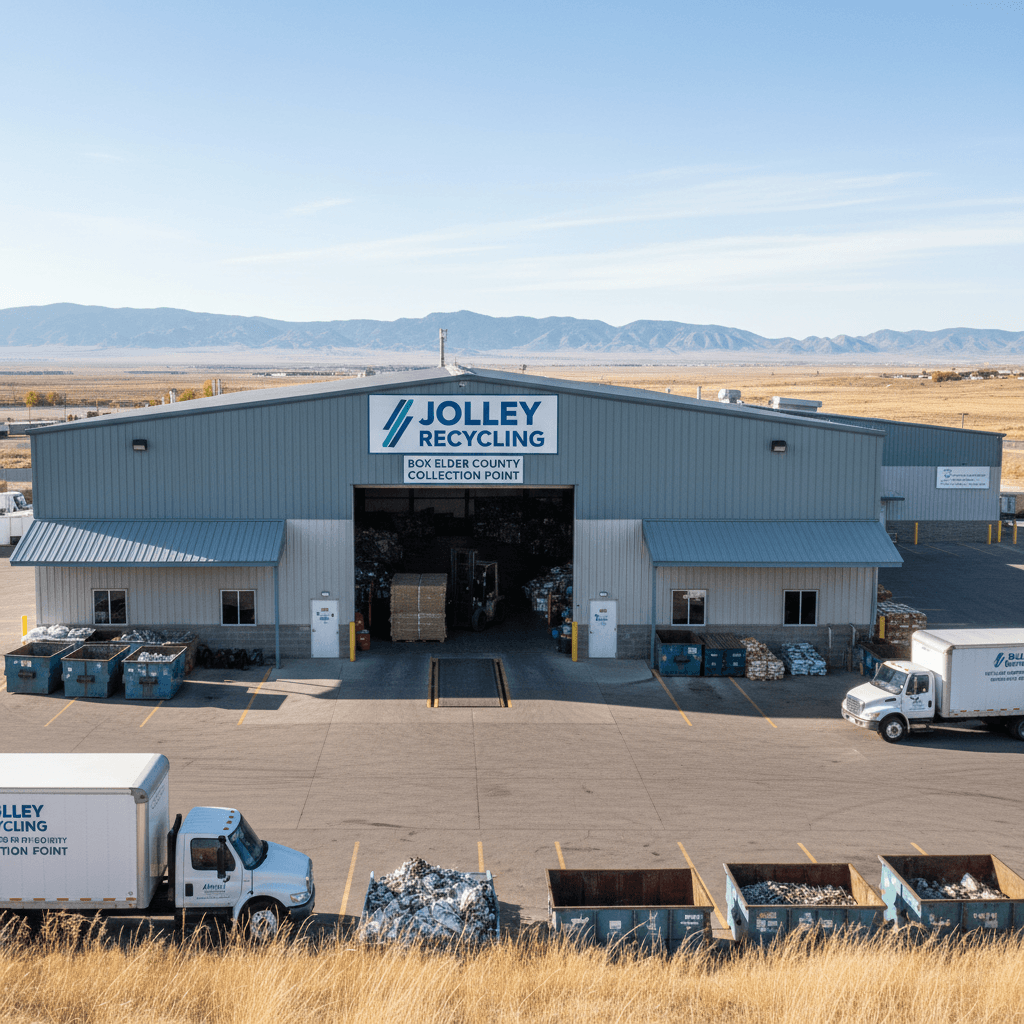
As a local provider, Jolley Recycling offers reliable recycling services tailored to the specific layout of Northern Utah. National waste conglomerates often apply a one size fits all approach that ignores the unique physical constraints of local loading docks or rural business sites. We understand the local terrain, the seasonal fluctuations of our agricultural partners, and the high output needs of our industrial shops. To discuss a plan for your facility, contact Jolley Recycling to learn about our hands on approach to material recovery.
Step 1: Conduct a Comprehensive Waste Audit

Before signing a contract or ordering bins, you must establish a baseline of what your facility actually generates. A successful waste audit involves more than a cursory glance into a dumpster at the end of the day. To get an accurate picture, track your waste output for one full business week. This duration accounts for the mid-week surge in deliveries or the end of week shop clean-ups common in Brigham City and Tremonton industrial zones.
During this week, categorize your waste into three primary streams:
Corrugated Cardboard: This is the most common material for retail and distribution centers, often taking up the most volume but weighing the least.
Scrap Metals: For Box Elder contractors and industrial shops, materials like aluminum, copper, and steel are heavy hitters that require specialized handling.
Mixed Office Paper and Plastics: Common in administrative settings and breakrooms, these materials are often high in volume but prone to contamination.
Identifying these streams allows you to right-size your equipment. Jolley Recycling frequently assists local companies during initial consultations to analyze these specific streams. Many businesses realize they are paying for a four yard trash bin that is only half-full, when a smaller trash bin combined with dedicated reliable recycling services would be significantly more cost-effective. By determining the exact ratio of recyclables to landfill waste, we help you select bin sizes that prevent you from overpaying for air. To start this process for your facility, contact Jolley Recycling to evaluate your current waste volume and refine your commercial recycling services for businesses.
Choosing the Right Commercial Recycling Services for Businesses in Northern Utah
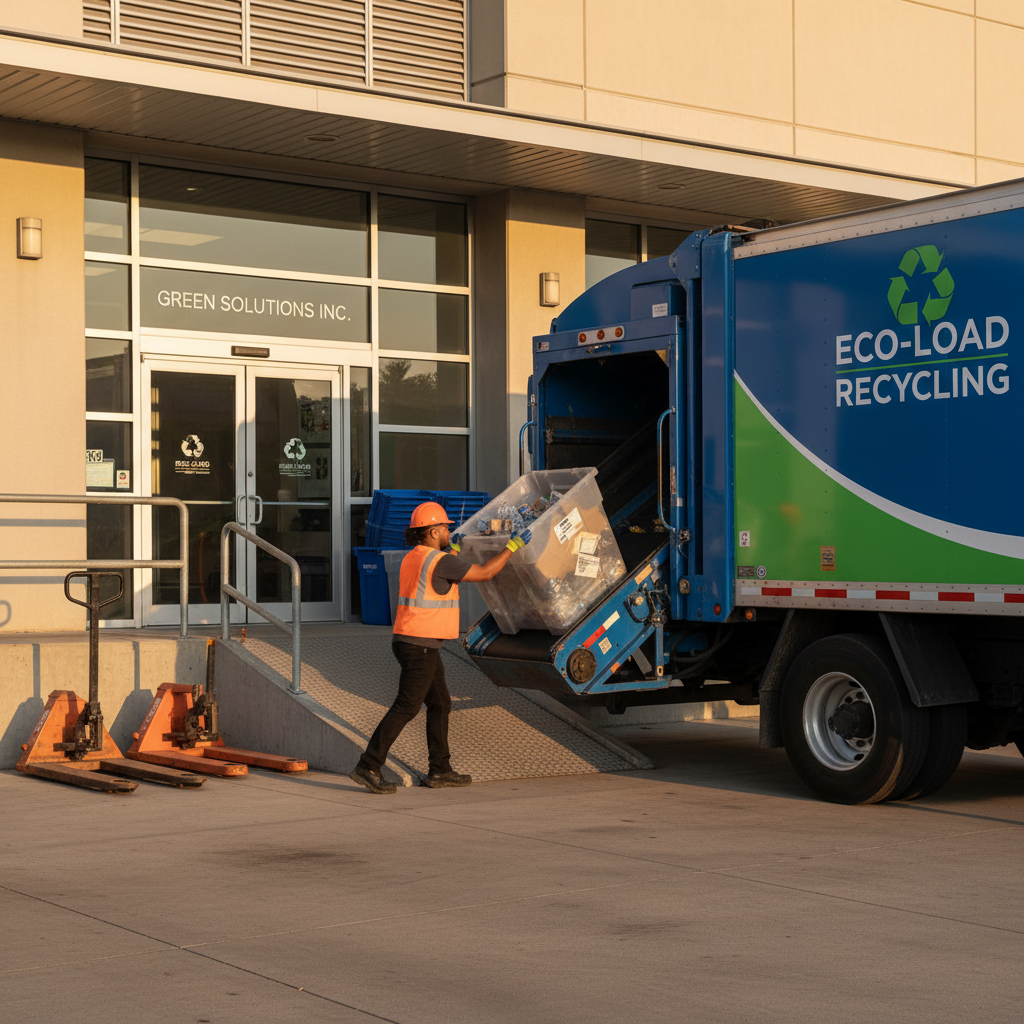
Once the waste audit is complete, the next step is selecting a partner to execute the collection plan. Many Northern Utah companies default to national waste haulers because of name recognition, but these large entities often operate on rigid, volume-based models with call centers located out of state. If a facility in Tremonton experiences an unexpected surge in corrugated cardboard, a national hauler might require days of administrative processing before adjusting a route. In contrast, a local provider offers a hands-on, local approach that prioritizes responsiveness.
Local providers understand the specific logistics of Box Elder County, from the narrow access points in historic Brigham City storefronts to the sprawling footprints of industrial shops near the freeway. This geographic proximity allows for flexible pickup schedules that can adapt to seasonal business changes. For instance, agricultural processors or retail centers often see massive fluctuations in waste volume depending on the time of year. A local partner can scale service up or down without the friction of long-term, inflexible corporate contracts.
Another critical factor is material consolidation. Managing fragmented waste streams is a common source of frustration for facility managers. Some haulers only accept office paper, while scrap metal yards may only take specific alloys, forcing a business to manage multiple contracts and invoices. Choosing reliable recycling services that handle a wide spectrum of materials, including industrial scrap and residential-style recyclables, simplifies the entire process. This consolidated approach means one point of contact manages the roll-off bins for a construction site as well as the routine cardboard collection for the front office. Effective commercial recycling services for businesses should reduce administrative overhead, not increase it. To streamline your material recovery and ensure your schedule meets your actual needs, contact Jolley Recycling for a consultation on local service options.
Streamlining High Volume Materials: Cardboard and Scrap Metal

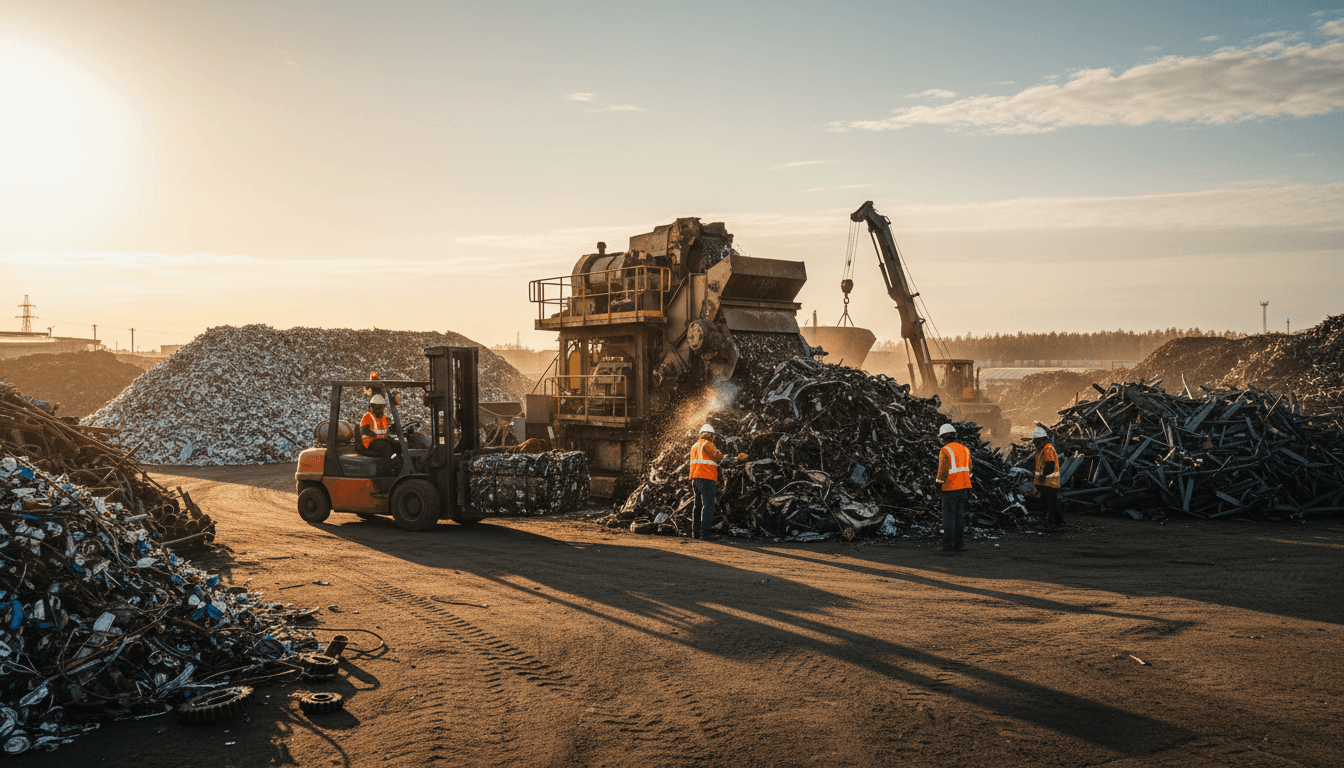
For many Box Elder County businesses, the bulk of their waste stream consists of two primary materials: corrugated cardboard and scrap metal. Retailers in Tremonton and distribution centers near the I-15 corridor often face a mountain of cardboard daily. Managing this volume efficiently depends on your facility's footprint. Loose collection in large dumpsters is a standard starting point, but it requires frequent pickups and staff time spent breaking down boxes. High volume operations should consider baling. A baler compresses cardboard into dense blocks, which drastically reduces the number of truck trips required and keeps your loading dock clear of fire hazards.
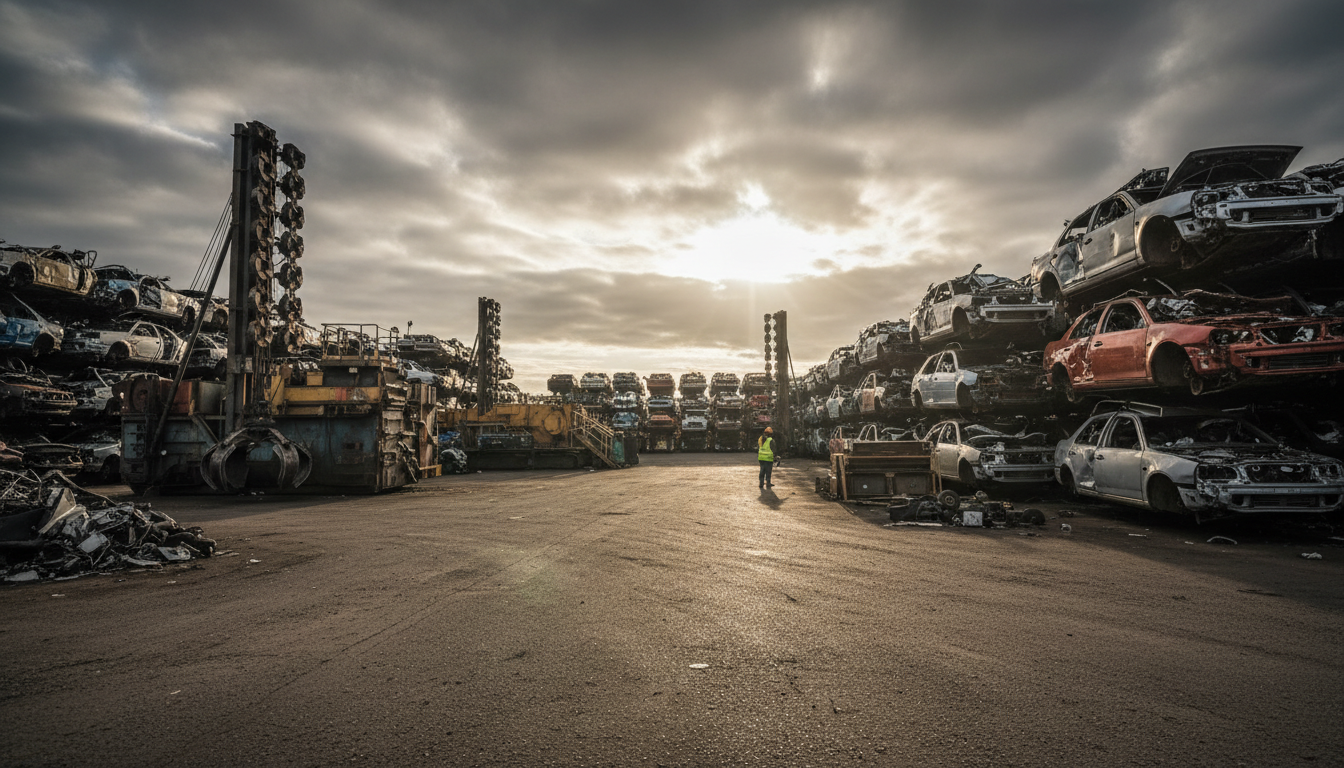
In the industrial and contracting sectors, scrap metal recovery is the most direct path to improving a facility's bottom line. Contractors working on local infrastructure or residential projects often produce significant amounts of aluminum, copper, and steel. The key to profitability lies in source separation. Mixing high value bright copper with low value sheet metal results in a mixed load rate, which is significantly lower than sorted material. By designating specific bins for different alloys, businesses can maximize the value they receive, effectively offsetting the costs of their other reliable recycling services.
Implementing these systems requires a hands-on approach to logistics. If you are unsure if your volume justifies a baler or which metal grades you are currently producing, contact Jolley Recycling for a site assessment. We help industrial shops organize their recovery areas to ensure they get the most value from their secondary materials while maintaining a clean, efficient workspace.
Organizing Your Space: Bin Placement and Labeling
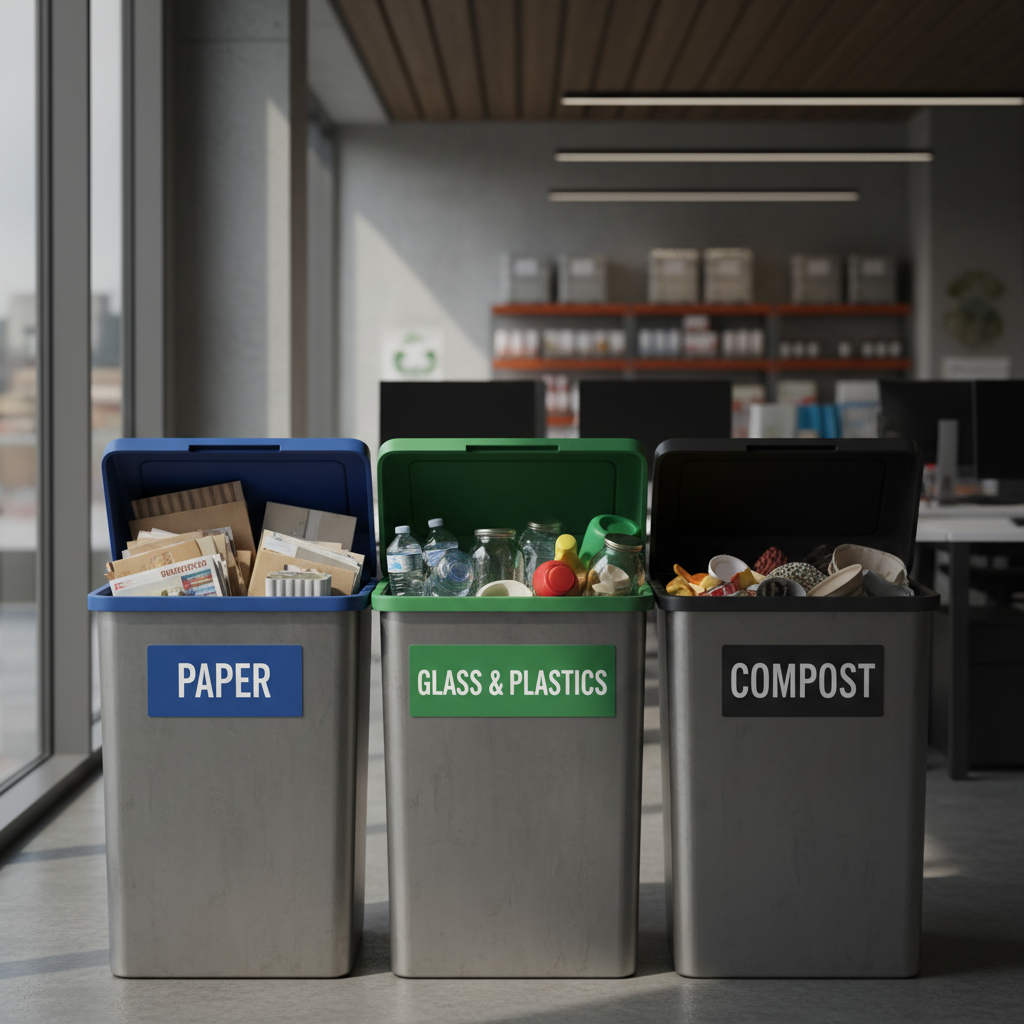
Designing the physical layout of your facility is a critical step in making commercial recycling services for businesses successful. The primary obstacle to high participation is the convenience gap. If an employee has to walk past three trash cans to find one recycling bin, the recyclable material will likely end up in the landfill. To eliminate this friction, pair every trash can with a dedicated recycling container. This ensures that the decision to recycle requires no more effort than the decision to throw something away.
In high-speed commercial environments, such as a busy shop floor in Brigham City or a retail stockroom in Tremonton, text-heavy signage is often ignored. Labels should prioritize large, clear icons over written instructions. A simple graphic of a cardboard box or an aluminum can allows employees to make the correct sorting decision in a split second, reducing the risk of contamination.
Matching the container to the specific work zone is also essential for maintaining an organized space. Consider these common configurations:
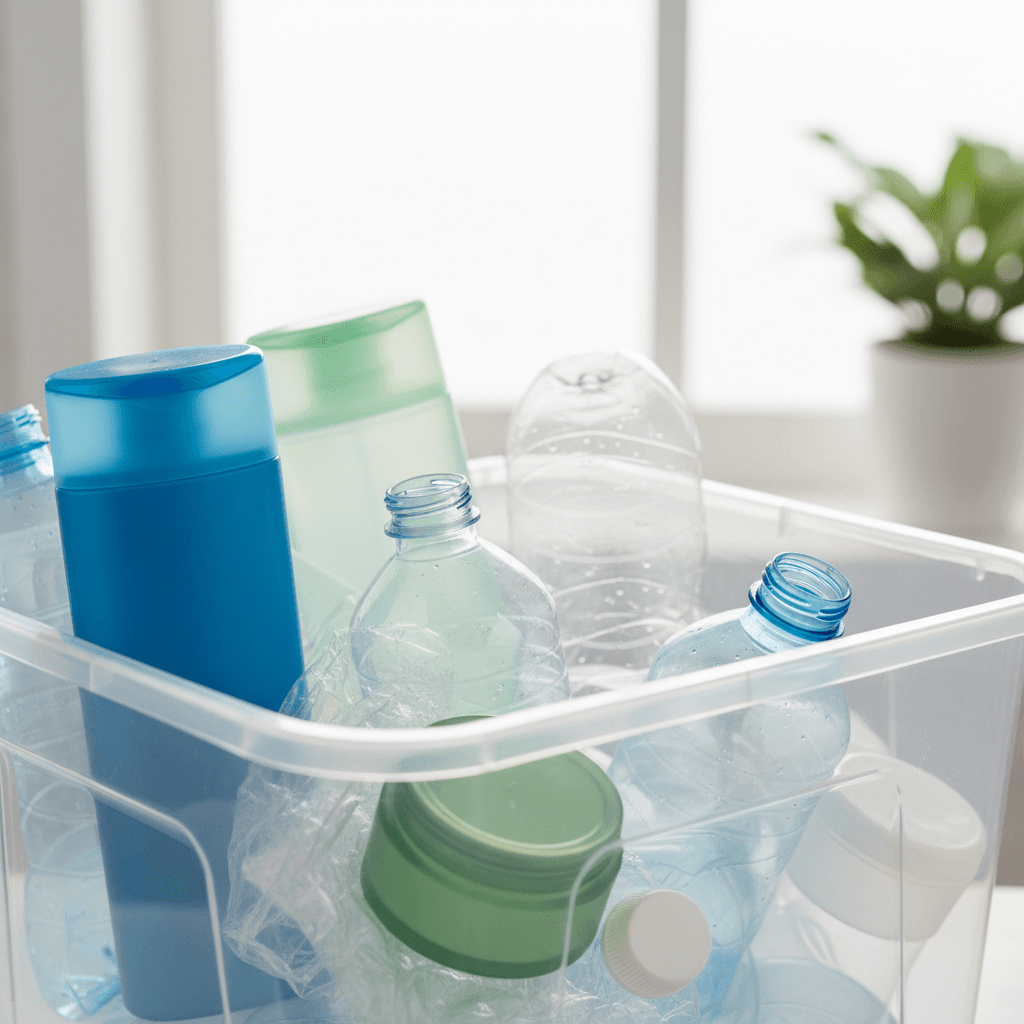
Administrative Areas: Small, deskside bins for white paper and slim containers for breakroom plastics.
Industrial Floors: 96-gallon wheeled totters or self-dumping hoppers for metal scraps and heavy recyclables.
Job Sites: Large 20 to 40-yard roll-offs for construction and demolition debris.
Selecting the right equipment ensures your reliable recycling services integrate seamlessly with your daily operations. To determine the best bin placement for your specific square footage, contact Jolley Recycling for an on-site consultation.
Staff Training and Maintaining Program Momentum
Proper bin placement is only effective if your team knows how to use the system correctly. Designate a Recycling Champion within your local workforce to serve as the primary point of contact for day to day questions. In a Tremonton warehouse or a Brigham City fabrication shop, this person should be someone who is physically present on the floor and can spot sorting errors before they become a problem.
Hold a focused, ten minute toolbox talk to introduce your reliable recycling services to the crew. Use this time to demonstrate exactly what belongs in each bin and, more importantly, what must stay out. Contamination, such as food waste or unrinsed containers mixed with high value cardboard, is a leading cause of unexpected service fees and rejected loads. Explain clearly that a single greasy pizza box or a half full soda bottle can ruin an entire batch of clean corrugated material.
To maintain long term momentum, conduct a quarterly review of your waste diversion volumes. Sharing these metrics with your staff during regular meetings validates their daily effort and shows how commercial recycling services for businesses protect the company's operating margins. If you need help developing a training checklist tailored to your specific industry, contact Jolley Recycling to discuss best practices for staff engagement.
The Economics of Recycling: Costs and Profitability for Small Businesses
Small business owners often ask if recycling is profitable or just another line item expense. While residential programs are purely service based, commercial recycling services for businesses function as a strategic waste reduction tool. By diverting high volume materials like cardboard, you can often decrease the size or pickup frequency of your expensive landfill dumpster. This shift in logistics can lead to a net reduction in monthly waste management costs.
For local contractors and fabricators, scrap metal recovery provides an additional advantage. High value materials like copper or aluminum can generate direct revenue to offset other operational fees. Managing these streams through reliable recycling services helps protect the thin margins typical for Box Elder County enterprises. To see how these economics apply to your specific facility, contact Jolley Recycling for a detailed cost analysis.
Establishing a commercial recycling program in Box Elder County requires a clear strategy that includes bin placement, team training, and consistent monitoring. While these initial steps lay a solid foundation for your business, maintaining a streamlined system often requires specialized knowledge and reliable scheduling. If you want expert help ensuring your waste management stays efficient and compliant, you might consider reviewing our professional Services to see how we can assist. Taking this next step allows your team to focus on daily operations while we handle the logistics of your sustainability goals.