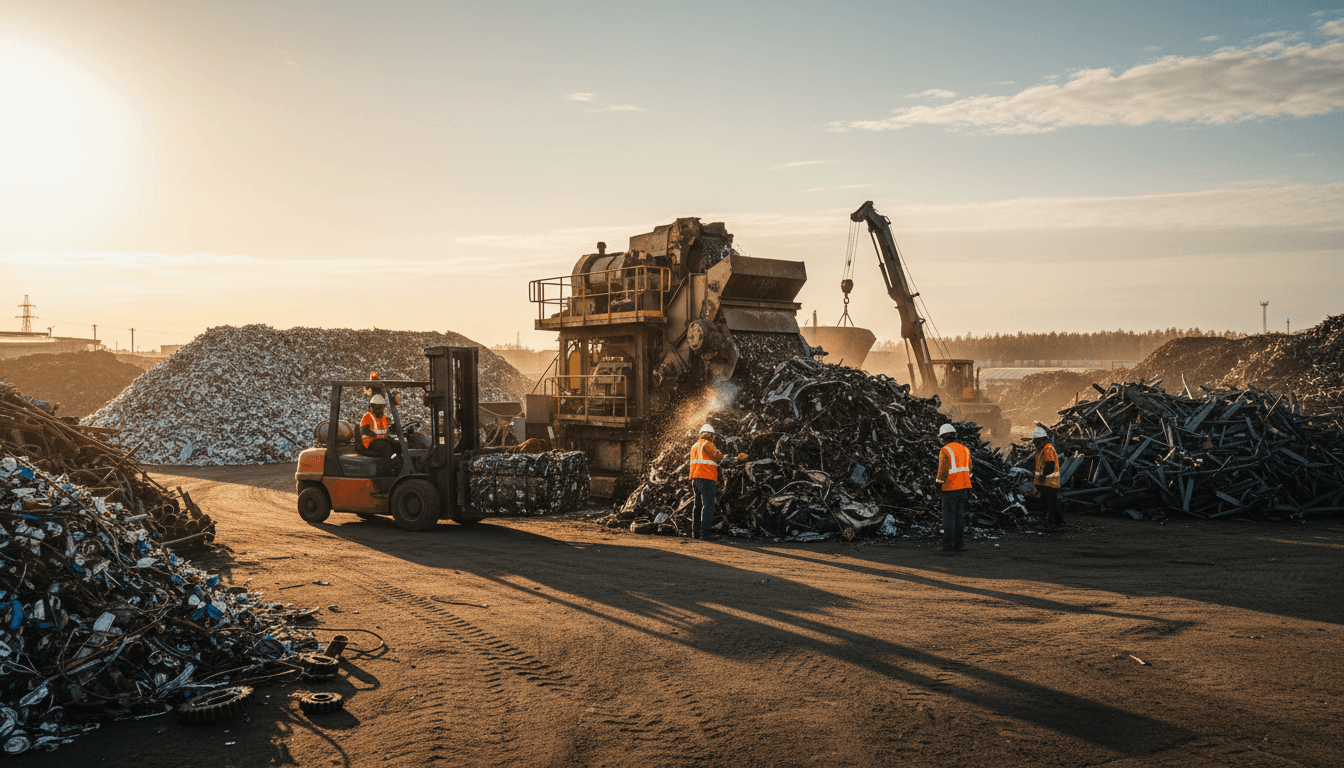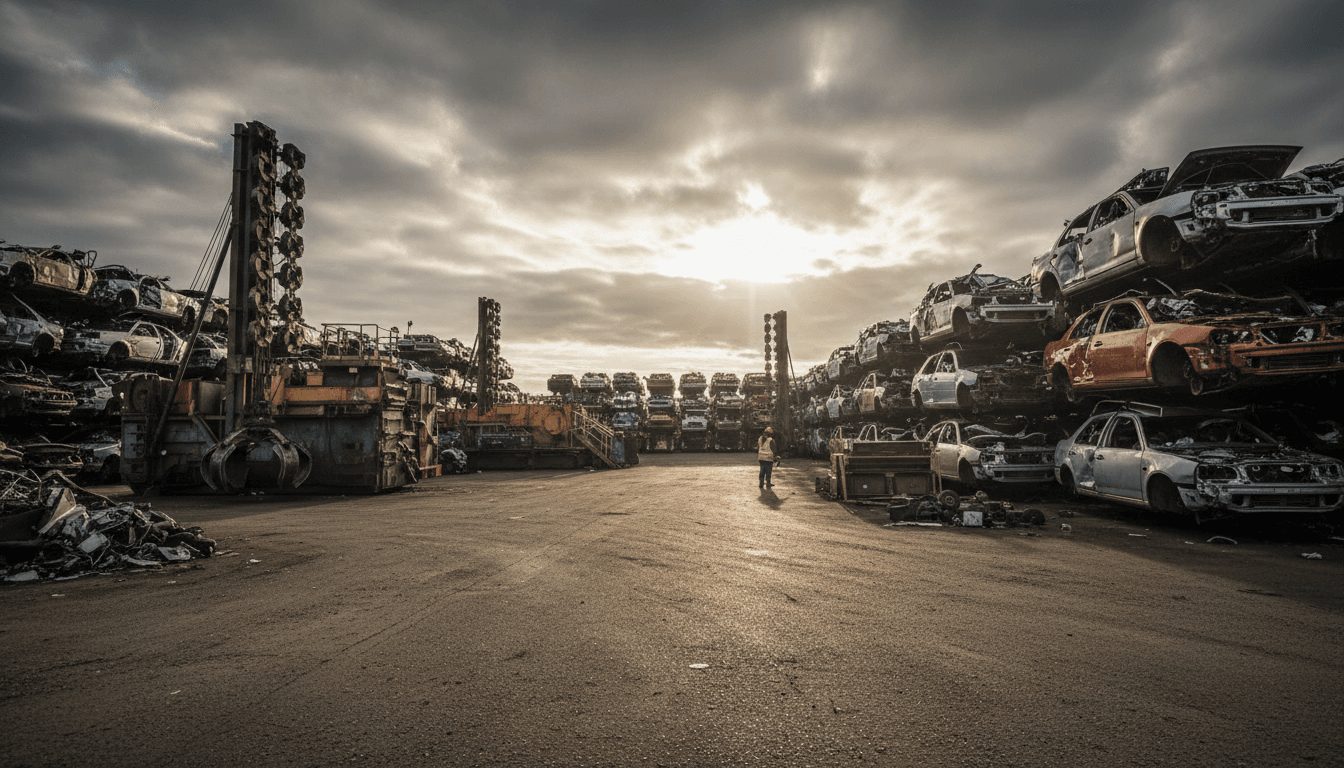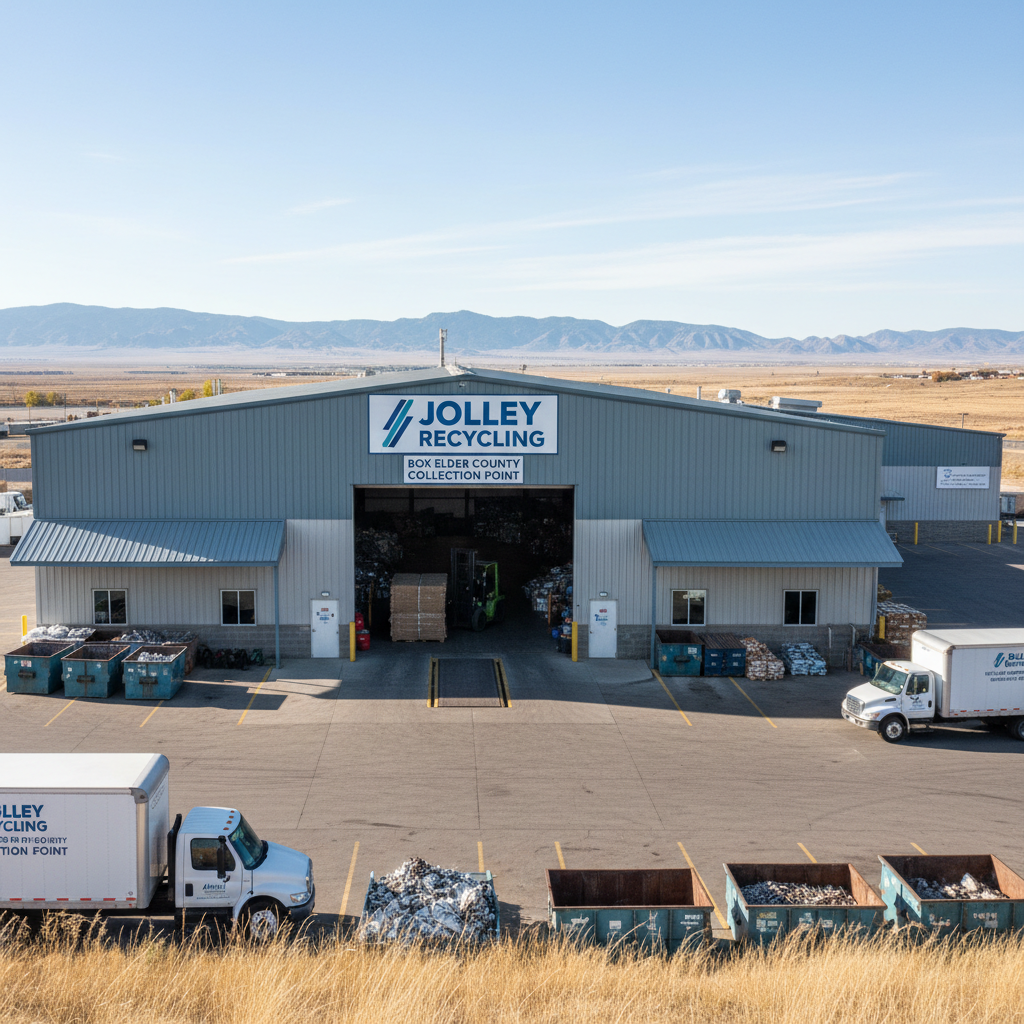
Construction contractors save money through construction waste recycling Box Elder County by reducing landfill tipping fees and minimizing overall disposal expenditures. Salvaging materials such as scrap metal, wood, and concrete also creates new revenue streams and lowers procurement costs for future building projects.
Mounting tipping fees and the logistical strain of hauling debris from Northern Utah job sites are more than just an inconvenience; they are direct threats to your project’s profitability. In Box Elder County, traditional waste management often means paying high prices to bury valuable materials that could otherwise be salvaged and repurposed. This guide explores the practical ways construction contractors can lower overhead by implementing a strategic recycling plan. We will examine the top recyclable materials found on local sites, the financial incentives that extend beyond simple disposal fees, and how a streamlined recovery process can improve your operational efficiency. By partnering with Jolley Recycling, you can transform your waste stream into a cost saving opportunity while supporting the local economy and maintaining a cleaner, more organized job site.
The Rising Costs of Job Site Disposal in Northern Utah
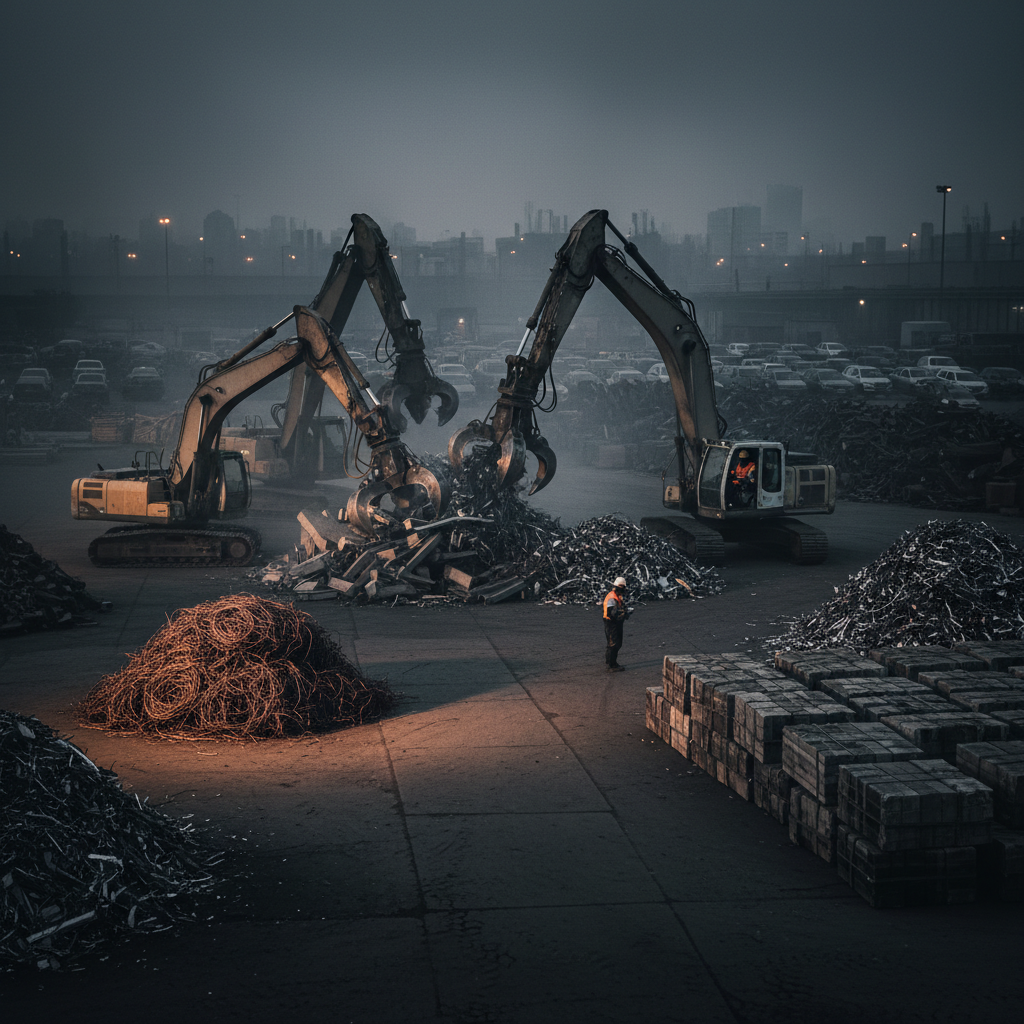
Contractors in Box Elder County are feeling the squeeze of rising operational costs, from fuel to raw materials. One area often overlooked until it hits the balance sheet is waste disposal. As regional landfills reach capacity, the cost to dump construction debris is climbing steadily. Projections for 2026 suggest that commercial trash disposal rates in Northern Utah could reach 50 dollars per ton. For a site supervisor in Brigham City or Tremonton, these tipping fees represent a significant drain on project margins that could otherwise be allocated to labor or materials.
The traditional approach of throwing all debris into a single roll-off is becoming an expensive habit. When you mix heavy masonry with scrap metal and dimensional lumber, you pay the maximum weight price for materials that actually hold value. Integrating construction waste recycling Box Elder County strategies allows you to separate high-weight, low-cost recyclables from actual trash. While landfill fees are a pure expense, recycling programs often feature significantly lower intake fees. In some cases, high-value materials like copper or steel can even generate rebates, turning a disposal cost into a minor revenue stream.
Moving toward reliable recycling services is no longer just an environmental choice; it is a financial necessity. To stay competitive in a market where every dollar counts, local contractors must pivot away from total landfill reliance. Managing one-time material recovery projects or setting up ongoing site bins helps lock in lower overhead before the 2026 rate hikes take full effect. Proactive waste management ensures that when disposal costs inevitably rise, your firm has already optimized its sorting process to keep your bids lean and your profits intact.
Top Recyclable Materials on Box Elder County Job Sites

Identifying the specific components of your waste stream is the first step toward reclaiming those lost margins. On a typical Northern Utah project, the heaviest items are often the most recyclable. By pulling these specific materials out of the general waste stream, you significantly decrease the tonnage sent to the landfill, which is the primary driver of your disposal costs. Jolley Recycling works with contractors to manage these high-volume materials through reliable recycling services tailored to the specific needs of the site.
### High-Value Recovery Materials
Material Category | Specific Examples | Impact on Waste Weight |
|---|---|---|
Scrap Metals | Copper wiring and piping, aluminum siding, steel rebar, and structural beams. | High; these are heavy and often carry the highest rebate value. |
Clean Wood | Dimensional lumber off-cuts (2x4s, 2x6s), untreated pallets, and plywood scraps. | Moderate; bulky wood fills dumpsters quickly, leading to more frequent hauls. |
Corrugated Cardboard | Packaging from appliance installs, cabinetry, and lighting fixtures. | Low weight, high volume; cardboard clogs bins but is easily baled or flattened. |
Masonry & Aggregates | Concrete chunks, brick, and asphalt from demo or site prep. | Extremely high; masonry is the leading cause of overweight dumpster fees. |
Success in construction waste recycling Box Elder County depends on recognizing that not all wood or metal is the same. For example, clean dimensional lumber is far more valuable for recovery than treated or painted wood, which may still require landfilling. Similarly, separating copper and aluminum from mixed steel can turn a disposal task into a profitable recovery.
Focusing on one-time material recovery projects during the demolition or framing phases allows site supervisors to clear massive amounts of weight before the finishing stages begin. When you remove the masonry and heavy steel early, your remaining 'true waste' dumpsters stay light, manageable, and significantly less expensive. This organized approach prevents the common mistake of paying premium per-ton rates for heavy materials that have inherent value elsewhere.
Financial Benefits Beyond Lower Tipping Fees
Beyond the immediate reduction in disposal costs, implementing a strategy for construction waste recycling Box Elder County positions a firm for higher-value contracts. By 2026, many municipal projects in Northern Utah will require detailed waste diversion reports as part of the standard bidding process. Contractors who can demonstrate a high percentage of material recovery often find themselves at the top of the list for state and city contracts. This documentation serves as more than just proof of environmental stewardship; it is a verifiable record of operational efficiency that appeals to high-end residential clients and commercial developers who prioritize sustainability.
For those pursuing LEED (Leadership in Energy and Environmental Design) certification on new builds, documented recycling is a primary requirement for earning points. Partnering with a provider of reliable recycling services ensures that you have the necessary data to claim these credits, which can increase the overall value and marketability of the finished property. These projects often command a premium, allowing contractors to justify higher margins while meeting strict local sustainability requirements.
Furthermore, businesses that implement formalized waste reduction plans may qualify for specific tax incentives or business credits at the state or federal level. By diverting heavy loads through one-time material recovery projects, a firm reduces its environmental footprint, which can lead to lower insurance premiums in some categories or access to specialized green business grants. In a tight market, these secondary financial gains provide a critical buffer against inflation and rising material costs, turning your waste management process into a strategic asset.
How to Set Up an Efficient Construction Waste Recycling Plan
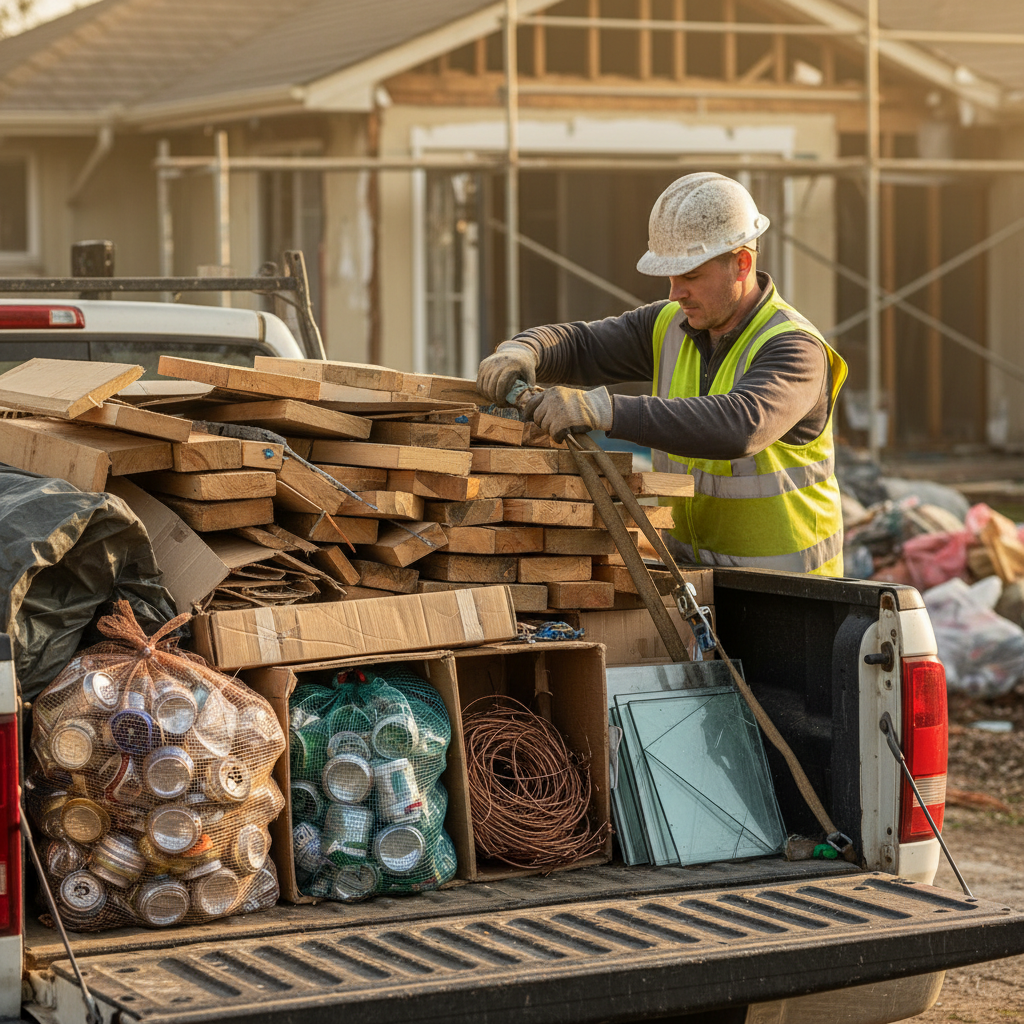
Successful implementation of construction waste recycling Box Elder County projects begins before the first excavator arrives on site. Site supervisors must choose between source separation and commingled recycling based on the physical footprint of the lot and the available labor. Source separation involves placing distinct bins for individual materials like metal, cardboard, and wood. This method typically results in the lowest tipping fees because the materials require less processing once they arrive at the facility. For smaller, tighter sites in downtown Brigham City where space is at a premium, a commingled approach may be necessary, though it often lacks the rebate potential of separated loads.
Efficiency relies on a strategic site layout. Designate specific zones for high-volume materials and position these bins in high-traffic areas where debris is generated. For example, placing a cardboard bin near the appliance unboxing area or a metal bin near the plumbing and HVAC staging zones prevents workers from carrying heavy items across the site. This upfront organization is a proactive measure; it eliminates the need for expensive, manual back-end sorting labor that often eats into a project's final profit margins.
Contamination is the primary reason recycling efforts fail or become costly. Clear, color-coded signage is essential to ensure that site crews and subcontractors understand exactly what belongs in each container. A common mistake is allowing lunch scraps, plastic wrap, or food waste into a dedicated metal or cardboard bin. Even a small amount of organic waste can disqualify an entire load from being processed as a high-value recyclable. By integrating reliable recycling services into the initial site safety and orientation briefing, you set a standard for the entire crew. Supervisors who treat one-time material recovery projects with the same level of oversight as the build itself will see the most significant impact on their bottom line.
Partnering with Jolley Recycling for Local Material Recovery
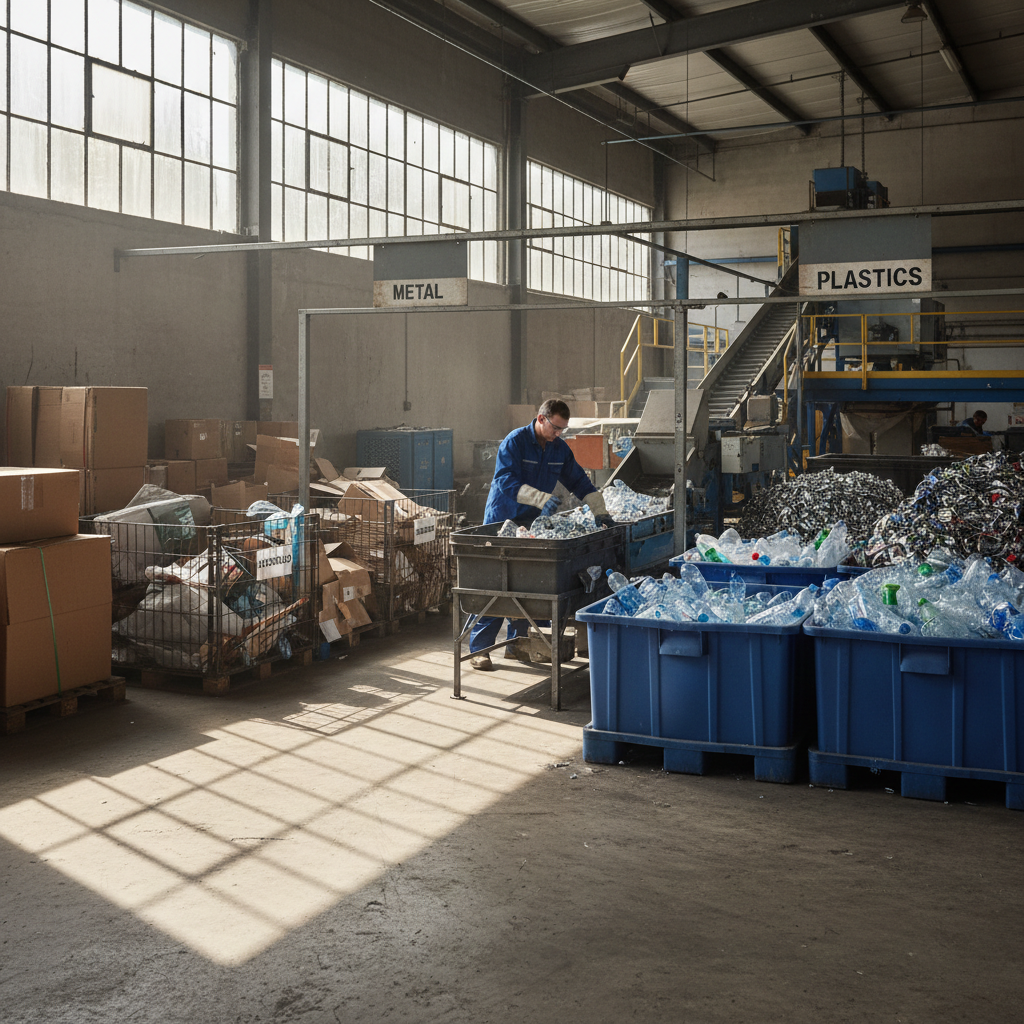
Navigating the logistics of construction waste recycling Box Elder County requires a partner that understands the local terrain. While national waste conglomerates often prioritize high-volume municipal contracts and standardized routes, Jolley Recycling provides a hands-on alternative tailored to the specific needs of Northern Utah contractors. Our team works directly with site supervisors to implement recovery systems that actually work in the field, rather than just on paper.
Operating within Box Elder County municipalities like Brigham City, Tremonton, and Perry allows us to keep transportation costs significantly lower than providers hauling materials to distant regional hubs. Shorter transit distances mean fewer fuel surcharges and more responsive service for your job site. We offer the flexibility to manage one-time material recovery projects, such as a weekend demolition, as well as reliable recycling services for long-term commercial developments.
By choosing a local processor, you ensure that your project's environmental impact and financial investment stay within the community. We provide the documentation and sorting expertise necessary to keep your bins clean and your tipping fees low. To discuss a customized waste diversion plan for your next project, you can contact Jolley Recycling to speak with a local expert who knows the Box Elder County landscape.
Common Questions About Construction Waste Recycling in Box Elder County
Navigating the logistics of disposal requires clear information on costs and capabilities. Below are the most frequent questions regarding construction waste recycling Box Elder County projects.
Is construction waste disposal expensive in Utah? Yes, and costs are rising. Landfill tipping fees in Northern Utah are projected to reach 50 dollars per ton by 2026. Without a diversion plan, contractors pay premium rates for heavy debris that could otherwise be processed at a much lower cost. Using reliable recycling services is the most effective way to avoid these weight-based surcharges.
What construction materials can be recycled? Most job site debris is recoverable if kept free of contamination. Key materials include: - Metals: Copper, aluminum, steel, and rebar. - Wood: Clean, untreated dimensional lumber and pallets. - Masonry: Concrete, brick, and asphalt. - Packaging: Corrugated cardboard from appliances and fixtures.
How does recycling benefit the local community? Diverting waste extends the operational life of local landfills, delaying the need for expensive new sites. It also supports local employment and keeps valuable raw materials within the regional economy.
Can I get help with a single project? Yes. Jolley Recycling manages one-time material recovery projects for demolition or specific build phases. For ongoing needs, we provide organized systems tailored to commercial sites. If you have specific questions about a current job site, you can contact Jolley Recycling for expert guidance on local disposal regulations.
Construction waste recycling provides a practical way for Box Elder County contractors to reduce overhead and improve project efficiency. By reclaiming materials instead of paying high disposal fees, you can significantly protect your project's profit margins. If you want expert help managing these logistics or setting up a site plan, you can learn more about us and our commitment to local builders. We are dedicated to making sustainable waste management a simple, seamless part of your daily operations.