Residents and businesses in Box Elder County can safely dispose of electronic waste by utilizing local drop-off points or certified centers that provide electronics recycling near me. These professional services prioritize data security through certified destruction methods to ensure sensitive information is completely wiped before the hardware is recycled.
Staring at a pile of outdated tablets, tangled power cords, and retired desktop towers can be overwhelming. Most residents and business owners in Box Elder County want to clear the clutter, but they often hesitate because they fear sensitive data might fall into the wrong hands or that these items will end up in a local landfill. At Jolley Recycling, we understand that electronics disposal is a matter of both environmental responsibility and personal security. This guide simplifies the process of finding reliable electronics recycling near you. You will learn exactly which devices qualify as e-waste, the critical differences between software wiping and physical drive destruction, and how our commercial services support the growing technological needs of Northern Utah. By the end of this article, you will have a clear roadmap for protecting your privacy while keeping our community clean.
The Growing Need for E-Waste Solutions in Northern Utah
Box Elder County continues to see a rapid increase in electronic turnover as technology cycles shorten for both residents and local businesses. Currently, electronic waste is the fastest growing waste stream globally, and our local community is no exception. As residents upgrade smartphones or decommission office servers, the volume of discarded hardware accumulates quickly. Finding accessible electronics recycling near me becomes a priority for those who understand that these items do not belong in a standard landfill.
Unlike organic waste or simple scrap, electronics contain hazardous materials such as lead, mercury, and cadmium. If these heavy metals leach into the ground, they pose a direct threat to our local environment. In Northern Utah, we have a unique responsibility to protect the Bear River Migratory Bird Refuge and the surrounding watershed. Preventing toxic runoff is essential to maintaining the health of the soil and water that local wildlife and agriculture depend on.
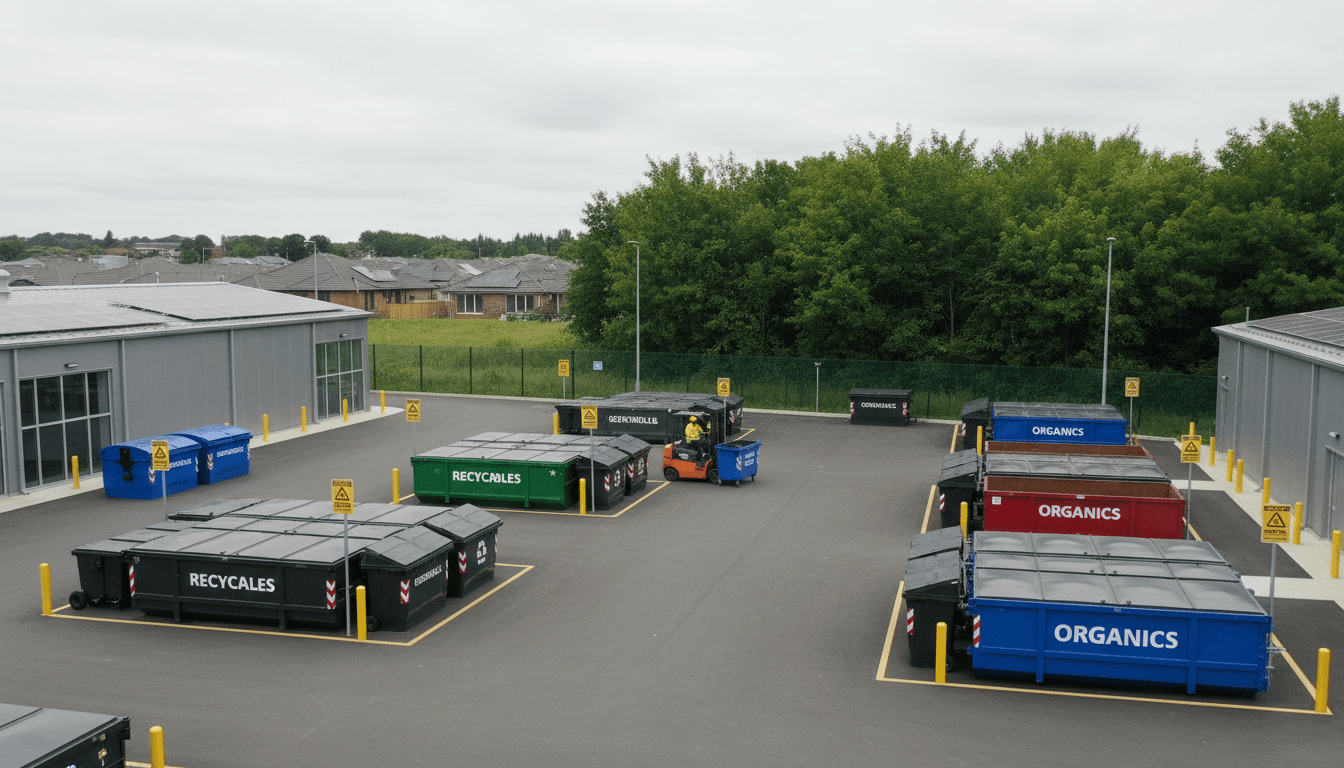
Jolley Recycling provides reliable recycling services designed to address these specific environmental concerns. By utilizing organized systems for collection and sorting, we ensure that discarded devices are managed with technical precision. For those managing business upgrades, our commercial recycling services offer a structured way to handle large volumes of hardware responsibly. You can learn more about Jolley Recycling and our commitment to practical, local waste solutions as we explore the specifics of material recovery.
What Qualifies as E-Waste: More Than Just Computers

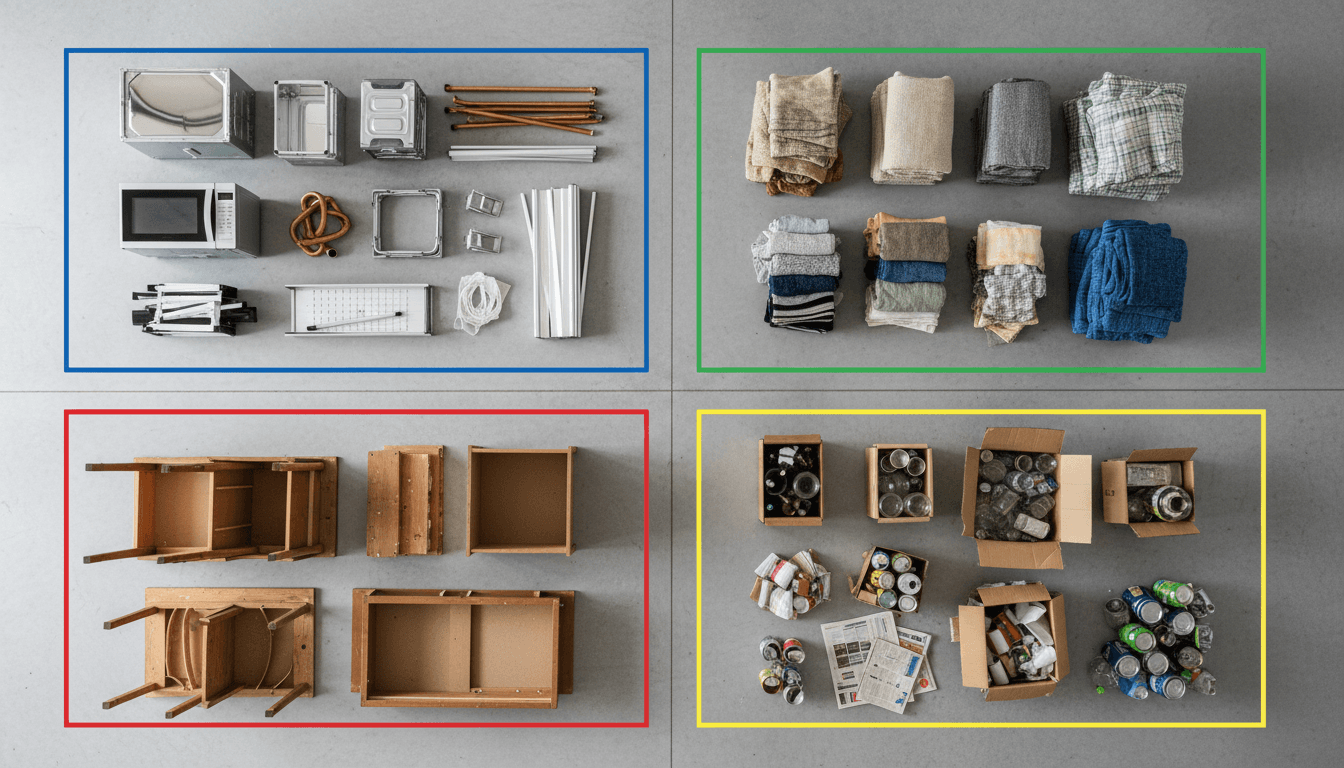
Identifying what fits into the e-waste category is the first step toward an organized recovery plan. Many people limit their definition to computers, but the scope of electronics recycling near me is much broader. At Jolley Recycling, we categorize these materials to help residential and commercial clients sort their loads effectively. Most items fall into three primary groups:
Computing: Laptops, desktop towers, servers, and tablets.
Communication: Smartphones, older mobile phones, landline office sets, and VOIP systems.
Peripheral and Office Gear: Printers, scanners, monitors (both CRT and flat panel), keyboards, and mice.
Residents frequently search for TV recycling near me because televisions are bulky and contain hazardous components like leaded glass or mercury backlighting. These items, along with large office plotters or industrial scanners, require professional handling to ensure they do not end up in local landfills.
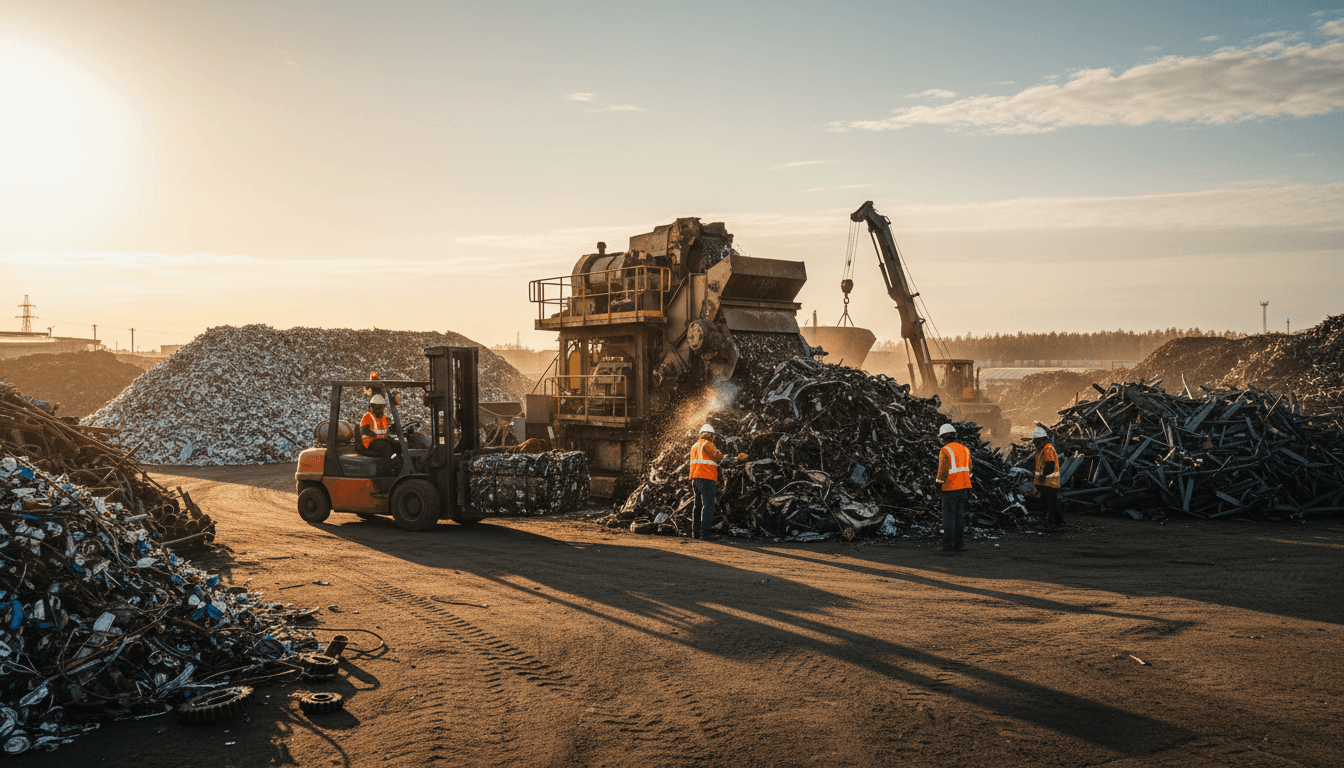
Functional status does not determine an item's recyclability. If you are researching how to dispose of a laptop that won't turn on, understand that its value lies in its constituent materials rather than its performance. Broken or obsolete devices are rich sources of raw materials. Motherboards and processors contain gold and silver; power cords and internal wiring are high-grade copper; and chassis are often made of high-quality aluminum or steel. By utilizing reliable recycling services, you ensure these precious metals are recovered and returned to the manufacturing supply chain, reducing the need for new mining and protecting the Box Elder County landscape.
Data Security: How to Protect Your Privacy Before Recycling

Once you have identified which devices are destined for material recovery, the priority shifts to data sanitation. Recovering copper or gold is the goal for the recycler, but protecting your identity is your primary responsibility. A common question residents ask is, "What should you do to a laptop before you recycle it?" The process involves three distinct layers: backup, account dissociation, and drive sanitization.
First, secure your files. Move essential documents, photos, and databases to a cloud service or a physical external drive. While residents often prefer the convenience of cloud solutions, small businesses in Box Elder County frequently use physical backups for large-scale data retention. Second, sign out of all accounts. Unlinking the device from your Apple ID, Microsoft account, or Google profile is crucial. This step prevents future users from accessing synced data and ensures your software licenses are not tied to a decommissioned machine.
Understanding the difference between deleting and wiping is critical for privacy. When you delete a file, the operating system simply removes the pointer to that data, leaving the actual information on the platter or flash chip until it is overwritten. To ensure data is unrecoverable, you must use a secure wiping tool or a factory reset that includes data erasure.
Method | How it Works | Security Level |
|---|---|---|
Deleting | Removes the file name from the index | Low (Data is still there) |
Formatting | Clears the address table | Medium (Can be recovered) |
Secure Wiping | Overwrites sectors with random data | High (Industry Standard) |
For those handling sensitive financial or medical records, removing the hard drive or solid state drive entirely is the safest bet. Once the drive is removed, the remaining shell is still highly valuable. The motherboard, RAM, power supply, and aluminum casing are all processed through reliable recycling services to recover raw materials. For local businesses managing fleet upgrades, these steps are a foundational part of commercial recycling services designed to mitigate data breach risks. After your data is wiped or the drive is removed, finding electronics recycling near me ensures the remaining hardware is handled with the expertise about Jolley Recycling that our community expects.
Physical Drive Destruction vs. Software Wiping
Choosing between software wiping and physical destruction depends on your goals for security and sustainability. Software wiping uses specialized programs to overwrite every sector of the drive with random data. This method is the more environmentally friendly choice because it keeps the hardware intact for refurbishment and reuse. It effectively extends the lifecycle of the component, though it requires time and technical verification to ensure the process was successful.
Physical destruction involves shredding or drilling through the platters of a hard drive or the chips of a solid state drive. This provides absolute certainty that data is unrecoverable, making it a standard for high security commercial recycling services. The trade off is that the drive becomes scrap metal rather than a functional component. For most residents searching for electronics recycling near me, software wiping is sufficient, while businesses often opt for physical destruction to meet strict compliance standards.
A common question we hear is, "Will removing the hard drive from a laptop erase everything?" While the drive holds your files, removing it does not complete the recycling process. The motherboard, RAM, and internal circuitry still contain trace materials and heavy metals that require professional management. About Jolley Recycling, we focus on capturing every recyclable component of the machine. Even after the drive is destroyed or removed, the remaining hardware must be processed through reliable recycling services to prevent environmental contamination in Box Elder County.
Commercial Electronics Recycling for Box Elder County Businesses
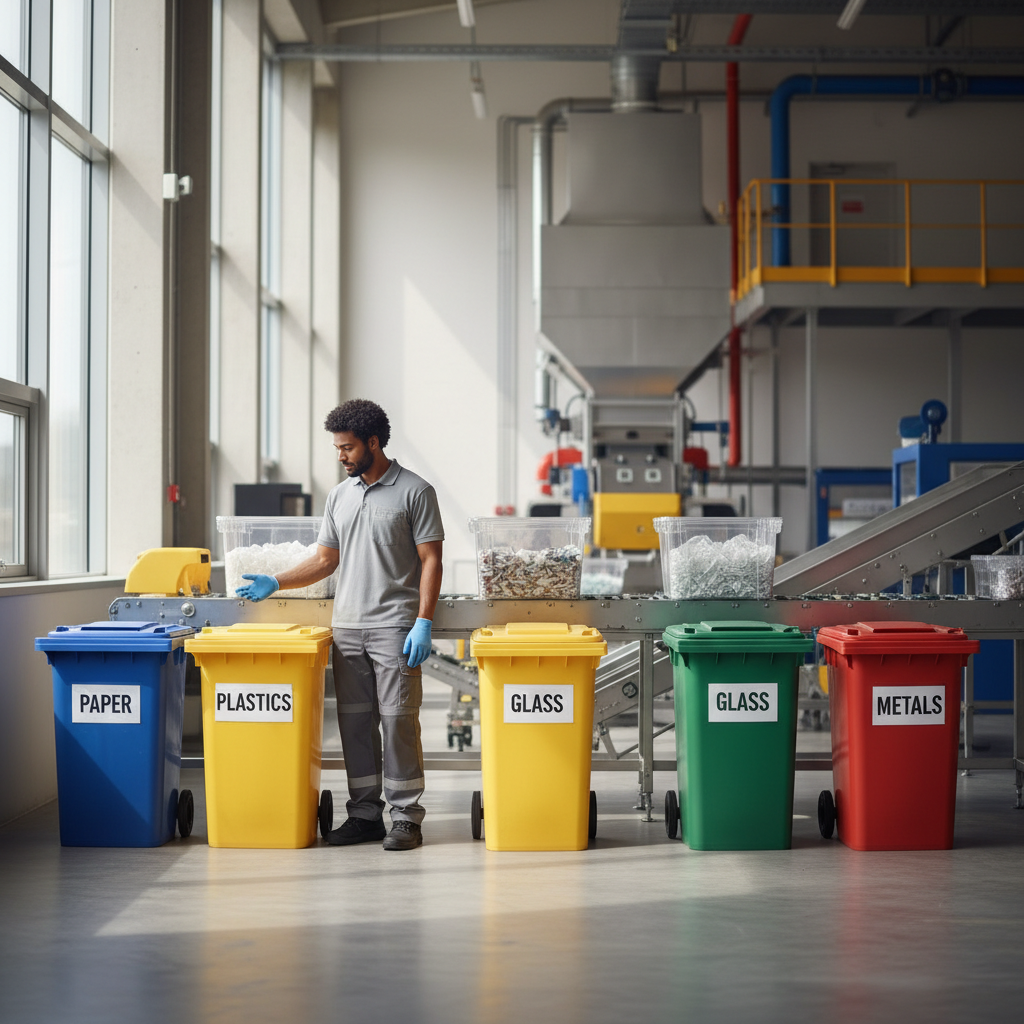
For businesses operating in Brigham City, Tremonton, and Perry, managing hardware end-of-life is more than a chore; it is a liability management task. Commercial entities generate e-waste at a higher volume and frequency than individual households. When an office upgrades its entire server rack or replaces dozens of workstations, the logistics of finding electronics recycling near me change from a simple drop-off to a coordinated collection effort.
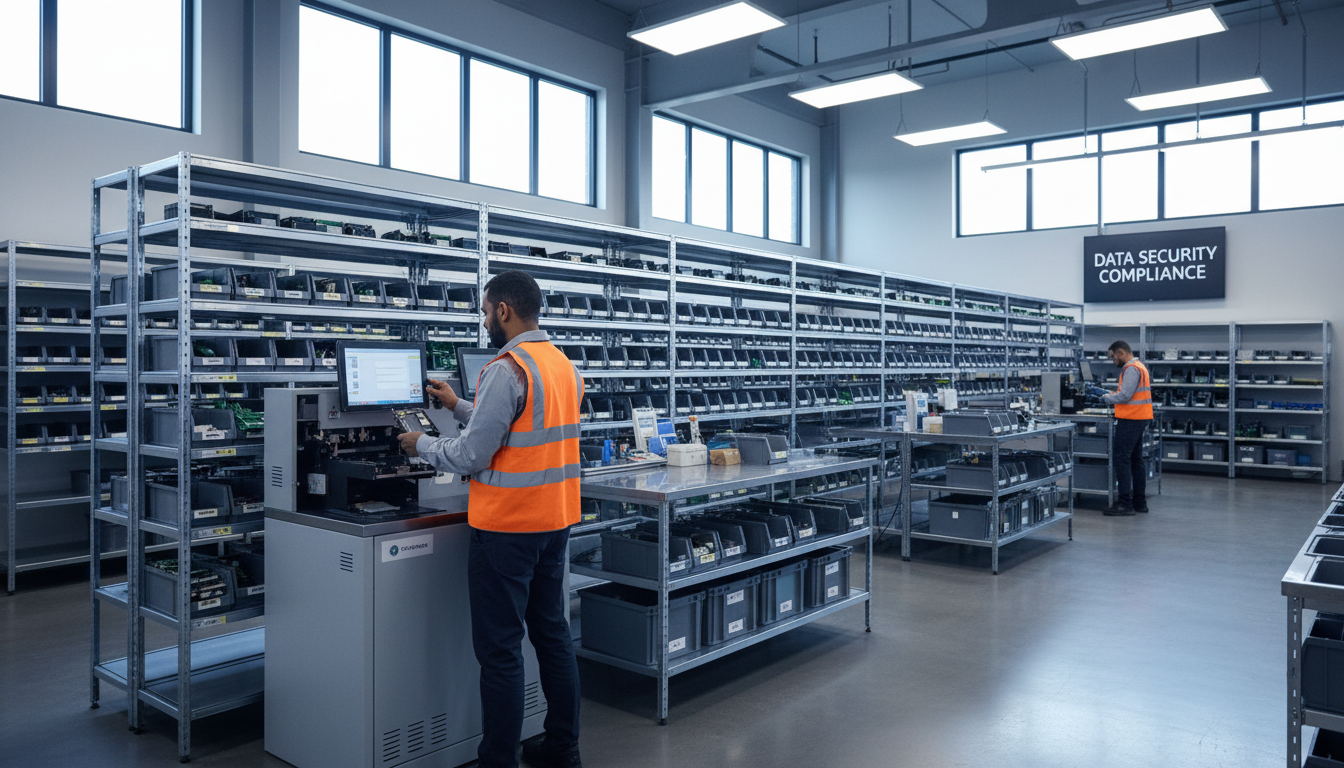
Security is the primary differentiator between residential and commercial disposal. Placing decommissioned computers in standard dumpsters invites the risk of dumpster diving, where individuals target business waste to find drives containing proprietary data, employee records, or customer financial information. Identity theft and data breaches are significant risks that require a documented approach to material recovery. By utilizing commercial recycling services, local businesses ensure their hardware is moved directly from their facility to an organized sorting environment rather than sitting in an unsecured bin.
Jolley Recycling acts as a strategic partner for these organizations, offering organized systems to handle large-scale material recovery. For industrial clients in Box Elder County, e-waste is often one component of a broader waste reduction goal. We integrate electronics collection into comprehensive programs that may also include scrap metal and cardboard recovery. This holistic approach ensures that every material stream is optimized for efficiency and environmental compliance. Understanding the hands-on, local approach about Jolley Recycling helps businesses maintain their focus on operations while we manage the technicalities of reliable recycling services for their outdated equipment.
Where to Find Electronics Recycling Near Me in Box Elder County
Residents in Box Elder County have several tiers of options based on the volume and type of equipment they need to discard. For those with a single device, such as an old printer or a smartphone, national office supply or technology retailers often provide convenient drop-off kiosks. A frequent question regarding these programs is whether these retailers can wipe a computer clean for the user. Generally, these stores do not perform data sanitization as part of a free recycling drop-off. The responsibility for wiping the drive or performing a factory reset remains with the owner before the item enters a communal collection bin.
Local municipal sites and landfills in the county might accept certain electronics, but there is a critical distinction between disposal and material recovery. Landfills are designed for containment and burial. In contrast, reliable recycling services focus on sorting and extracting reusable components. Choosing a professional recycler ensures that toxic elements are diverted from the local environment while gold, copper, and high-grade plastics are returned to the manufacturing stream.
Jolley Recycling supports larger residential cleanouts, contractor projects, and community-wide recovery efforts. When a project involves multiple monitors, desktop towers, or mixed peripheral gear, a local provider offers the organized logistics that retail bins cannot accommodate. For regional companies, our commercial recycling services include scheduled pickups and bulk sorting, providing a structured chain of custody for sensitive hardware. You can find more information about Jolley Recycling and how we help Brigham City, Tremonton, and Perry maintain a sustainable and secure waste management strategy. By choosing specialized providers when searching for electronics recycling near me, residents contribute to a more efficient and environmentally responsible local economy.
Protecting your data while recycling old electronics is crucial for both security and environmental health. Whether you are a local business or a resident in Box Elder County, following these steps ensures your sensitive information stays private. While many people choose to handle this process independently, managing hardware disposal can become complex. If you want expert help to ensure every device is handled correctly, you can learn more about our team and how we support the community. We are here to make your recycling efforts safe and straightforward.