What happens to recycling in Box Elder County is a systematic process where materials are collected, sorted, and sent to specialized refining facilities to be transformed into new products. Most recovered items, including steel and paper, are processed by Utah-based companies to support local manufacturing and ensure that household waste is effectively repurposed.
Most residents in Box Elder County toss a plastic bottle or a cardboard box into their blue bin and hope for the best, yet they often harbor a nagging doubt that their efforts are destined for the landfill. This uncertainty creates a disconnect between the act of recycling and the tangible results of material recovery. At Jolley Recycling, we believe that transparency is the foundation of a sustainable community. Understanding how your waste transforms into valuable raw materials is critical for improving local efficiency and reducing costly contamination. In this guide, we will walk you through the entire journey of your recyclables. You will learn about our local collection routes, the sophisticated sorting processes at our facility, and the specific lifecycles of cardboard, metal, and plastic. We will also address common mistakes to ensure your contributions truly support the Utah economy.
The Mystery of the Blue Bin: Why Knowing the Journey Matters
Many residents and business owners in Box Elder County share a common skepticism; they wonder if the items they carefully sort actually get processed or if the bin simply goes to the landfill. This doubt is understandable given the global headlines about waste management and shifting international markets. However, understanding what happens to recycling requires a local perspective. For those in Tremonton, Brigham City, and our surrounding rural areas, the logistics differ significantly from the high volume systems found in Salt Lake City.
Jolley Recycling serves as the local expert, providing reliable recycling services and specialized one-time material recovery projects that prioritize actual diversion from the landfill. Looking toward 2026, transparency has become a defining trend in the industry. People no longer want to toss items away and hope for the best; they want to see the trail. This article pulls back the curtain on the local process, showing how materials move from your bin through specific regional channels. By demystifying the journey, we can move past the myths and focus on the practical, hands on steps that keep Box Elder County clean and sustainable.
Step One: Local Collection and the Role of Jolley Recycling
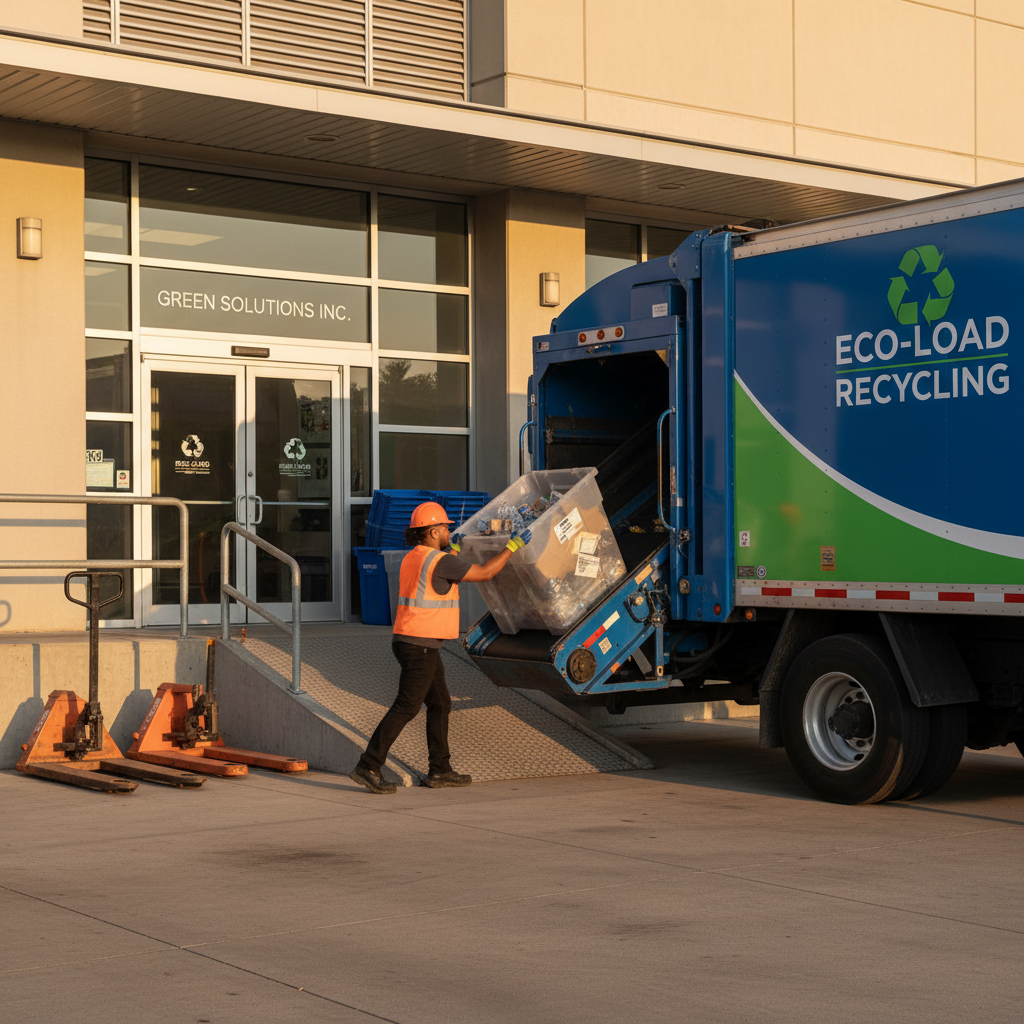
The journey begins with the physical collection of materials. In Box Elder County, this means navigating diverse settings, from the residential streets of Brigham City to industrial sites on the outskirts of Tremonton. Unlike large national waste haulers that often operate on a high volume, low oversight model, Jolley Recycling utilizes a hands on approach to ensure the system remains organized. This local oversight is critical because it allows for a more reliable assessment of the material quality before it even leaves the site.
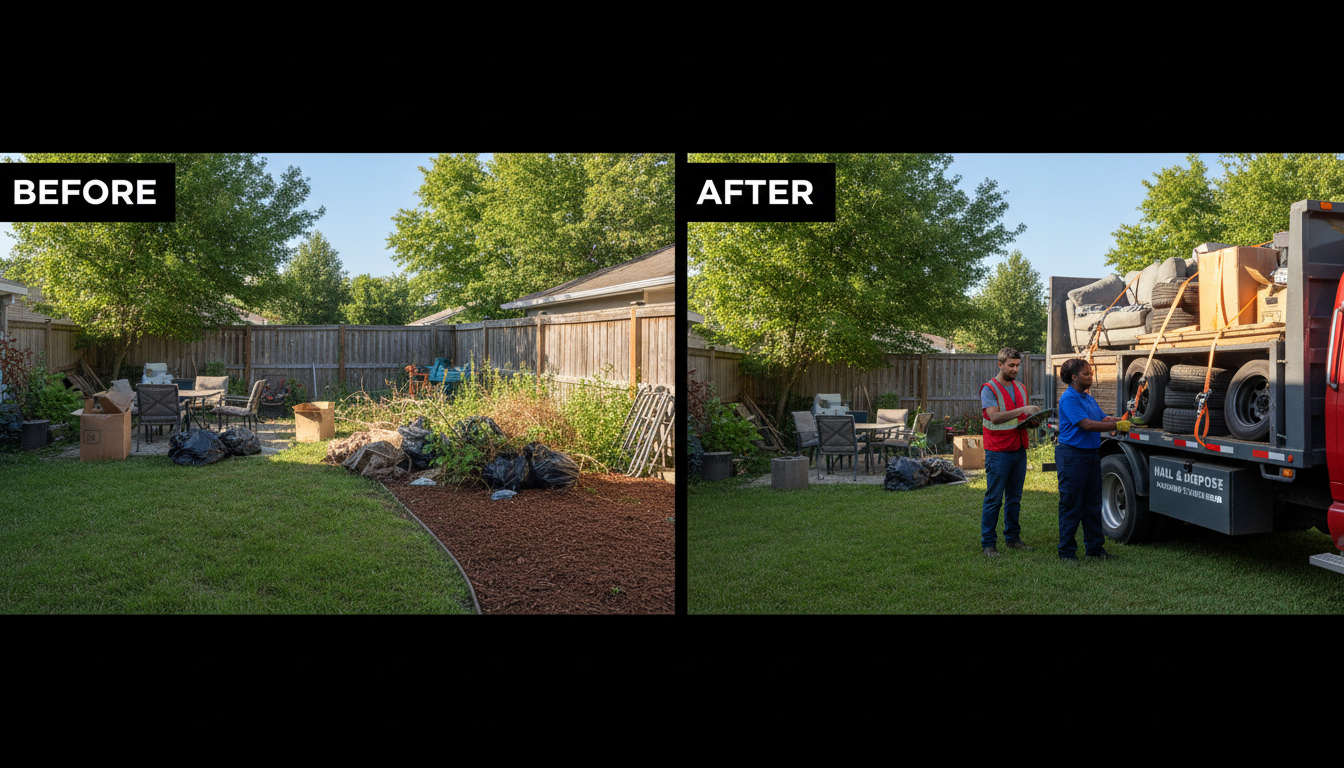
Residential curbside collection focuses on standard recyclables gathered at regular intervals. In contrast, one-time material recovery projects and ongoing commercial services are tailored to the specific outputs of a business or contractor. A construction site might generate large quantities of source separated wood or metal, while a retail business might focus exclusively on cardboard. By offering specialized reliable recycling services, we ensure that these high volume streams are managed efficiently. This organized intake is the first step in determining what happens to recycling later in the process; better sorting at the start leads to higher recovery rates at the facility. This hands on, local method ensures that materials are not just hauled away, but are prepared correctly for the next phase of processing.
Step Two: Sorting and Processing in the Modern Facility
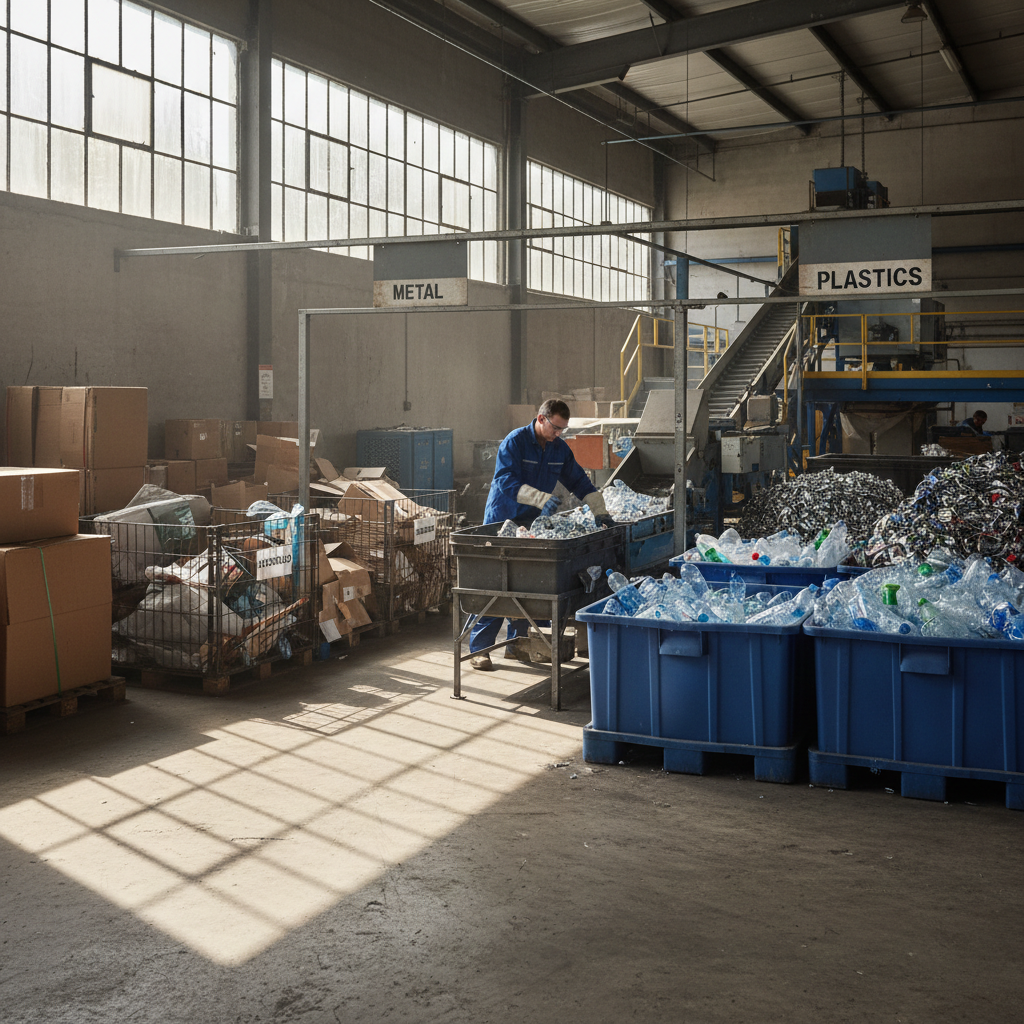
Once Jolley Recycling delivers materials to a Material Recovery Facility (MRF), the process moves into a highly coordinated sequence of separation. The goal is to turn mixed loads into clean, marketable commodities. This stage is where we truly see what happens to recycling after it leaves the curb or the job site. The facility uses a combination of mechanical physics and human oversight to ensure purity.
Initially, large screens and disc filters use gravity and size to separate heavy items from flat materials like cardboard and paper. Cardboard floats over the top of rotating discs while smaller containers fall through the gaps. Next, powerful magnets extract steel and tin cans. For non-magnetic metals like aluminum, an eddy current separator creates a magnetic field that physically pushes the cans off the conveyor belt into a designated bin.
Optical sorters represent the most sophisticated tools in the line. These machines use infrared sensors to identify the chemical signature of different plastics, such as HDPE (milk jugs) or PET (soda bottles), and use a precise puff of air to shoot them into the correct stream. Despite this high tech approach, human sorters remain essential. They stand at the beginning of the process to manually pull out large contaminants, like plastic film or garden hoses, which can jam the machinery and halt production.
A significant distinction exists between single stream systems and source separated streams. While residential bins are usually single stream, Jolley Recycling often facilitates source separated collections for one-time material recovery projects and industrial contracts. In these cases, materials like clean cardboard or scrap metal are kept apart at the point of generation. This reduces the risk of cross contamination and results in a higher quality raw material. Providing these reliable recycling services ensures that Box Elder materials are prepared to meet the strict standards required by regional processing mills.
What Happens to Cardboard and Paper in Utah
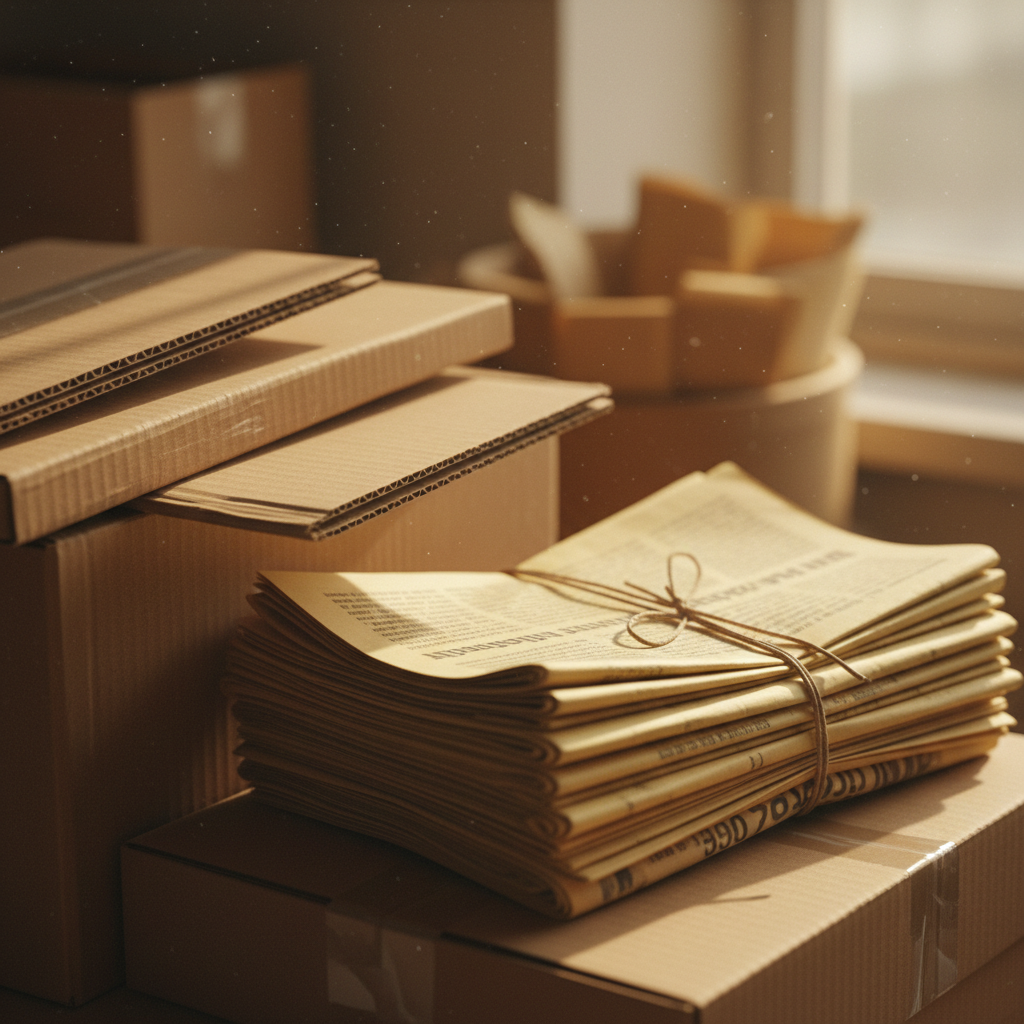
In Box Elder County, cardboard, technically known as Old Corrugated Containers or OCC, represents one of the most consistent and valuable recovery streams, particularly for local contractors and retail businesses. When these materials leave the sorting facility, they typically move to regional processing partners like International Paper or Interwest Paper. These facilities are critical to the Utah circular economy; they ensure that high volumes of fiber remain within the regional supply chain rather than being shipped to distant international markets.
The transformation process begins with pulping. The cardboard and paper are fed into a large vat called a hydrapulper, where they are mixed with water and chemicals to break down the fibers into a thick slurry. During this stage, mechanical screens remove non-fiber contaminants such as plastic tape, metal staples, and residual adhesives. The resulting clean pulp is then refined and sprayed onto moving screens to form new sheets of paper. For cardboard, these sheets are layered and glued to create the corrugated medium found in new shipping boxes.
For businesses utilizing Jolley Recycling for one-time material recovery projects, this process is highly efficient because industrial cardboard is often cleaner than residential mixed paper. Because the Intermountain West has an established infrastructure for fiber, a significant portion of the cardboard collected in our area is processed and back on the market as new packaging in a matter of weeks. By providing reliable recycling services that prioritize clean material streams, we help maintain the high quality required by these regional mills, ensuring that what happens to recycling is a legitimate and local return to the manufacturing cycle.
The Lifecycle of Metal: From Scrap to Steel
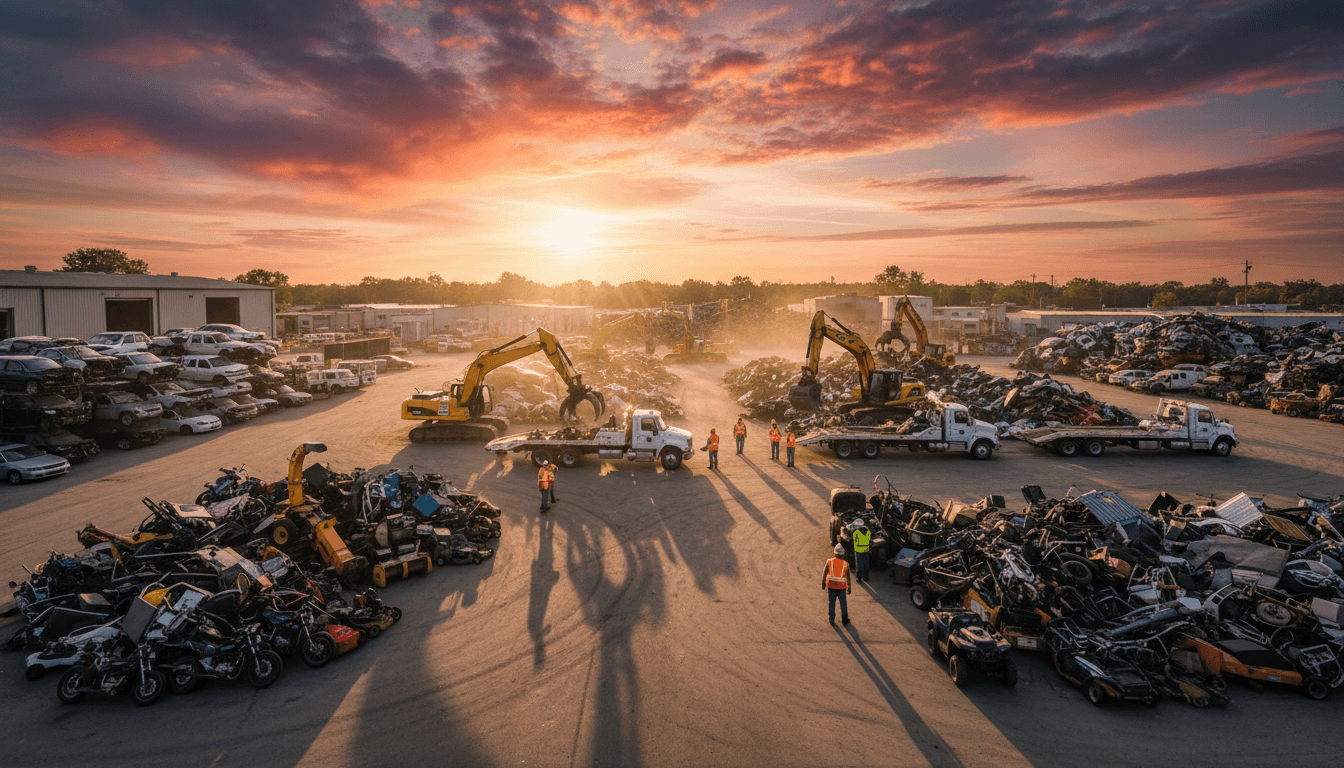
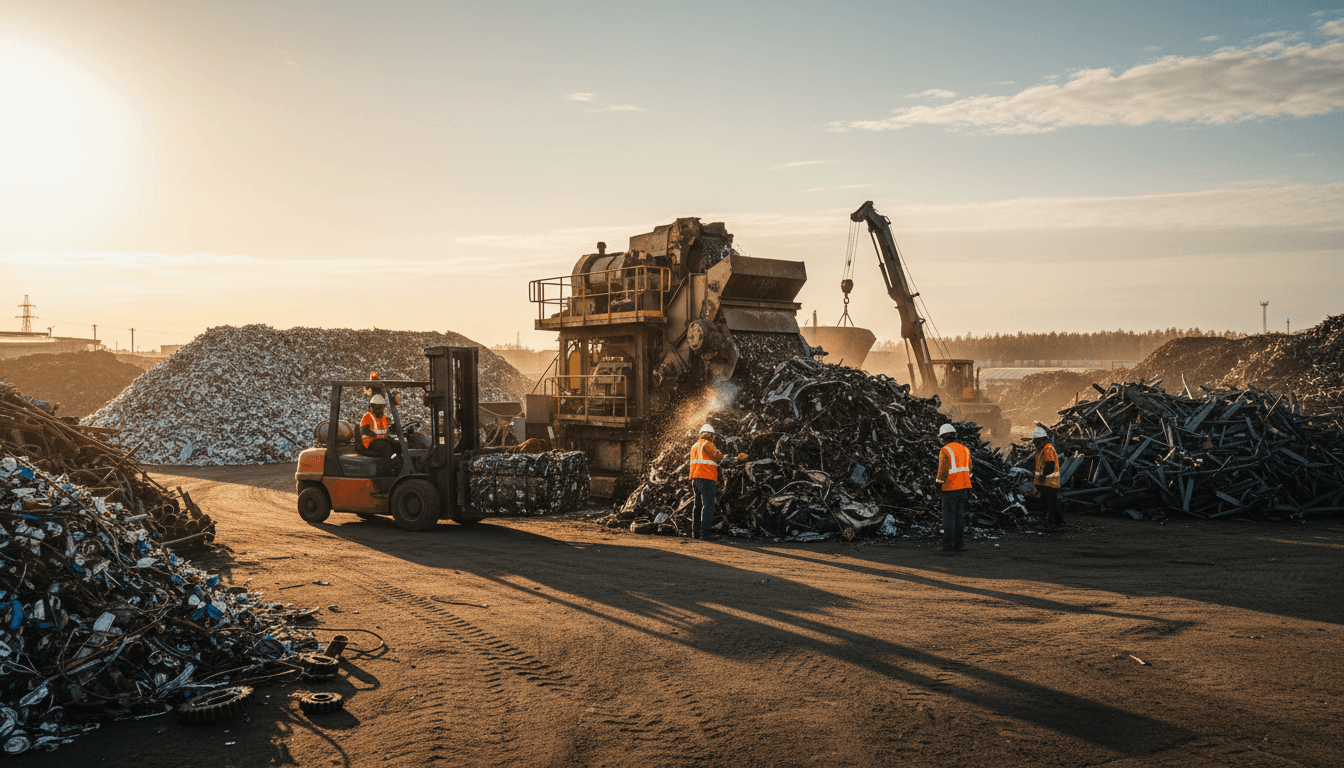
After fiber, metal represents the most durable and infinitely recyclable part of the local waste stream. Aluminum cans and scrap steel follow a distinct path toward rebirth rather than being lost to a landfill. When Jolley Recycling manages these materials, they are typically sorted, baled, and sent to specialized metal processors like those found in the regional hub of Northern Utah. In our state, the metal recycling market is exceptionally robust. More than 50 percent of the steel processed within Utah actually stays in the state, supplying local manufacturers with the raw materials needed for new construction, industrial tools, and infrastructure.
The mechanical transformation occurs in high temperature furnaces where the metal is returned to a molten state. Aluminum cans, once cleaned and shredded, are melted down to form large ingots. These can be rolled into thin sheets and manufactured back into new cans in as little as 60 days. Steel follows a similar path but is often diverted into structural components for local building projects. This process is far more efficient than mining; recycling aluminum saves approximately 95 percent of the energy required to make the same amount from virgin bauxite ore. Steel recycling saves between 60 percent and 74 percent of the energy compared to producing it from raw iron ore.
For residents and businesses, understanding what happens to recycling in the metal category reinforces the importance of reliable recycling services. Whether it is a collection of aluminum beverage containers or heavy industrial scrap from one-time material recovery projects, ensuring these metals reach the furnace is a core part of environmental responsibility. Choosing recycled metal over virgin materials drastically reduces greenhouse gas emissions and limits the environmental degradation caused by mining, keeping the economic and ecological benefits right here in Box Elder County.
Plastics and the Truth About Contamination
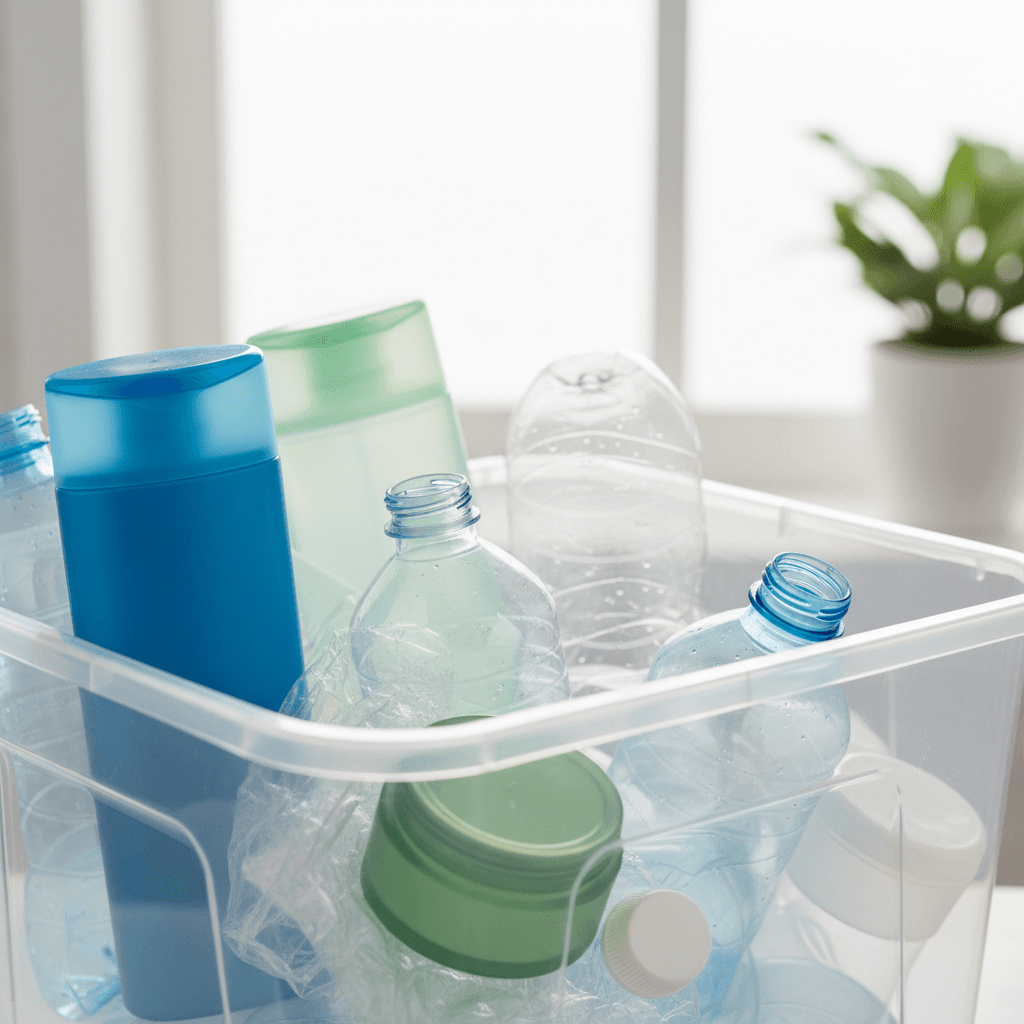
Plastics represent the most complex segment of the local waste stream because the 'recyclable' symbol often creates a false sense of security. The number inside the chasing arrows, known as the resin identification code, indicates the chemical makeup of the plastic, not necessarily its ability to be processed in Box Elder County. Locally, the most reliable markets exist for #1 (PET) bottles and #2 (HDPE) jugs. These materials have a high recovery value and are frequently transformed into new containers, textiles, or plastic lumber through regional processors.
However, the question of what happens to recycling when it reaches the facility often leads to the landfill debate. It is a harsh reality that contamination is the primary reason recycling gets diverted to the trash. If a bale of otherwise high quality plastic is heavily mixed with food waste, oily residues, or non-recyclable 'soft' plastics like grocery bags, it may be rejected by the regional re-manufacturer. Once a bale is deemed contaminated beyond a specific threshold, the labor cost to re-sort it exceeds its market value, which forces the facility to send the entire load to the landfill to avoid damaging their equipment.
To combat this, Jolley Recycling emphasizes the importance of clean material streams at the source. For our commercial partners engaged in one-time material recovery projects, we focus on capturing clear, unmixed plastic waste that meets the strict specifications of Utah's industrial buyers. For residential and small business customers, using reliable recycling services correctly means understanding that quality matters more than quantity. By ensuring that only the correct resin codes enter the bin and that those items are free of organic waste, you directly prevent your materials from becoming landfill fodder. Transparency about these limitations allows us to maintain a functional system that actually benefits the Box Elder environment.
What Happens if You Don't Rinse Your Recycling?
Maintaining a clean stream is the most effective way to ensure what happens to recycling results in a new product rather than a trip to the landfill. While you do not need to run your recyclables through a dishwasher, a quick rinse is essential. Residual food, particularly oils and thick liquids, spreads quickly once items are compressed in a collection truck. A single half full peanut butter jar can leak onto hundreds of pounds of clean cardboard, soaking the fibers and making them impossible to pulp. This type of cross contamination is a primary reason why regional facilities reject otherwise high quality materials.
Beyond preventing fiber damage, rinsing addresses hygiene and machinery performance. Food residue leads to rapid mold growth while items sit in storage, creating health risks for human sorters at the facility. Furthermore, heavy residue can alter the weight or light reflection of a container, causing optical sorting machines to misidentify the material resin. For clients of Jolley Recycling using our reliable recycling services, ensuring containers are empty and dry is a small, practical step that preserves the integrity of the entire local recovery effort.
Common Recycling Mistakes: What Happens When Non-Recyclables Enter the Stream?

Transitioning from simple residue to broader contamination, the most frequent issue in local waste streams is "wish-cycling." This occurs when individuals place non-recyclable items in the bin hoping they can be processed. While well intentioned, this practice causes significant disruptions. Items known as "tanglers," including garden hoses, plastic grocery bags, and strands of lights, wrap around the rotating mechanical screens at the sorting facility. These must be manually cut out by workers, which halts production for hours and damages expensive equipment.
Even more critical are safety hazards like lithium-ion batteries and electronics. When these are compressed in a collection truck or facility baler, they can ignite, causing fires that endanger staff and infrastructure. Jolley Recycling advocates for strict adherence to local guidelines to maintain the integrity of our reliable recycling services. When prohibited items enter the stream, they jeopardize the success of one-time material recovery projects by increasing rejection rates. Understanding what happens to recycling when these mistakes occur emphasizes that a clean, predictable stream is the only way to ensure materials are actually reclaimed.
Supporting the Box Elder Economy Through Material Recovery
The success of a clean material stream directly influences the fiscal health of our local community. A clear understanding of what happens to recycling reveals that every pound of material recovered is a pound that does not incur tipping fees at the landfill. These fees are significant costs for municipalities in Box Elder County; reducing them through effective diversion helps keep local taxes and utility rates stable. When residents and businesses choose Jolley Recycling for reliable recycling services, they are opting for a system that prioritizes these local savings.
Local material recovery also serves as a job creator within Box Elder County. Processing recyclables requires more labor per ton than simple landfilling, and a hands-on approach ensures those wages circulate back into our local towns like Tremonton and Perry. By managing one-time material recovery projects locally, we ensure that the value of scrap metal and fiber stays within the regional supply chain rather than being siphoned off by national corporations. Keeping the environmental and economic benefits within our own borders builds a more resilient community. This local focus ensures that our efforts to recycle right do more than just protect the landscape; they strengthen the very foundation of the Box Elder economy.