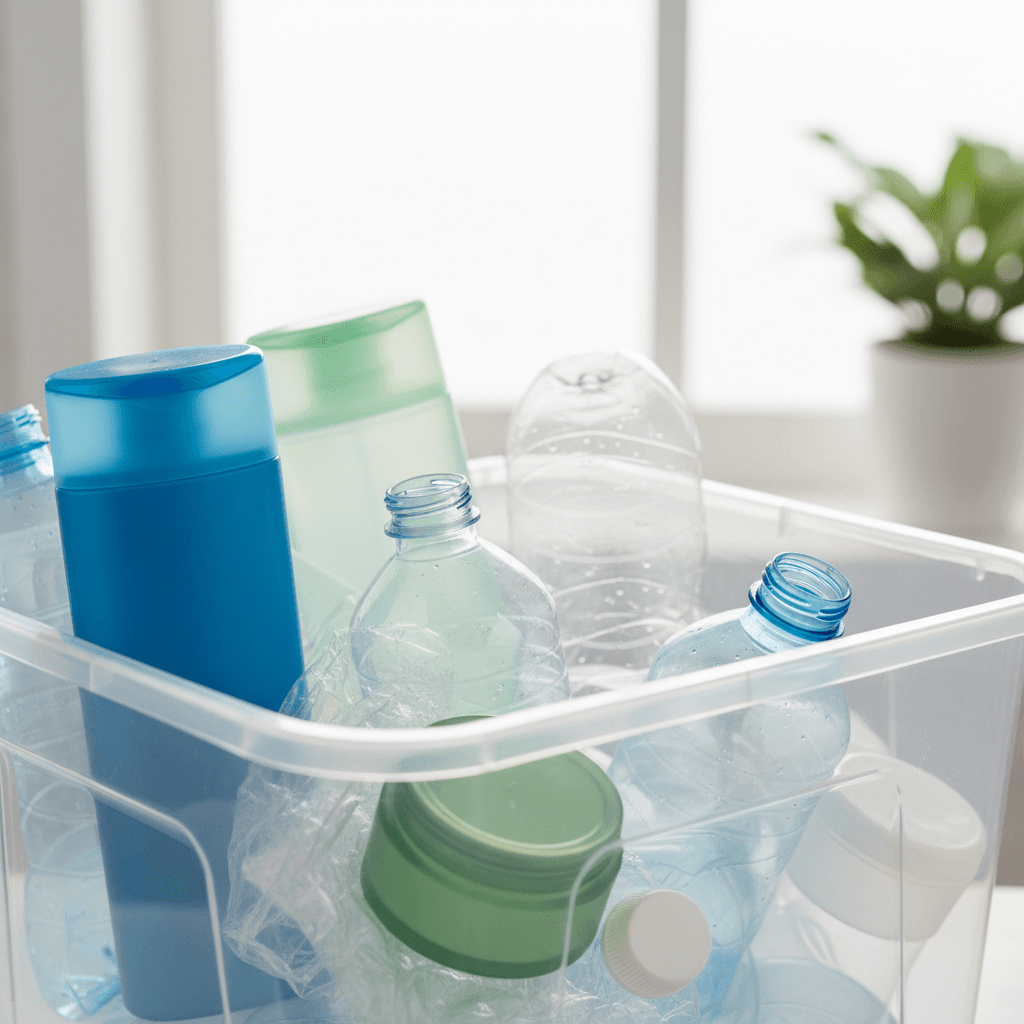
Homeowners can improve local waste management by avoiding common recycling mistakes such as tossing in greasy takeout boxes or unwashed plastic jars. To effectively reduce recycling contamination, residents must ensure all items are empty, dry, and free of food residue; additionally, plastic films and soft packaging should never be placed in curbside bins.
Most Box Elder County homeowners want to do the right thing for our local environment. You carefully sort your bins every week; however, good intentions often lead to costly mistakes that compromise the entire stream. When a single greasy pizza box or a plastic grocery bag enters the system, it can render an entire load of material unrecyclable. At Jolley Recycling, we see these common errors daily. Understanding these nuances is no longer just a suggestion. With stricter state regulations approaching in 2026, mastering the mechanics of home sorting is essential for maintaining efficient waste management in Northern Utah. This guide will walk you through the most frequent errors, from the dangers of wish-cycling to the proper handling of lids and food residue, providing a clear roadmap for building a more effective home recycling system.
Why Recycling Contamination Matters for Utah Homeowners
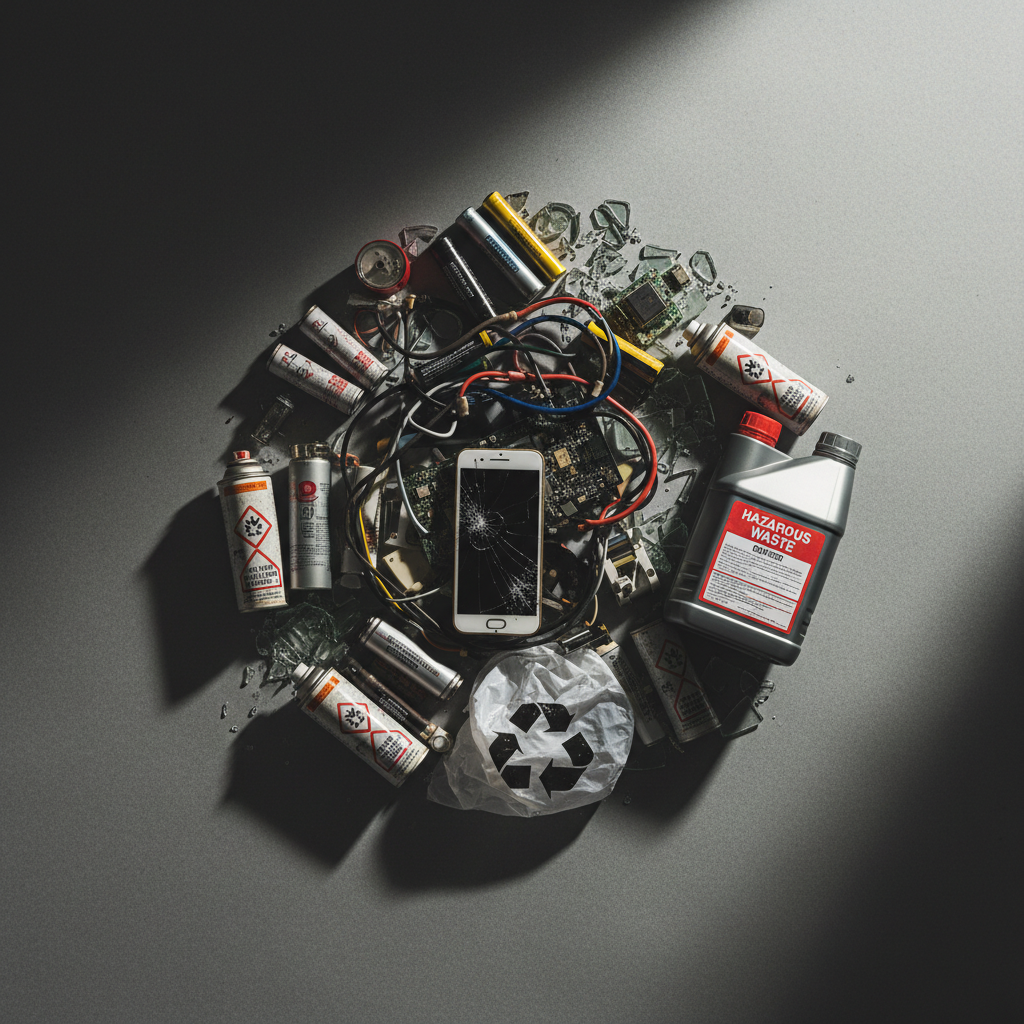
Recycling contamination occurs when non-recyclable materials enter the stream or when clean items are soiled by food and liquids. For processing facilities in Northern Utah, this is the primary obstacle to maintaining a sustainable system. A single unrinsed mayonnaise jar can break or leak during transport, saturating an entire bale of high-quality office paper or cardboard. Because paper fibers are graded on purity, that moisture or oil makes the material un-processable.
When contamination reaches these levels, entire loads are rejected by end-market manufacturers. This forces materials into landfills and results in significantly higher processing costs for our local municipalities and businesses. Unlike large, national waste haulers that often prioritize rapid volume over material quality, Jolley Recycling takes a hands-on approach to reliable recycling services. We utilize organized systems to ensure that the materials we recover meet industry standards. By focusing on the specifics of our local waste stream in Box Elder County, we help homeowners and contractors avoid common recycling mistakes that undermine local recycling programs. Understanding how to keep the stream clean ensures that our community's efforts actually result in environmental benefits rather than just added expenses.
The Danger of Wish-Cycling: Why Intentional Recycling Isn't Always Correct
Wish-cycling is the act of placing questionable items into a recycling bin with the hope that a facility will figure out how to process them. While motivated by a desire to be environmentally responsible, this practice is one of the most common recycling mistakes homeowners make. It stems from a psychological trap where throwing an item in the trash feels like a failure, so residents aspirationaly recycle it instead. In reality, this well intentioned habit often does more harm than good for the local waste stream.
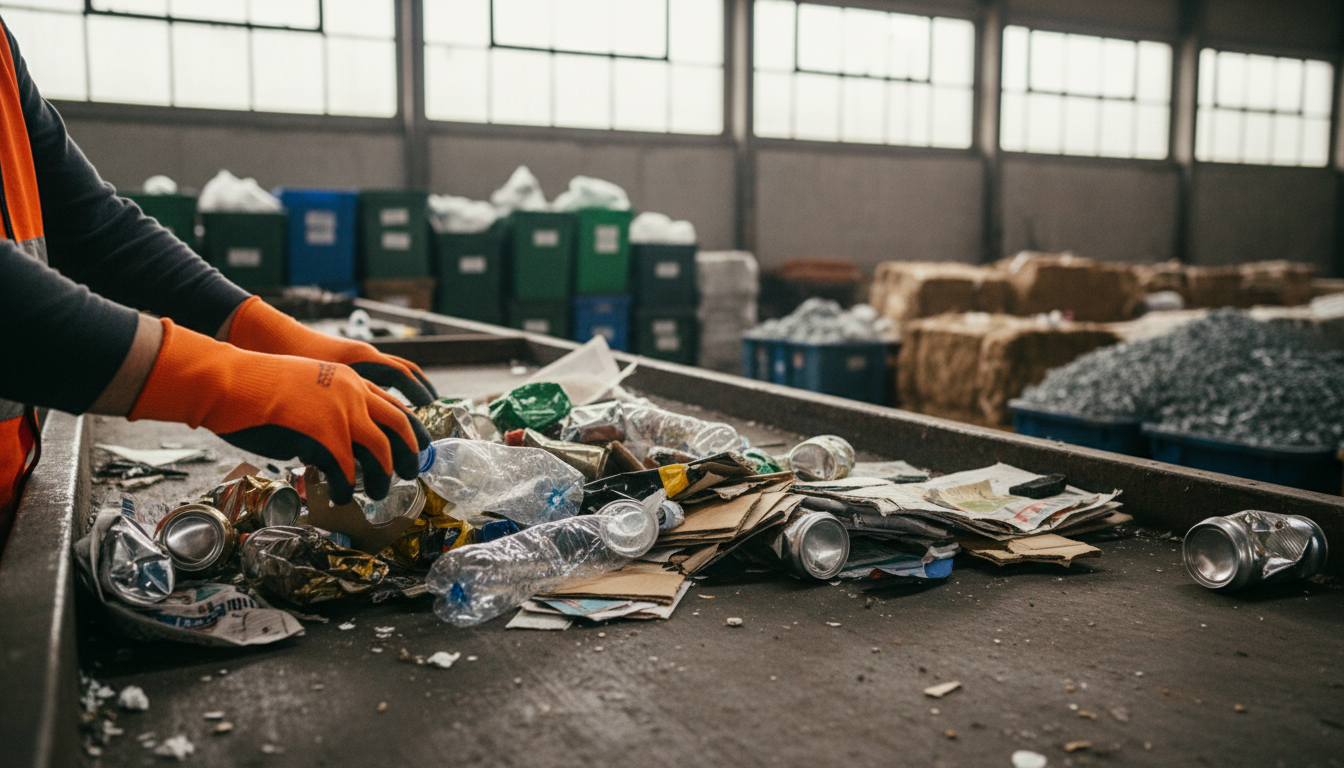
Residents often ask, "What happens if I put the wrong stuff in my recycling bin?" The consequences are both mechanical and hazardous. Sorting facilities rely on high speed belts, spinning discs, and optical sensors calibrated for specific materials like clean cardboard and aluminum. When non-recyclable items like garden hoses, strings of lights, or heavy scrap metal enter the system, they wrap around axles or jam gears. This causes expensive downtime and requires workers to manually cut debris out of machinery, which poses significant laceration and entanglement risks to the crew.
At Jolley Recycling, our focus is on providing reliable recycling services that actually result in reclaimed materials. For local recycling programs to remain viable in Box Elder County, purity is more important than volume. If you are uncertain whether an item is accepted, the most responsible choice is to place it in the trash. Protecting the equipment and the safety of the sorting team ensures the entire system continues to function for the community. If you have questions about specific materials for a one-time project, you should contact Jolley Recycling for professional guidance.
Mistake 1: Bagging Your Recyclables in Plastic Bags
One of the most frequent errors encountered in Box Elder County is the habit of bagging recyclables in plastic grocery or trash bags. While this might seem like a neat way to organize your bin, these bags are classified as tanglers at processing facilities. Modern sorting equipment relies on a series of spinning discs and screens to separate heavy containers from flat paper. Thin film plastics like shopping bags, bubble wrap, and zip-top bags behave like hair in a vacuum brush; they wrap tightly around axles and clog the screens. This forces the entire system to shut down for manual clearing, which increases operational costs and safety risks for workers.
To maintain reliable recycling services, the rule is simple: recyclables should be loose in the bin. If you use a bag to collect items in your kitchen, simply empty the contents into your outdoor container and reuse the bag or dispose of it properly. For residents looking to recycle plastic film, most local grocery stores provide dedicated drop-off bins designed specifically for these materials. Keeping bags out of your curbside bin is a critical step in supporting effective local recycling programs.
Mistake 2: Food Residue and the Greasy Pizza Box Dilemma
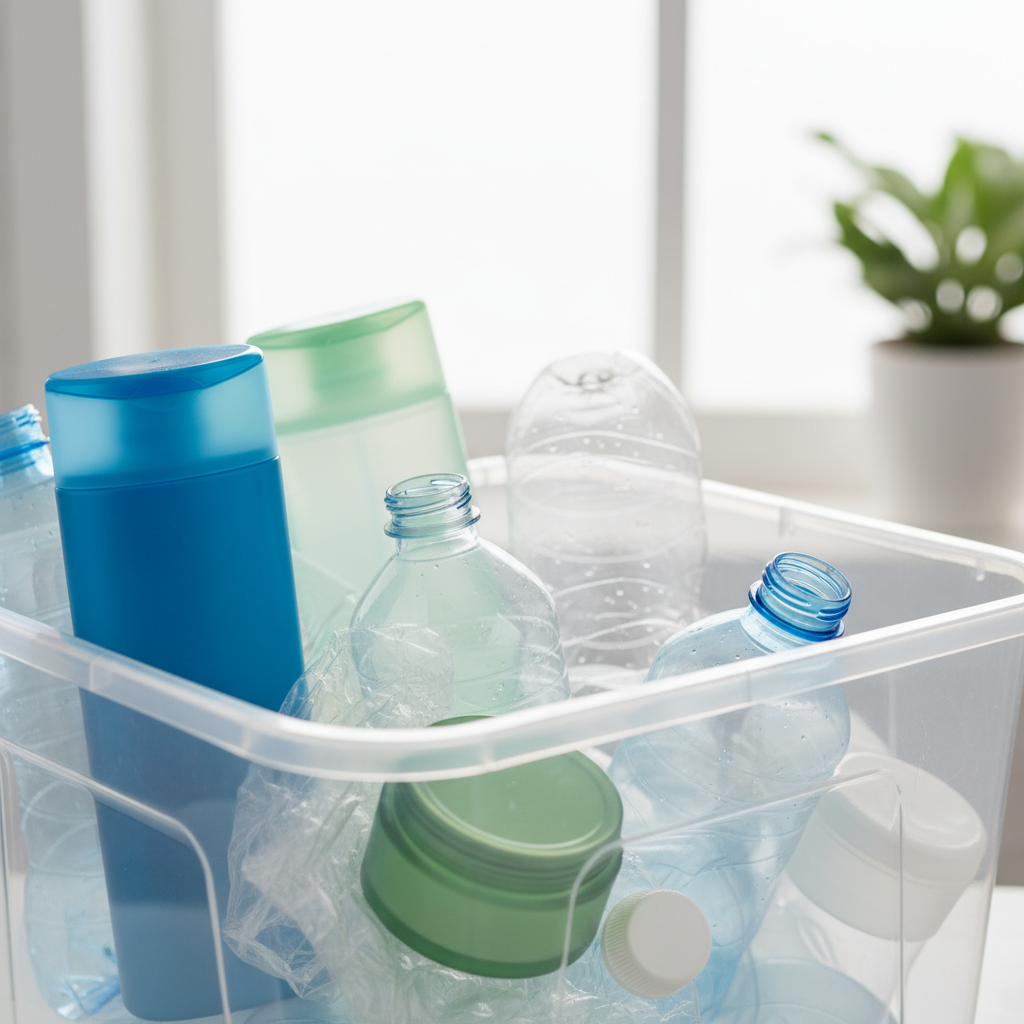
Beyond tanglers, food and liquid residue represent a significant hurdle for reliable recycling services in Northern Utah. The upcoming 2026 recycling standards emphasize a strict Empty, Clean, and Dry rule for all containers. This means any bottle or jar with leftover soda, yogurt, or peanut butter can ruin a whole batch of otherwise clean materials. When moisture or organic matter enters a bale of paper or plastic, it can lead to mold and odors that make the entire load unmarketable.
The most iconic example of this issue is the greasy pizza box. While corrugated cardboard is a highly valuable material, pizza grease and cheese residue are detrimental to the recycling process. Oil from the food permeates the cardboard fibers. During the pulping process at a facility, these oils cannot be separated from the fiber, which creates spots or structural weaknesses in the recycled paper products.
To support local recycling programs, you must be surgical with your disposal. If the lid of your pizza box is clean and free of grease splatters, tear it off and place it in the recycling bin. The greasy bottom section must be discarded in the trash. By taking this small step, you avoid one of the most common recycling mistakes that leads to rejected loads. If you are managing a large event or a commercial site with high volumes of waste, you can contact Jolley Recycling to discuss efficient material recovery strategies.
Mistake 3: Keeping Lids and Small Items Loose
Items smaller than two inches, such as loose bottle caps, plastic straws, and bread ties, present a significant mechanical challenge for processing facilities. These tiny objects typically fall through the gaps in the sorting screens and discs used in Northern Utah. Instead of being reclaimed, they end up as residue on the facility floor or contaminate the glass stream, where they are impossible to recover.
To handle plastic bottle caps correctly, empty the container, crush it to save space, and screw the cap back on tightly. This ensures the cap stays attached to a larger, detectable item during the mechanical sorting process. If the cap cannot be secured, it should be discarded in the trash. Similarly, loose shredded paper is one of the common recycling mistakes that disrupts local recycling programs. Because it is too small to be captured by standard equipment, it acts like confetti, clogging machinery or blowing into other material bales. Residents should check specific Box Elder County guidelines; often, shredded paper must be taken to specialized processors to ensure reliable recycling services remain efficient and cost-effective.
Recycling Challenges in Rural and Residential Northern Utah
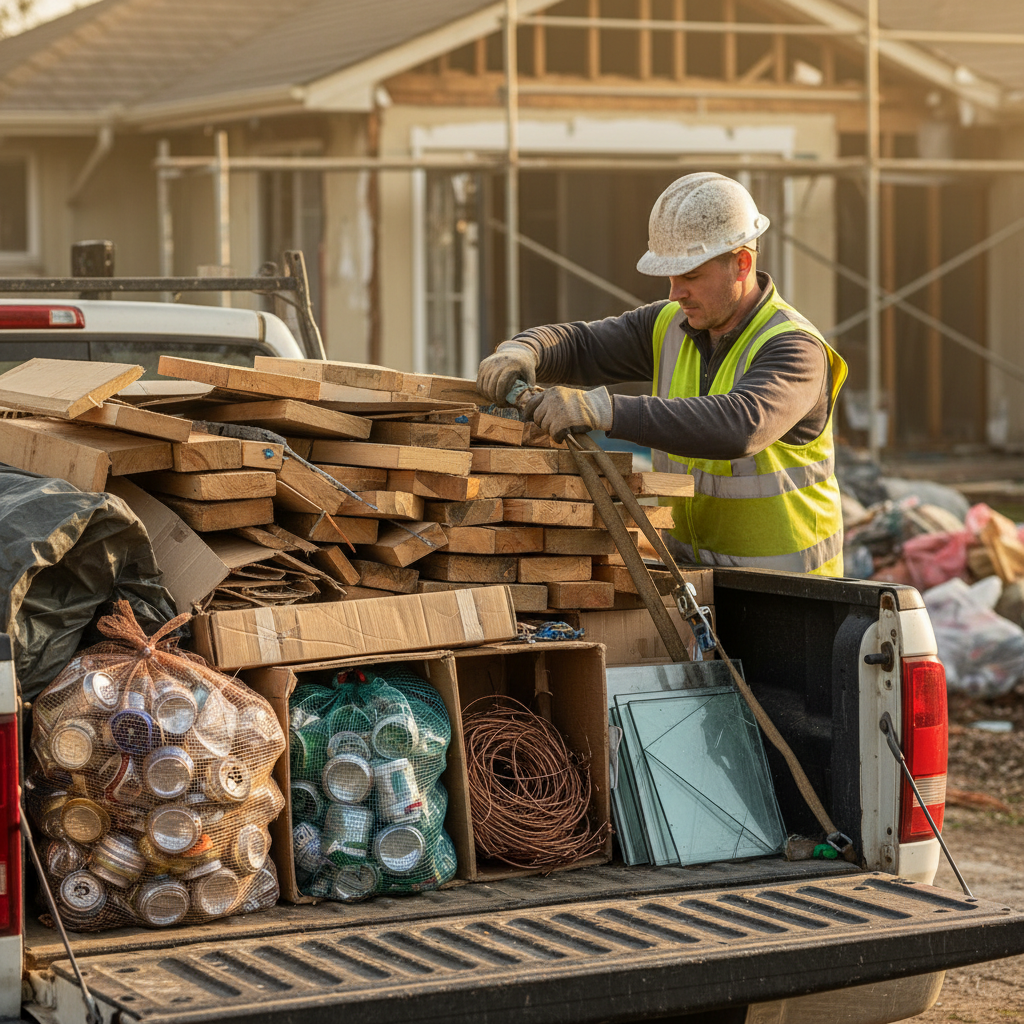
The mechanical issues caused by small items and debris are amplified by the unique geography of Northern Utah. In rural sections of Box Elder County, the logistics of waste management differ significantly from denser urban centers. Longer transport distances mean that every load of recyclables represents a substantial investment in fuel and labor. When a truck arrives at a facility with a load full of common recycling mistakes, the cost of that contamination is doubled because the material must then be hauled again to a landfill. In these settings, high purity rates are the only way to keep programs economically sustainable.
Jolley Recycling addresses these challenges by providing localized, hands-on oversight that large national haulers cannot match. We support local recycling programs by ensuring that the materials collected are actually viable for market. For residents managing one-time material recovery projects, such as home renovations or property cleanups, we offer reliable recycling services designed to sort and process bulkier materials efficiently. Contractors and homeowners alike benefit from this targeted approach, which prevents specialized waste from clogging residential systems. To learn more about how to manage specific debris or large-scale projects, you can contact Jolley Recycling for expert advice on keeping your material stream clean and compliant.
Preparing for 2026: New Recycling Contamination Rules
The year 2026 marks a significant shift in regional waste management as new recycling contamination rules take effect. These regulations mandate significantly higher purity rates in collected materials; often requiring impurity levels to stay below a strict 0.5% to 1% threshold. For residents of Northern Utah, this means that the margin for error is shrinking. A single non-recyclable item, such as a black plastic takeout container that optical sorters cannot detect, could soon lead to the rejection of an entire load.
Jolley Recycling is already preparing for these tighter standards by refining our reliable recycling services to handle cleaner streams. Homeowners can get ahead of these regulations today by adopting a more disciplined approach to sorting. Instead of guessing, focus on the "Empty, Clean, and Dry" protocol for every item. By eliminating food residue and non-recyclable plastics now, you ensure that local recycling programs remain viable as requirements tighten. If you are managing a large-scale project and need to ensure compliance with these evolving standards, you can contact Jolley Recycling for expert assistance.
How to Build a Better Home Recycling System
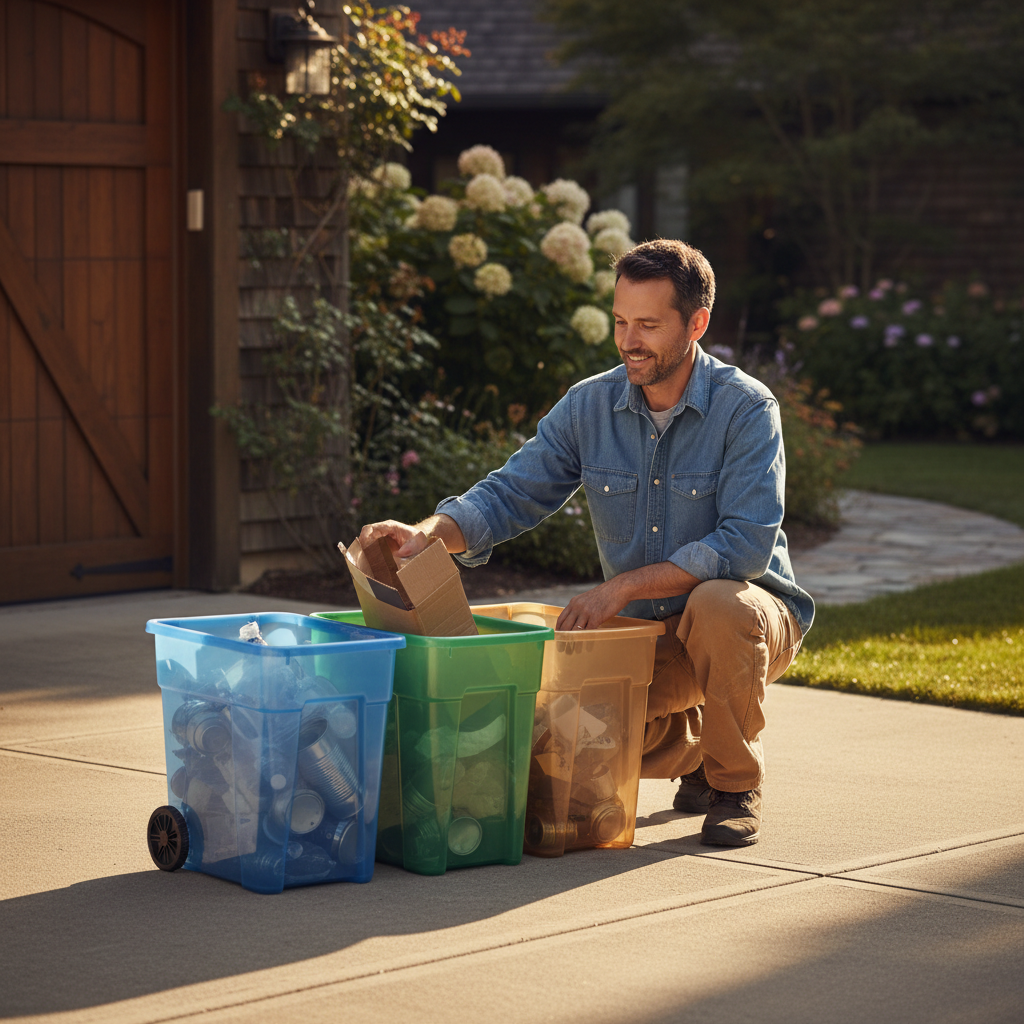
Adapting to stricter standards starts with a functional setup at the primary point of disposal. A major driver of common recycling mistakes is simple inconvenience. To combat this, place your recycling container directly adjacent to your trash bin. If a resident must walk to a different room or out to the garage to recycle, the likelihood of "lazy" contamination, where recyclables are tossed into the trash or non-recyclables are thrown into the blue bin out of haste, increases significantly.
Organizing a multi-bin system further helps maintain the purity required by local recycling programs. Using a color-coded station can simplify the process for everyone in the household:
Blue Bin: Plastics and aluminum (strictly empty, clean, and dry).
Green Bin: Clean paper and corrugated cardboard (flattened).
Yellow or Clear Bin: Glass bottles and jars (check your specific municipality for glass acceptance).
For residential renovations, basement cleanouts, or large landscaping projects, a standard home station is usually insufficient. These projects generate high volumes of mixed debris that can quickly overwhelm curbside systems. In these scenarios, a dedicated material recovery service is far more efficient. Jolley Recycling provides reliable recycling services for bulk materials, ensuring that construction debris or large-scale waste is sorted and processed correctly. If you are planning a significant home improvement project, you should contact Jolley Recycling to discuss specialized container options that keep your daily home system from becoming clogged with industrial materials.
Frequently Asked Questions About Household Recycling
Navigating the nuances of local recycling programs often leads to specific questions about what truly happens after the bin is picked up. To avoid common recycling mistakes, homeowners should be aware of three items that frequently cause issues but are not accepted in curbside bins: Styrofoam, garden hoses, and treated wood. Styrofoam is largely composed of air and breaks into micro-plastics that ruin clean material streams. Garden hoses are notorious tanglers that wrap around moving parts and shut down sorting lines, while treated wood contains chemicals and adhesives that prevent it from being processed alongside standard paper or cardboard fibers.
Residents also frequently ask what counts as contaminated recycling. In the processing industry, contamination is defined by the purity of the final material bale. Many modern facilities now aim for a strict 0.5% to 1% impurity threshold. This means if just one percent of a plastic or paper bale consists of food waste, unwashed jars, or incorrect plastic types, the entire load may be rejected by manufacturers. Achieving this level of cleanliness is why reliable recycling services emphasize the Empty, Clean, and Dry rule. For those managing complex debris or specialized materials from home projects, you can contact Jolley Recycling to ensure your waste is handled correctly rather than risking the integrity of the residential stream.