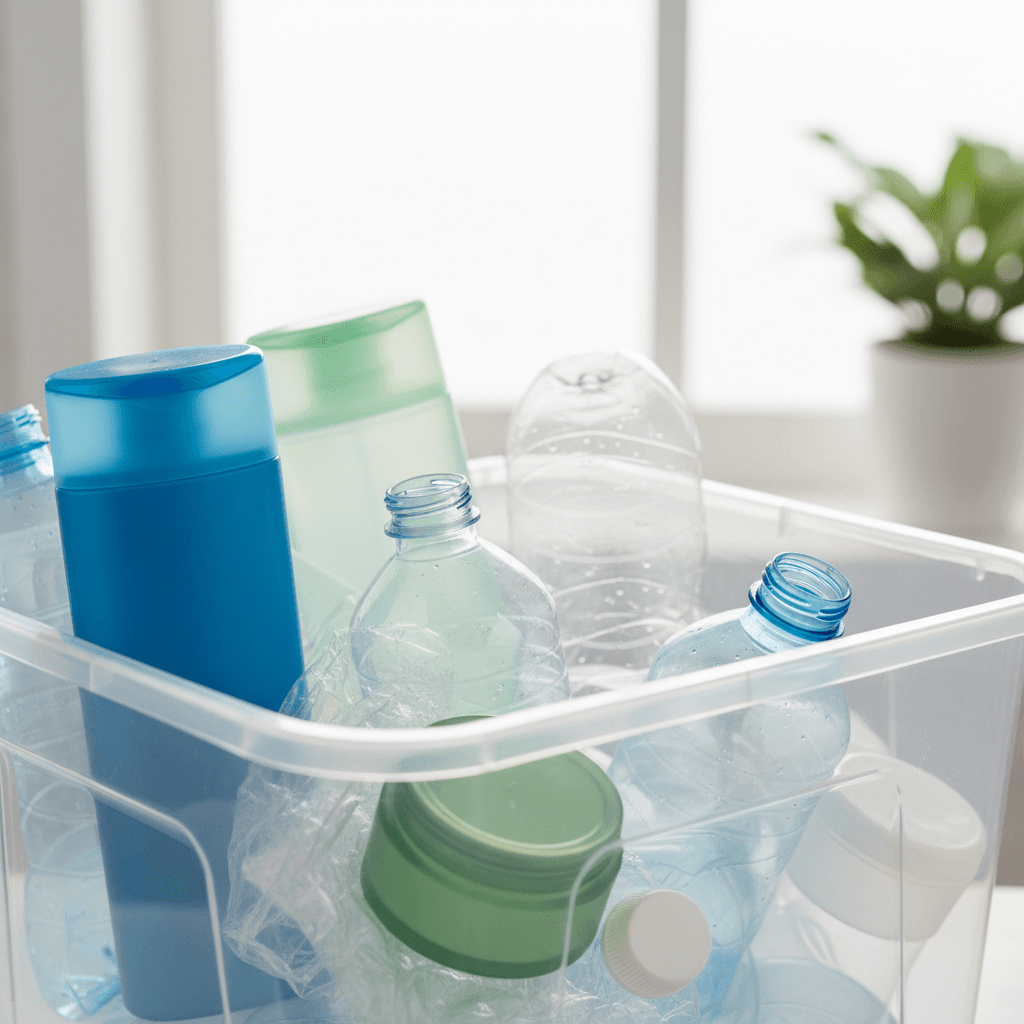
Residents can recycle paper, cardboard, metal cans, and plastic bottles or tubs in curbside blue bins every other week. Proper Box Elder County recycling guidelines require that all containers be empty, clean, and dry; hazardous materials and food waste must be kept out of the recycling stream to avoid contamination.
Standing in front of your blue bin with a handful of mixed waste often leads to more questions than answers. In Box Elder County, the uncertainty of what qualifies as recyclable can lead to "wish-cycling," which inadvertently introduces contaminants into the local waste stream. At Jolley Recycling, we understand that effective waste management requires more than just good intentions; it requires precision and localized knowledge. Proper sorting is essential to maintain our equipment and ensure that materials are processed correctly for a cleaner Utah. In this comprehensive guide, we provide practical expertise on identifying accepted materials, understanding the importance of plastic numbers, and avoiding common safety hazards. You will learn how to streamline your recycling habits, manage large scale business projects, and navigate the specific guidelines that keep our county running efficiently.
Understanding the Box Elder County Recycling System
Recycling in Box Elder County follows a structured system managed through a mix of municipal partnerships and private industrial processing. For residents in Brigham City, the primary method for waste diversion is a partnership with a regional hauler providing curbside collection. These blue bins are picked up on a bi-weekly schedule, specifically designed to handle standard household volumes of paper, metal, and certain plastics. While this system works well for residential neighborhoods, it often lacks the capacity required for construction sites, industrial facilities, or large scale cleanouts.
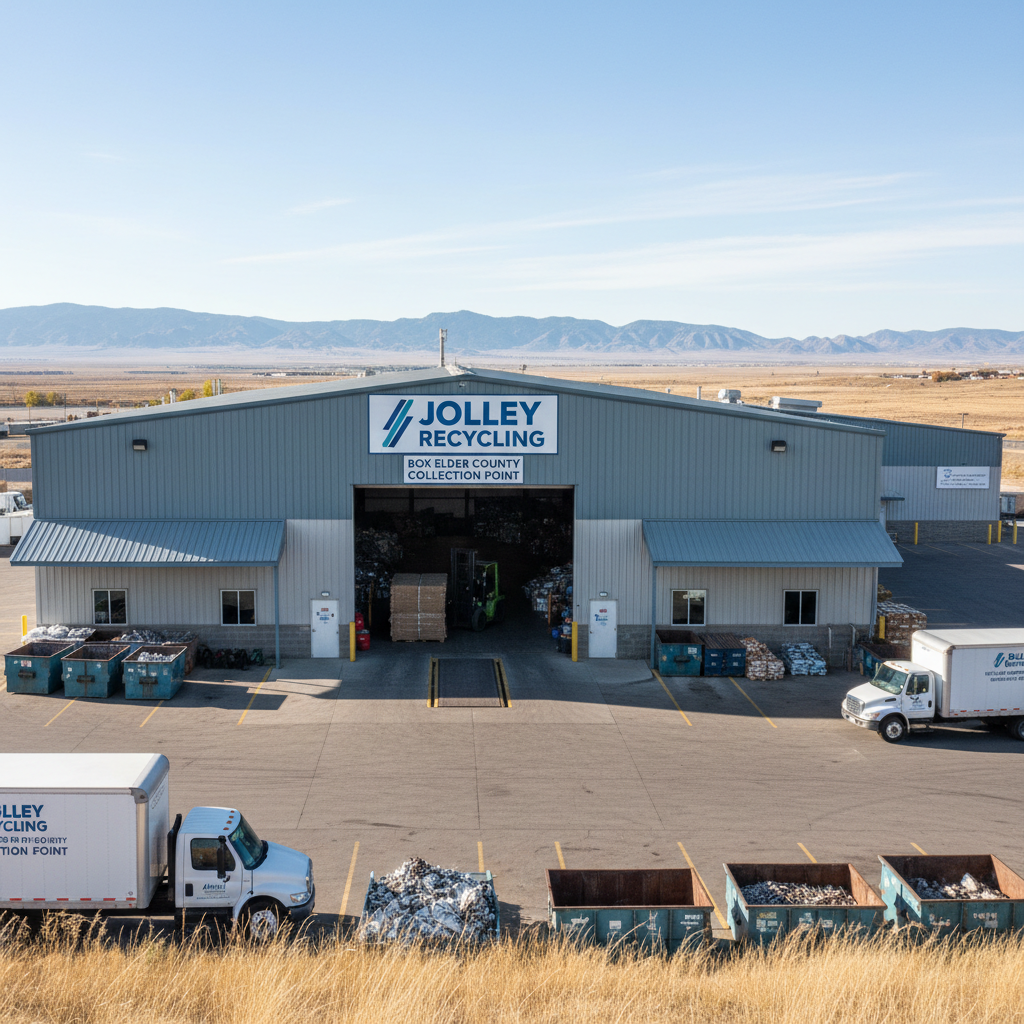
While the county utilizes the Three Mile Landfill for general waste and the Watery Lane Compost and Recycling Facility for bulk cardboard and metal drop-offs, professional operations often require more specialized logistics. Local processors like Jolley Recycling bridge the gap between municipal residential routes and heavy duty material recovery. We provide reliable recycling services that go beyond the volume limitations of a standard blue bin. For contractors or property managers dealing with significant debris, adhering to Box Elder County recycling guidelines means understanding when curbside services end and industrial grade sorting begins. This is particularly true for one-time material recovery projects where volume and material purity are critical. Navigating these local resources effectively ensures that materials are actually diverted from the landfill and successfully returned to the manufacturing stream.
Accepted Materials: What Goes in Your Blue Bin
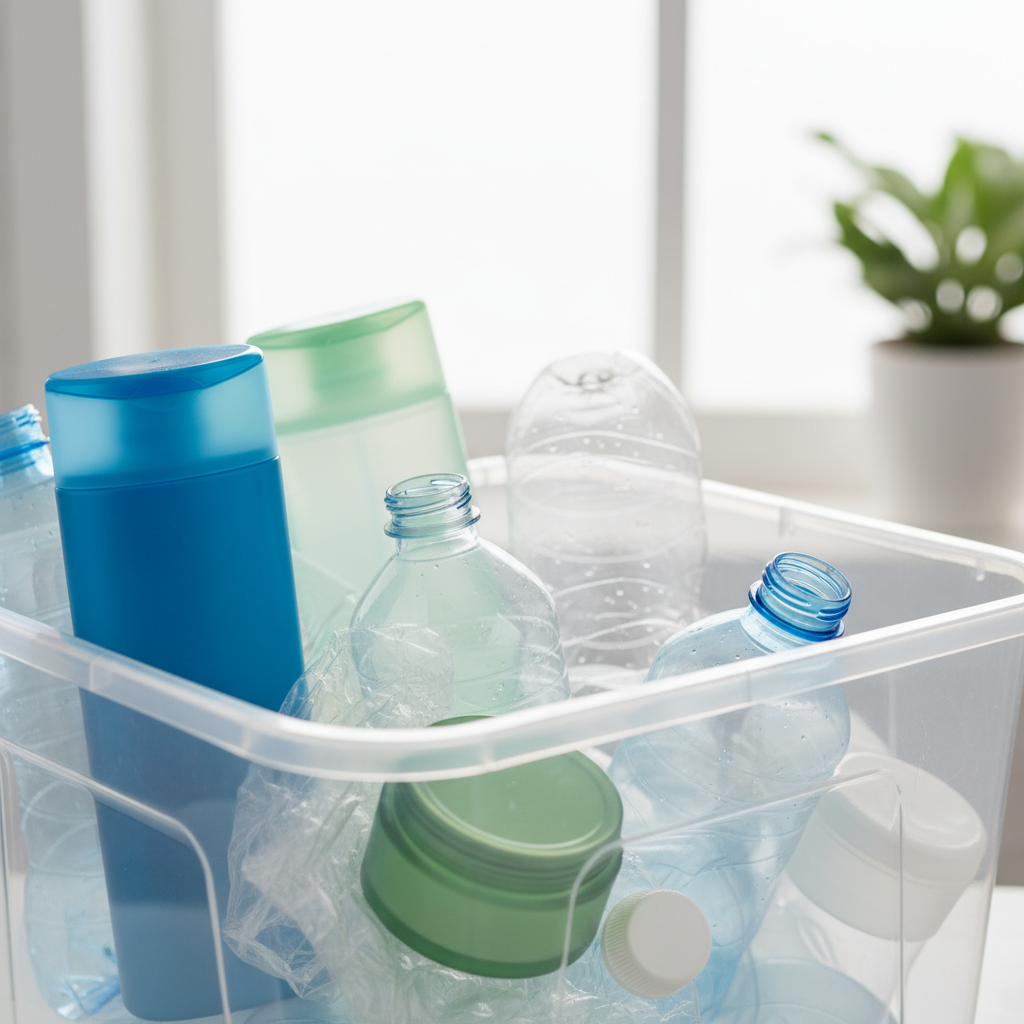
Maximizing the efficiency of the local waste stream starts with a clear understanding of which materials actually belong in the blue bin. Following the Box Elder County recycling guidelines ensures that your efforts result in actual material recovery rather than contamination. The residential program is managed to capture high value commodities that can be sorted and baled for industrial reuse, but this only works if the input remains consistent.
Fiber products are a primary component of the recycling stream. You should include clean newspapers, magazines, catalogs, and paperboard boxes like those used for cereal or crackers. Corrugated cardboard is highly valuable but must be flattened before being placed in the bin. This prevents the bin from reaching capacity prematurely and ensures the sorting equipment can process the material correctly. While you do not need to worry about removing metal staples or standard tape, you must remove any plastic liners, bubble wrap, or film windows from the packaging before disposal.
Local processing systems are optimized for specific resins that have stable end markets. Stick exclusively to plastics labeled with the #1 (PET) and #2 (HDPE) symbols, which are usually found on the bottom of containers. These typically take the form of water and soda bottles, milk jugs, laundry detergent containers, and shampoo bottles. Focusing on these two categories ensures that the plastic collected in Box Elder County can be efficiently transformed into new consumer goods without being rejected during the sorting process.
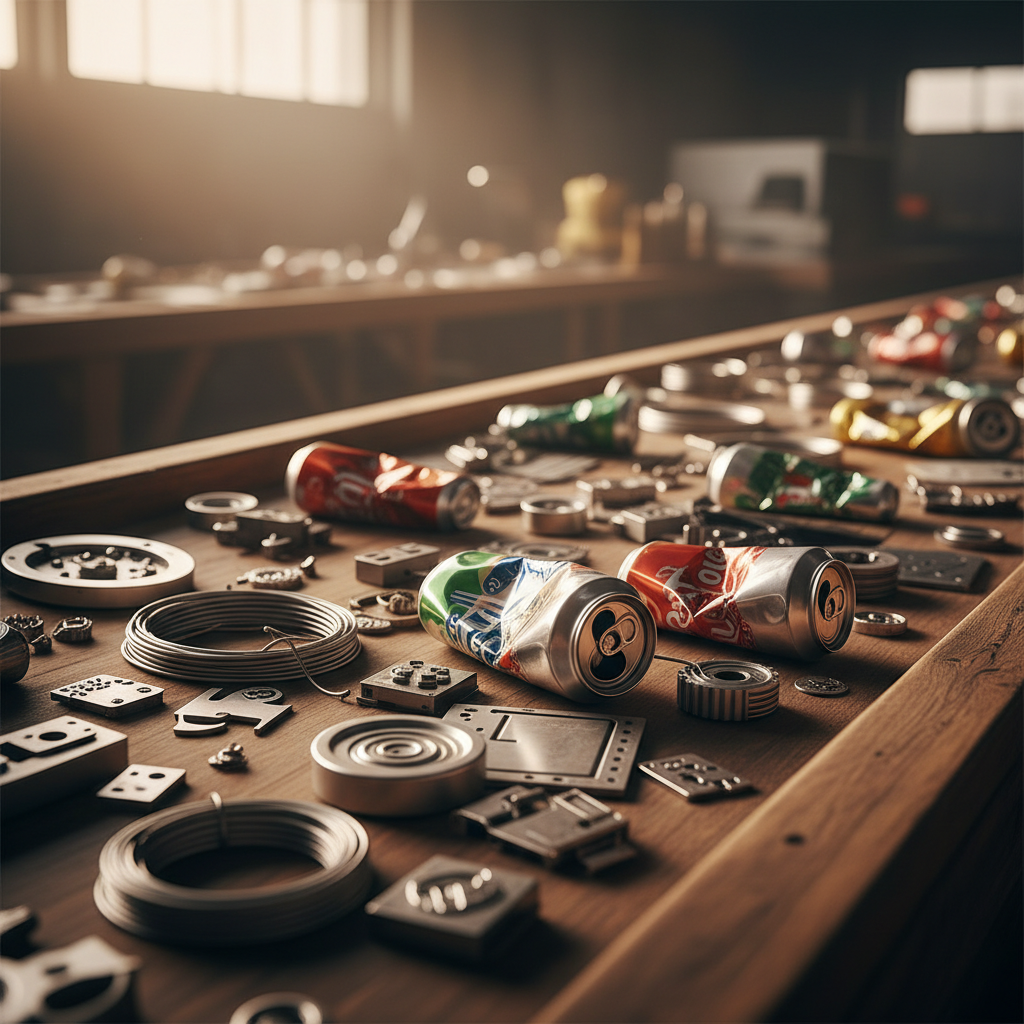
Metal containers are also highly sought after because they can be recycled indefinitely without losing quality. Focus on aluminum beverage cans and steel or tin food cans. For any of these materials to be recovered through our reliable recycling services, they must be free of contaminants. This means every container must be empty, clean, and dry. Even a small amount of leftover soda or soup can soak into a bale of cardboard, rendering the paper fibers unmarketable and forcing the entire load into the landfill. For businesses managing one-time material recovery projects, maintaining this level of material purity is the most effective way to ensure a successful and environmentally responsible pickup.
Recycling Plastics #1 and #2: Why the Numbers Matter
The numbering system found on plastic containers often causes confusion, but adhering to the specific resin codes listed in the Box Elder County recycling guidelines is vital for a successful recovery process. Local systems focus almost exclusively on plastics #1 (Polyethylene Terephthalate) and #2 (High-Density Polyethylene). These two resins are the only types with consistent, reliable end-markets in our region. When a soda bottle or milk jug is processed, there is a buyer ready to turn that material into new packaging or industrial goods.
Plastics numbered 3 through 7, including PVC and polystyrene, are excluded because they are difficult to sort mechanically and lack the economic demand needed for sustainable processing. Mixing these lower-value materials into your bin can lead to entire loads being downgraded or rejected. To verify if a container is acceptable, look for the chasing arrows triangle symbol located on the bottom of the packaging. By sticking to these high-value resins, Jolley Recycling helps ensure that both residential efforts and one-time material recovery projects effectively divert waste from the landfill. Our reliable recycling services prioritize these specific materials to maintain a clean, marketable stream that supports local environmental goals.
Prohibited Items: What to Keep Out of the Recycling Stream
While focusing on high value resins is the first step toward better waste diversion, knowing what to exclude is just as critical for maintaining a clean stream. Certain items are frequently placed in bins out of a desire to be helpful, but they actually cause mechanical failures at sorting facilities or contaminate entire loads. Adhering to Box Elder County recycling guidelines means keeping these prohibited items out of your blue bin to ensure the system remains efficient.
Plastic film and grocery bags are the primary offenders. These materials are too thin and flexible for mechanical sorters; instead of being processed, they wrap around spinning gears and conveyor belts, forcing facility shutdowns for manual removal. Similarly, Styrofoam and expanded polystyrene must be excluded. Despite often displaying a recycling symbol, these materials are composed mostly of air and lack a local market for residential recovery.
Other common items that disrupt the sorting process include: - Shredded paper: The small fragments fall through sorting screens and contaminate other material streams like glass or metal. - Waxy or glossy papers: Items like frozen food boxes, milk cartons, or plastic-lined mailers contain coatings that cannot be separated during the pulping process. - Soda cups, lids, and straws: Most paper cups are lined with a thin plastic film to prevent leaking, which makes them trash. Lids and straws are also too small or made of low-grade plastics that do not meet processing standards.
Glass remains a significant point of confusion. In Brigham City and surrounding areas, glass is strictly prohibited from curbside bins. Because glass shatters easily, the shards embed themselves into cardboard and paper, rendering those materials unmarketable. If you need to recycle glass, it must be taken to dedicated drop-off sites or managed through specialized recovery. For managers of large facilities or one-time material recovery projects, keeping these contaminants out of high-volume containers is essential for maintaining the value of the collected scrap. If you have questions about specific industrial materials, you can contact Jolley Recycling to discuss reliable recycling services tailored to your site's specific needs.
Dangerous Contaminants and Safety Hazards
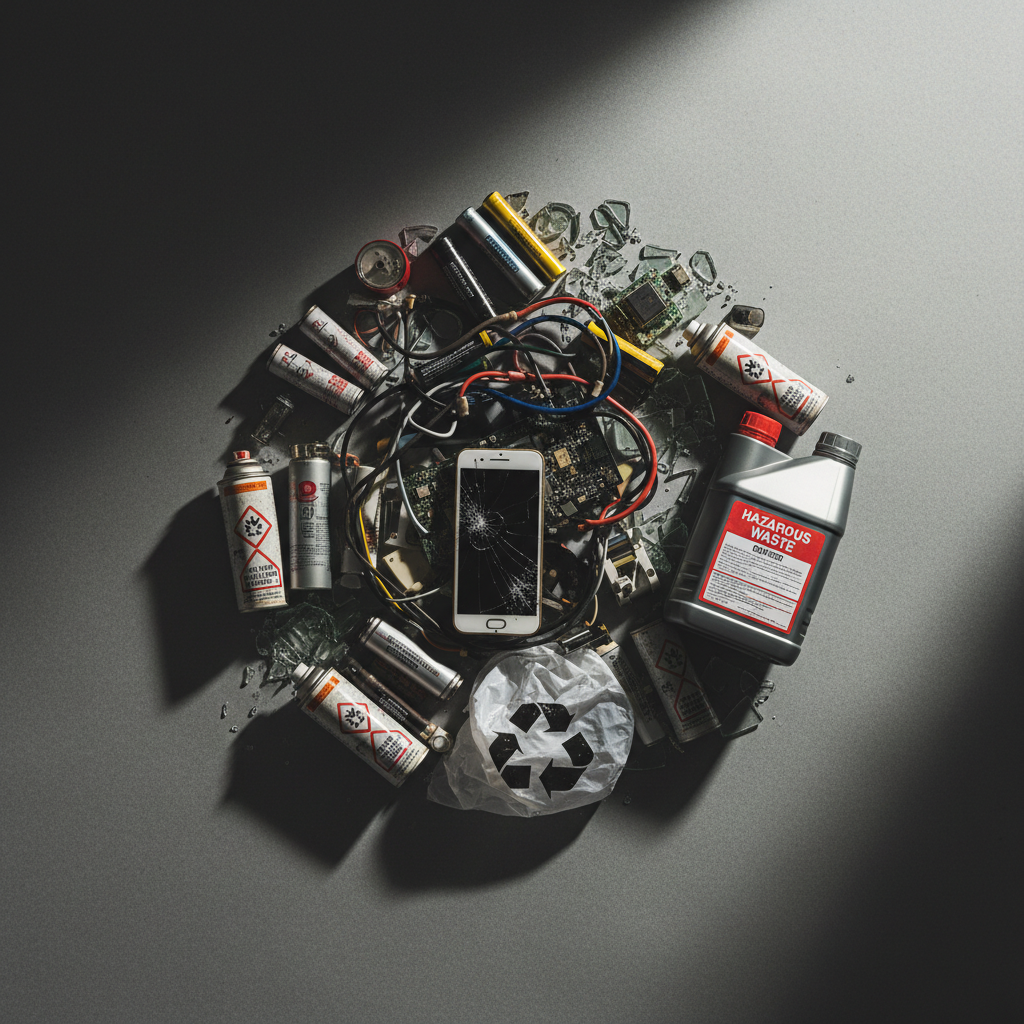
Beyond sorting efficiency, certain materials pose immediate physical threats to collection crews and processing equipment. Batteries, particularly lithium-ion varieties found in power tools, laptops, and cordless electronics, are a leading cause of fires in recycling trucks and facilities. These batteries should never enter a standard bin because the compaction process can puncture them, leading to high-intensity chemical fires that are difficult to extinguish.
Chemical contaminants like pesticides, automotive fluids, and oil-based paints are also strictly prohibited under Box Elder County recycling guidelines. These substances are toxic to workers and can ruin entire batches of otherwise clean material. For these items, the Box Elder County Landfill at Three Mile provides specific protocols for household hazardous waste (HHW) disposal. Electronics, which often contain heavy metals and internal batteries, also require specialized handling rather than curbside disposal. If you are managing one-time material recovery projects involving industrial electronics or hazardous debris, it is essential to segregate these items at the source. Jolley Recycling focuses on reliable recycling services that maintain safety and compliance throughout every stage of the recovery process.
Common Recycling Mistakes Utah Homeowners Make
Even with the best intentions, many homeowners inadvertently compromise the waste stream through a practice known as wish-cycling. This occurs when you place an item in the blue bin hoping it can be recycled, even if it is not on the approved list. While the desire to reduce waste is commendable, wish-cycling often causes more harm than good by introducing contaminants that can disqualify an entire load of material.
One of the most frequent errors is leaving liquids in containers. A half-full soda bottle or a sticky smoothie cup can easily leak onto surrounding paper and cardboard. Once fiber products are soaked in sugar or oils, they become impossible to process into new material. This single mistake can ruin a high-value bale of paper, turning a successful recovery effort into landfill waste. Similarly, pizza boxes are only recyclable if they are clean. If the bottom of the box is saturated with grease or stuck-on cheese, that portion must be placed in the trash. You can often tear off the clean lid for recycling while disposing of the soiled bottom.
Another common mistake is bagging recyclables in plastic trash bags. In sorting facilities, bags are often treated as a safety hazard or a source of contamination. Staff members do not have the time to manually open every bag; consequently, bagged items are frequently diverted directly to the landfill. To adhere to Box Elder County recycling guidelines, items should always be placed loose in the bin. Ensuring your materials are empty, clean, dry, and loose is the most effective way to support reliable recycling services and successful one-time material recovery projects in our community.
Recycling Solutions for Businesses and Large Projects
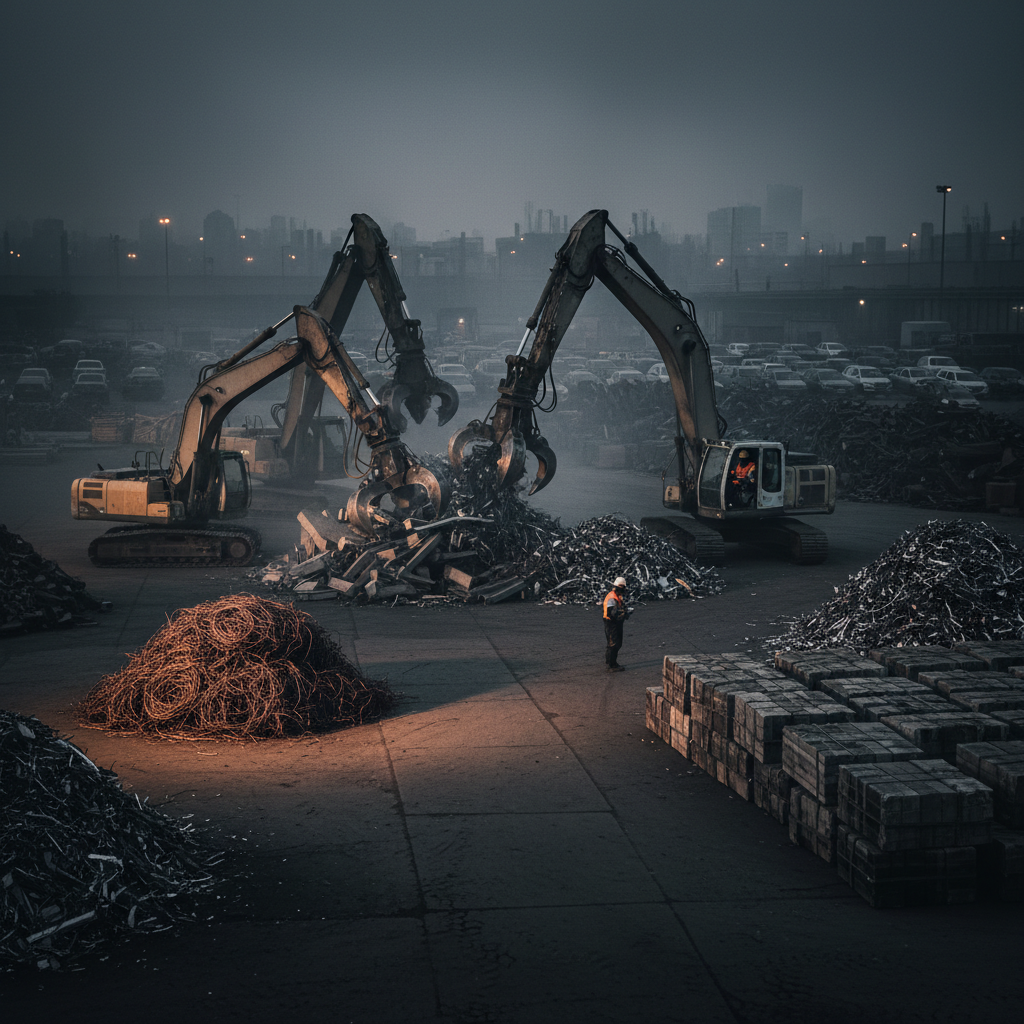
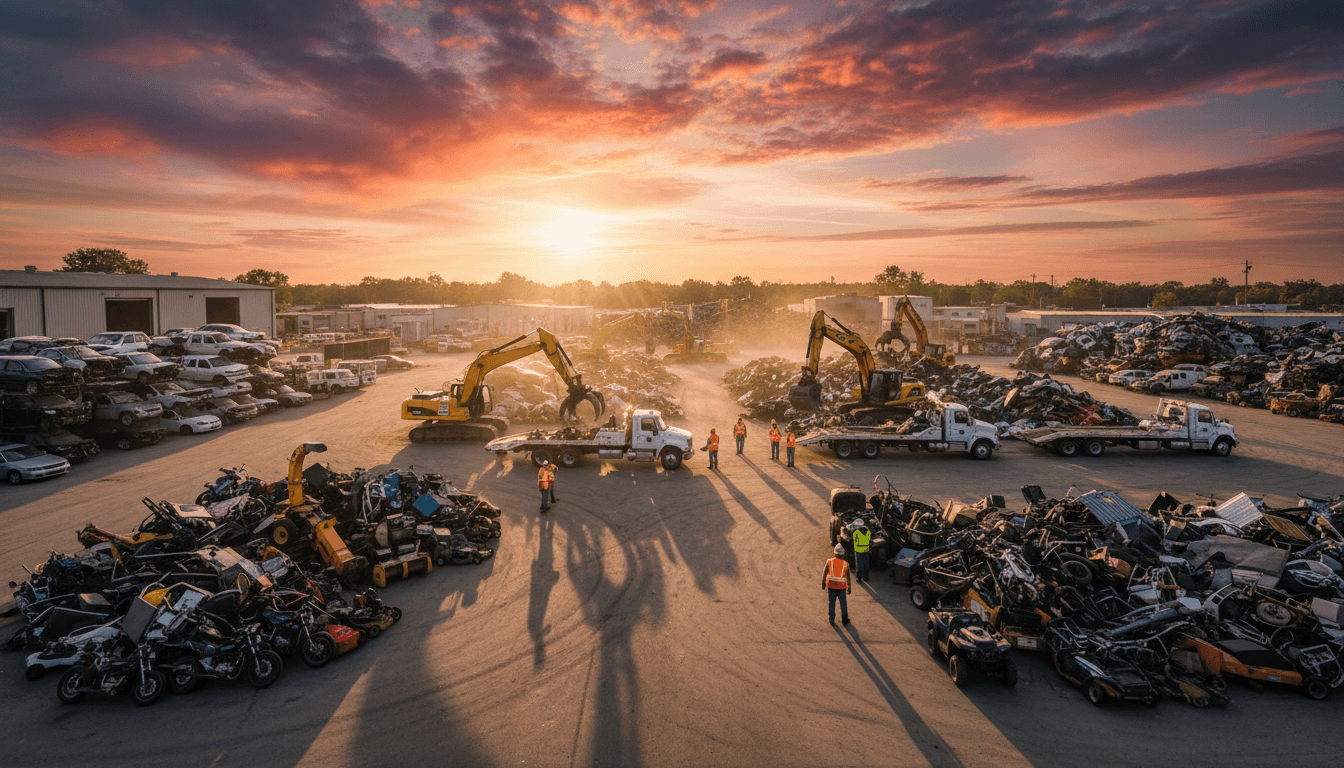
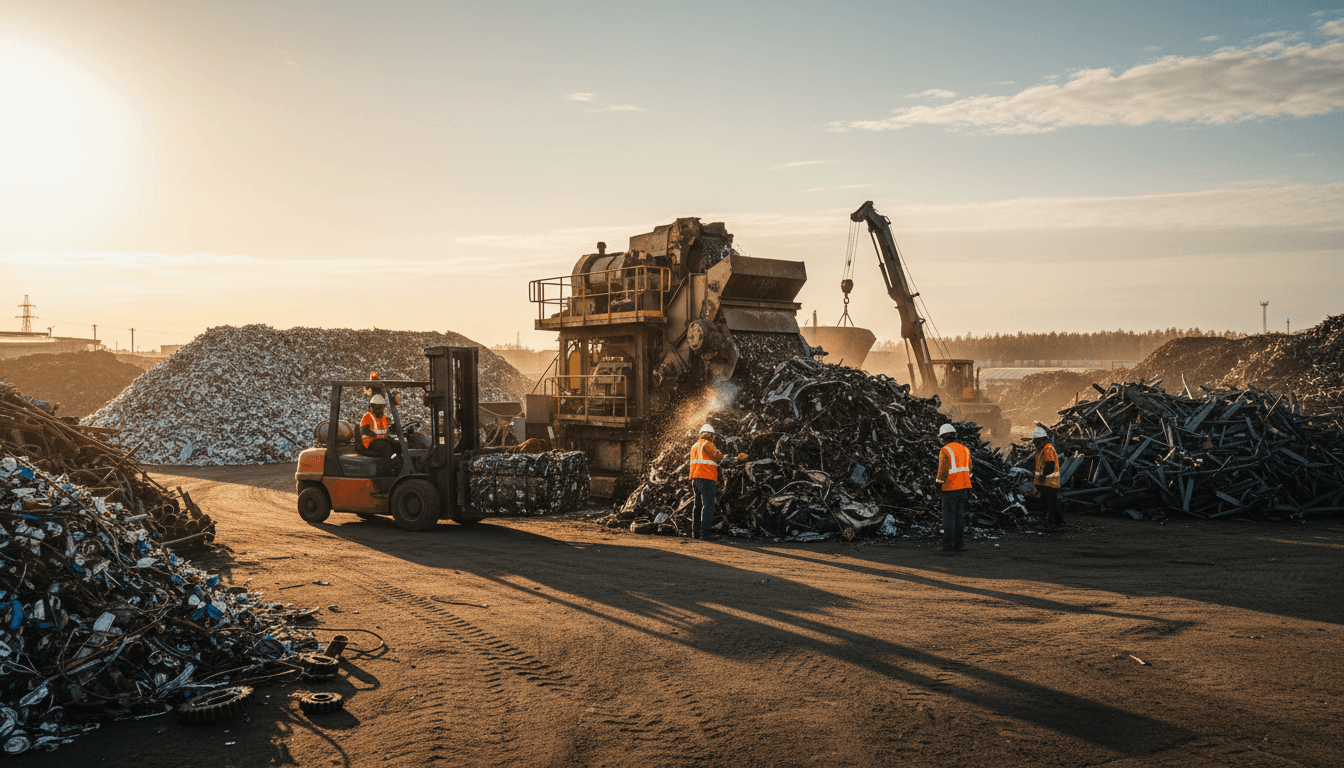
While residential efforts focus on keeping the blue bin clean, commercial and industrial operations in Box Elder County face a different set of challenges. A single-family home may generate a few pounds of paper and plastic a week, but a construction site or manufacturing facility can produce several tons of scrap metal, corrugated cardboard, and industrial film in a single shift. Standard municipal routes are not equipped to handle these volumes or the heavy duty logistics required to transport and sort such massive quantities of material.
Businesses and contractors must look beyond standard residential Box Elder County recycling guidelines to implement more robust, scalable systems. Jolley Recycling specializes in reliable recycling services tailored to high volume producers. We frequently manage one-time material recovery projects such as warehouse cleanouts, industrial site closures, and construction debris removal. Our approach is hands-on and local; we ensure that large quantities of baled cardboard or scrap aluminum are processed efficiently without the constraints of a bi-weekly pickup schedule. We work directly with facility managers to identify the most effective sorting methods for their specific waste streams. If your project produces significant quantities of metal, bulk packaging, or industrial plastics, you can contact Jolley Recycling to coordinate a customized recovery plan that keeps your job site organized and compliant.
Box Elder County Recycling FAQs
Clear answers to common logistical questions help residents and businesses adhere to Box Elder County recycling guidelines while maintaining an efficient waste stream.
Where can I drop off glass near Brigham City? Glass is strictly prohibited from curbside blue bins. Because glass breaks easily during transit, the shards embed themselves into paper and cardboard, making those materials unmarketable. Residents should take glass bottles and jars to the dedicated drop-off bins at the Box Elder County Landfill or check for local municipal drop-off sites that specifically collect glass for separate processing.
Can I recycle shredded paper? No. Shredded paper is too small for the mechanical sorting screens used in regional facilities. These tiny fragments fall through the machinery and contaminate other material streams. Always place shredded paper in your regular trash or use it for home composting.
How do I handle bulk cardboard? Residential quantities that exceed bin capacity can be taken to the Watery Lane Compost and Recycling Facility at 820 N. Watery Lane in Brigham City. For businesses or one-time material recovery projects involving large volumes of flattened corrugated boxes, contact Jolley Recycling to coordinate reliable recycling services tailored to your specific volume and logistics needs.
What is the schedule for blue bin pickup? Curbside recycling is collected bi-weekly on your standard garbage day. Cans must be placed on the street by 6:00 a.m. with the handle facing the house. To ensure successful collection, place the container at least six feet away from vehicles, mailboxes, or other obstacles.
Understanding the specific guidelines for Box Elder County is the first step toward a cleaner community. By knowing which materials belong in the bin and which should be kept out, you can prevent contamination and ensure your efforts truly make a difference. Recycling can feel complicated at times; however, it becomes much simpler when you have the right support. If you want expert help managing your waste more effectively, you can learn more about our mission and how we serve local residents. Together, we can build a more sustainable future for our county through smarter habits.